

A Manual for Writers of Research Papers, Theses, and Dissert
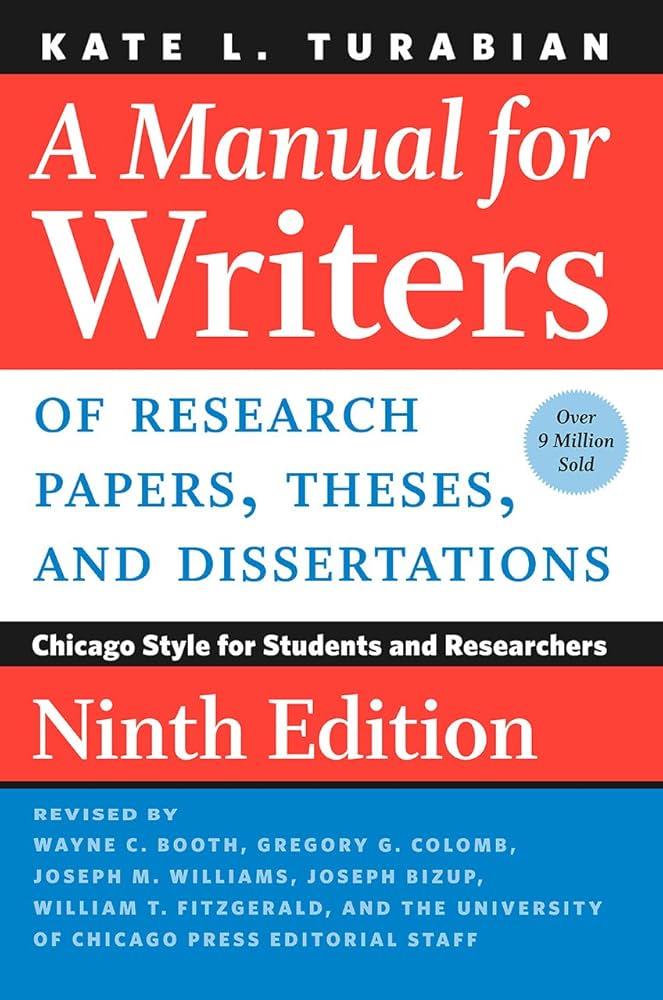


A Manual for Writers of Research Papers, Theses, and Dissert
EGP2,605.00
When Kate L. Turabian first put her famous guidelines to paper, she could hardly have imagined the world in which today’s students would be conducting research. Yet while the ways in which we research and compose papers may have changed, the fundamentals remain the same: writers need to have a strong research question, construct an evidence-based argument, cite their sources, and structure their work in a logical way. A Manual for Writers of Research Papers, Theses, and Dissertations—also known as “Turabian”—remains one of the most popular books for writers because of its timeless focus on achieving these goals. This new edition filters decades of expertise into modern standards. While previous editions incorporated digital forms of research and writing, this edition goes even further to build information literacy, recognizing that most students will be doing their work largely or entirely online and on screens. Chapters include updated advice on finding, evaluating, and citing a wide range of digital sources and also recognize the evolving use of software for citation management, graphics, and paper format and submission. The ninth edition is fully aligned with the recently released Chicago Manual of Style, 17th edition, as well as with the latest edition of The Craft of Research. Teachers and users of the previous editions will recognize the familiar three-part structure. Part 1 covers every step of the research and writing process, including drafting and revising. Part 2 offers a comprehensive guide to Chicago’s two methods of source citation: notes-bibliography and author-date. Part 3 gets into matters of editorial style and the correct way to present quotations and visual material. A Manual for Writers also covers an issue familiar to writers of all levels: how to conquer the fear of tackling a major writing project. Through eight decades and millions of copies, A Manual for Writers has helped generations shape their ideas into compelling research papers. This new edition will continue to be the gold standard for college and graduate students in virtually all academic disciplines. Bestselling, trusted, and time-tested advice for writing research papers The best interpretation of Chicago style for higher education students and researchers Definitive, clear, and easy to read, with plenty of examples Shows how to compose a strong research question, construct an evidence-based argument, cite sources, and structure work in a logical way Essential for anyone interested in learning about research Everything any student or teacher needs to know concerning paper writing
2 in stock
A Manual for Writers of Research Papers, Theses, and Dissert
A Manual for Writers of Research Papers, Theses, and Dissert Book Description
Readers will find A Manual for Writers of Research Papers, Theses, and Dissert at Kalimat Bookstore Online, ready to guide them through every stage of academic writing. This trusted English guide blends classic research principles with modern digital tools, offering a clear path from a strong question to a polished final paper.
When Kate L. Turabian first wrote her guidelines, she could not foresee the online world students use today. However, the core tasks remain the same: form a solid research question, build an evidence‑based argument, cite sources correctly, and organize the work logically. The ninth edition updates these timeless steps for the digital age, aligning fully with the 17th edition of the Chicago Manual of Style and the latest edition of The Craft of Research.
Meanwhile, the book expands information‑literacy skills. Chapters now cover how to locate, evaluate, and cite a wide range of digital sources. Additionally, they address current software for citation management, graphics, and electronic submission, helping students work efficiently on screens.
Key Features of A Manual for Writers of Research Papers, Theses, and Dissert
Part 1 walks readers through every phase of the research process, from brainstorming to revising drafts. Readers can learn to craft clear outlines, improve arguments, and refine language. Part 2 delivers a step‑by‑step guide to Chicago’s two citation systems—notes‑bibliography and author‑date—complete with examples that match real‑world sources.
Part 3 focuses on editorial style, showing how to present quotations, tables, and figures correctly. Moreover, the guide offers strategies to overcome the fear of large writing projects, making the process feel manageable and less intimidating.
Furthermore, the familiar three‑part structure allows teachers and returning users to locate information quickly. Each chapter includes concise checklists and practical tips, ensuring that readers can apply what they learn immediately.
Why Read This Book?
Readers will discover why generations of scholars trust this manual as the gold standard for academic writing. It provides clear, example‑rich explanations that suit both undergraduate and graduate levels. Because the advice is straightforward, students can grasp complex concepts without feeling overwhelmed.
The book also serves as a single reference for all disciplines. Whether the field is humanities, science, or social studies, the principles remain relevant. Therefore, students save time by avoiding multiple style guides and can focus on producing strong, credible research.
Additionally, the latest edition reflects current digital research habits, making it more useful than older prints. Teachers also benefit from a reliable resource to assign for writing courses, ensuring consistent instruction across campuses.
About This Book
More detail about this book and its author can be found on Goodreads. Also, explore the best English books online in our store through this link.
| Author |
|---|
Only logged in customers who have purchased this product may leave a review.
Product Related

EGP680.00

Out of stock
EGP645.00

Out of stock
EGP485.00

EGP715.00
Reviews
There are no reviews yet.