

Culture & Imperialism
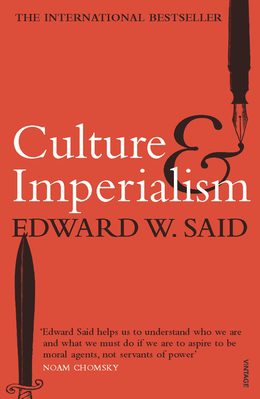


Culture & Imperialism
Culture & Imperialism – Book Summary
Introduction to Culture & Imperialism
Edward Said’s Culture & Imperialism is a powerful exploration of the deep ties between culture, history, and political domination. The book expands on the themes introduced in Said’s earlier work Orientalism but moves beyond, offering a broader examination of how imperialism shaped both colonizers and colonized. Said reveals how literature, art, and cultural narratives have been central to the creation and justification of empire. By analyzing both Western and non-Western works, he uncovers the subtle yet powerful ways culture interacts with power.
Language: English
Paperback: 528 pages
ISBN-10: 9780099967507
ISBN-13: 9780099967507
Genre: Social Sciences
Condition: New
More detail about this book and author can check this link also Discover the Best English Books Online in our store through this link
Culture & Imperialism – Book Summary
Introduction to Culture & Imperialism
Edward Said’s Culture & Imperialism is a powerful exploration of the deep ties between culture, history, and political domination. The book expands on the themes introduced in Said’s earlier work Orientalism but moves beyond, offering a broader examination of how imperialism shaped both colonizers and colonized. Said reveals how literature, art, and cultural narratives have been central to the creation and justification of empire. By analyzing both Western and non-Western works, he uncovers the subtle yet powerful ways culture interacts with power.
The Core Themes of Culture & Imperialism
At the heart of Culture & Imperialism lies the argument that culture is never separate from politics. Novels, plays, and even travel writings often carried within them the assumptions and values of empire. Said highlights how great literary works—such as those by Jane Austen, Rudyard Kipling, and Joseph Conrad—reflected and reinforced imperial ambitions. Yet, he also points out how resistance literature from colonized societies challenged those same narratives. This duality reveals a complex cultural battlefield where domination and resistance constantly collided.
Literature and Resistance in Culture & Imperialism
One of the book’s most striking sections examines resistance literature. Said brings attention to voices from Africa, the Middle East, Asia, and the Caribbean. These writers offered alternative perspectives that redefined cultural identity and questioned the legitimacy of empire. Their work not only resisted oppression but also helped shape postcolonial thought. Said stresses that the relationship between imperialism and culture is never one-sided; instead, it is marked by constant negotiation and contestation.
Lasting Impact of Culture & Imperialism
Said’s work remains essential for readers interested in postcolonial studies, literary criticism, and global history. By showing how empire was woven into everyday cultural expression, Culture & Imperialism urges readers to rethink how we read literature and understand history. The book is both a critique of past systems of domination and a call to engage critically with the legacy of imperialism that still shapes the modern world.
Language: English
Paperback: 528 pages
ISBN-10: 9780099967507
ISBN-13: 9780099967507
Genre: Social Sciences
Condition: New
More detail about this book and author can check this link also Discover the Best English Books Online in our store through this link
| Author |
|---|
Only logged in customers who have purchased this product may leave a review.
Product Related

Out of stock

Out of stock
EGP455.00
Out of stock
EGP135.00

Out of stock
EGP720.00
Reviews
There are no reviews yet.