

Ten Myths About Israel – A Clear and Balanced Perspective
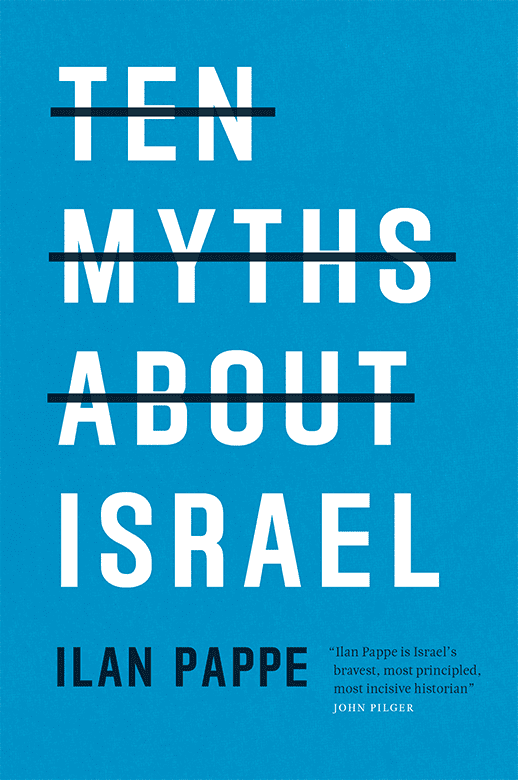
Ten Myths About Israel by Ilan Pappé is a thought-provoking book that challenges widely accepted narratives about Israel and the Israeli-Palestinian conflict. In this work, Pappé examines common claims that have shaped public opinion for decades. At the same time, he presents historical evidence and alternative interpretations to encourage readers to question what they think they know.
What Is the Book About?
In Ten Myths About Israel, Ilan Pappé identifies ten central myths that, according to him, have influenced political discourse and media coverage. For example, he questions the idea that Palestine was “a land without a people for a people without a land.” Furthermore, he challenges the narrative that the creation of Israel was purely a defensive act with no broader political strategy.
Additionally, Pappé discusses the events of 1948, the Six-Day War in 1967, and the ongoing occupation of Palestinian territories. Rather than presenting a simple political argument, he analyzes historical documents, government records, and scholarly research. As a result, the book aims to open space for critical thinking and deeper discussion.
Why Is This Book Important?
First of all, Ten Myths About Israel is important because it invites readers to examine history from multiple perspectives. Instead of accepting official narratives without question, readers are encouraged to explore the complexities of the conflict. Moreover, the book contributes to ongoing debates about nationalism, colonialism, identity, and human rights.
Although the book has sparked controversy, it remains influential in academic and political circles. Supporters praise it for its bold approach and detailed research. On the other hand, critics argue with Pappé’s interpretations. Therefore, the book often serves as a starting point for broader conversations about Middle Eastern history.
Who Should Read Ten Myths About Israel?
This book is ideal for readers interested in Middle Eastern politics, modern history, and international relations. It is also suitable for students, researchers, and anyone seeking a deeper understanding of the Israeli-Palestinian conflict. Because the writing style is clear and direct, non-specialist readers can follow the arguments without difficulty.
Final Thoughts
In conclusion, Ten Myths About Israel challenges dominant narratives and encourages critical reflection. Whether readers agree or disagree with Ilan Pappé’s conclusions, the book undeniably adds depth to discussions about Israel and Palestine. Ultimately, it serves as an invitation to rethink history and engage with complex political realities in a more informed way.