

The Animals of Ancient Egypt: Then and Now

The Animals of Ancient Egypt: Then and Now
EGP540.00
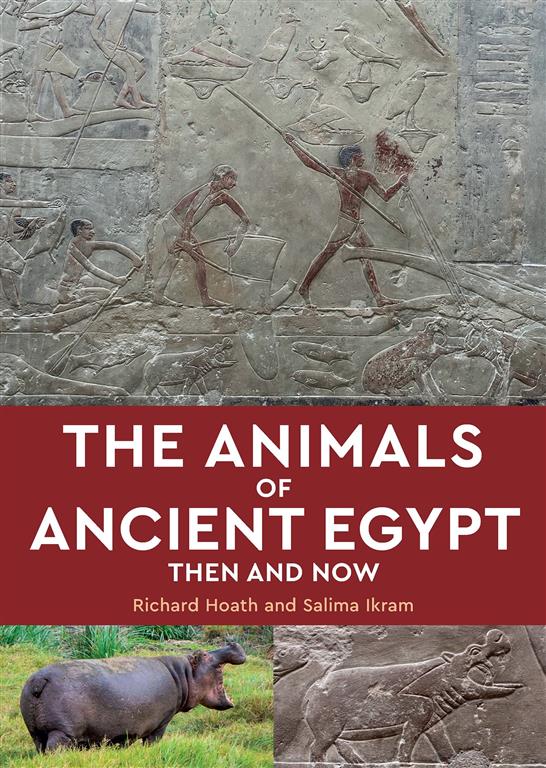
A beautifully illustrated full-color guide to more than 60 wildlife species recorded in modern Egypt and also portrayed in ancient Egypt, by two leading experts in their fields Illustrated with contemporary photographs and tomb carvings or paintings, this fascinating book provides a simultaneous guide to some 60 species of mammal, bird, reptile, amphibian, fish, and invertebrate recorded in modern Egypt and also portrayed in tombs and temples or as mummies and gods in ancient Egypt—or even earlier in the case of the cave art from the Gilf el-Kebir. · Each species is described in terms of its current characteristics (size, habits and habitats, and range in modern Egypt) and the animal’s relevance and religious and practical significance in ancient Egypt · Provides information about where the animal portrayed may be viewed in Egypt’s tombs and temples · Relevant gods and goddesses of ancient Egypt are listed and described · The introduction covers biogeography, ancient Egypt and its wildlife, modern developments, a chronology of ancient Egypt, and a glossary
56 in stock
The Animals of Ancient Egypt: Then and Now
The Animals of Ancient Egypt: Then and Now Book Description
Readers will discover a vivid celebration of Egypt’s wildlife in The Animals of Ancient Egypt: Then and Now. This full‑color guide showcases more than 60 species that roam modern Egypt and that once graced tomb walls, temple reliefs, and ancient seals. The book pairs contemporary photographs with historic carvings, letting you explore each animal’s present traits and its ancient symbolic role.
Fans of natural history and Egyptology will enjoy side‑by‑side comparisons of mammals, birds, reptiles, amphibians, fish, and invertebrates. Throughout the pages, each entry details size, habits, habitats, and current range, while also explaining why the creature mattered to priests, artisans, and everyday people. Meanwhile, the guide points out where you can see the original images in tombs, temples, and museums across Egypt.
The author team, composed of two leading experts, adds depth by linking each animal to the gods and goddesses that honored it. Additionally, the introduction offers a concise overview of Egypt’s biogeography, a timeline of ancient dynasties, and a handy glossary for unfamiliar terms. Therefore, the book works as an engaging coffee‑table picture book and a useful reference for students and travelers.
Key Features of The Animals of Ancient Egypt: Then and Now
Each species appears with a modern photograph that captures its natural beauty. Furthermore, opposite the photo you will find a high‑resolution image of the ancient depiction, whether it is a tomb wall painting, a mummy illustration, or a temple carving. This dual visual format helps readers compare past and present at a glance.
Moreover, the text explains the animal’s ecological role today and its religious or practical significance in antiquity. For example, the ibis is described as a wetland bird that feeds on fish, while also being the sacred emblem of Thoth, the god of wisdom. Relevant deities are listed, and short myths illustrate how ancient Egyptians interpreted animal behavior.
The guide also includes a map of modern Egypt that marks where each species can be found, alongside a diagram of key archaeological sites where their ancient images appear. Readers can therefore plan field trips that combine wildlife spotting with cultural exploration.
Why Read This Book?
Readers will enjoy a richly illustrated journey that makes history feel alive. The book’s clear, concise language makes complex topics easy to understand, and the short paragraphs keep the reading experience light. Because the content is organized alphabetically, you can quickly locate a favorite animal or deity.
Fans of travel will appreciate practical tips on where to view the ancient artwork in museums or on‑site in Egypt. Meanwhile, students will find the glossary and chronology useful for school projects. Additionally, the beautiful design makes it a perfect gift for anyone fascinated by nature or ancient cultures.
About This Book
More detail about this book and its author can be found on Goodreads. Also discover the best English books online in our store through this link.
| Author |
|---|
Only logged in customers who have purchased this product may leave a review.
Product Related
Out of stock
EGP800.00
Out of stock
Out of stock
Reviews
There are no reviews yet.