

The Revenge of Geography


The Revenge of Geography
EGP1,435.00
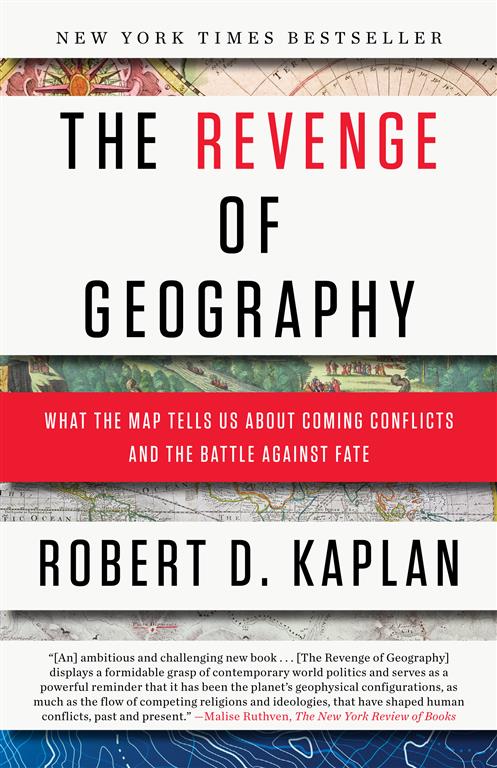
In “The Revenge of Geography,” Robert D. Kaplan explores how the physical realities of the world—climate, topography, and location—shape the destinies of nations and the course of global politics. He argues against the “flat world” theory, asserting that geography remains a decisive factor in historical and future conflicts. By examining the works of past geopolitical thinkers, Kaplan provides a framework for understanding modern crises in regions like Russia, China, the Middle East, and the Indian subcontinent. The book offers a strategic map for the future, emphasizing that while technology and globalization change the world, the timeless truths of the map continue to dictate the battle against fate.
6 in stock
The Revenge of Geography
The Revenge of Geography Book Description
Readers will discover why The Revenge of Geography remains a vital English title at Kalimat Bookstore Online. In this engaging work, author Robert D. Kaplan shows how climate, terrain, and location shape the destinies of nations and steer global politics. He challenges the “flat world” myth and proves that geography still decides the outcomes of past and future conflicts. The book blends vivid storytelling with clear analysis, making complex geopolitical ideas easy to understand.
Throughout the chapters, Kaplan explores the insights of classic geopolitical thinkers and applies them to today’s hotspots. He helps readers make sense of crises in Russia, China, the Middle‑East, and the Indian subcontinent. By linking historical patterns with current events, the author creates a practical framework for interpreting world affairs. Moreover, he shows how technology and globalization interact with the unchanging forces of the map.
Fans of contemporary history will enjoy the strategic map that Kaplan draws for the future. The narrative balances scholarly depth with accessible language, allowing a broad audience to learn why mountains, rivers, and deserts still matter. Meanwhile, the book invites readers to think critically about the role of geography in shaping policies, economies, and cultures around the globe.
Key Features of The Revenge of Geography
Each chapter combines vivid case studies with clear explanations of geographic concepts. Readers can explore how climate influences agricultural productivity, how mountain ranges affect military strategy, and how oceans determine trade routes. Additionally, the book includes maps and diagrams that illustrate the author’s points, helping visual learners grasp complex ideas quickly.
Furthermore, Kaplan offers a concise summary of lessons from past thinkers such as Halford Mackinder and Nicholas Spykman. He then updates those ideas for the 21st century, showing why geography remains a decisive factor despite rapid technological change. The modern examples are drawn from recent events, giving the book a fresh, relevant feel.
Also, the writing style is straightforward and active. Readers will experience a smooth flow from one region to another, without getting lost in jargon. The concise paragraphs keep the pace lively, making it easy to read a chapter during a short break or a longer study session.
Why Read This Book?
Many readers seek a clear answer to why some nations thrive while others struggle. This book provides that answer by connecting physical landscapes to political outcomes. It helps students, professionals, and curious minds uncover the hidden forces that drive global events. Consequently, readers can better anticipate future trends and make informed decisions in business, policy, or personal discussions.
Meanwhile, the book serves as a valuable reference for anyone interested in international relations. It offers a fresh perspective that complements traditional political science texts. Because Kaplan writes with authority and clarity, the book builds confidence in readers who want to discuss geopolitics with peers.
Finally, the engaging storytelling encourages readers to explore further. After finishing, many are motivated to study maps, travel history, and environmental factors in more depth. The lasting impact of the book is its ability to turn complex geography into an accessible and compelling narrative.
About This Book
More detail about this book and its author can be found on Goodreads. Also discover the best English books online in our store through this link. Whether you are a student, a policy maker, or simply curious about why the world looks the way it does, The Revenge of Geography offers insight, clarity, and a strategic outlook for the future.
| Author |
|---|
Only logged in customers who have purchased this product may leave a review.
Product Related

EGP170.00

Out of stock

Out of stock

EGP275.00
Reviews
There are no reviews yet.