


Skateboard Culture
Overview of Skateboard Culture
Skateboard culture is more than just a sport or recreational activity—it is a global lifestyle shaped by creativity, individuality, and freedom of expression. Emerging in the streets of California during the late 20th century, skateboarding quickly evolved from a niche hobby into a worldwide cultural movement. Today, it represents a unique blend of sport, art, music, and fashion.
At its core, skateboard culture is about self-expression. Skaters use their boards not only to perform tricks but also to communicate identity, style, and attitude. Skateparks, urban streets, and public spaces often become creative arenas where skaters challenge physical limits and redefine how these spaces are used.
The Evolution of Skateboarding
Skateboarding began in the 1950s and 1960s when surfers looked for a way to “surf” on land. Over time, it developed into a distinct sport with its own techniques, equipment, and communities. By the 1980s and 1990s, skateboarding had grown into a powerful youth subculture influenced by punk rock music, graffiti art, and street fashion.
Today, skateboarding has reached mainstream recognition, even becoming an Olympic sport. Despite this global acceptance, the culture still maintains its rebellious roots and strong sense of independence.
Key Elements of Skateboard Culture
Skateboard culture includes several interconnected elements that define its identity:
- Skating style and tricks: From ollies and kickflips to complex street and vert tricks, creativity is central.
- Fashion: Skatewear is known for its comfort, durability, and influence on street fashion trends.
- Music: Genres like punk, hip-hop, and alternative rock are closely tied to skate culture.
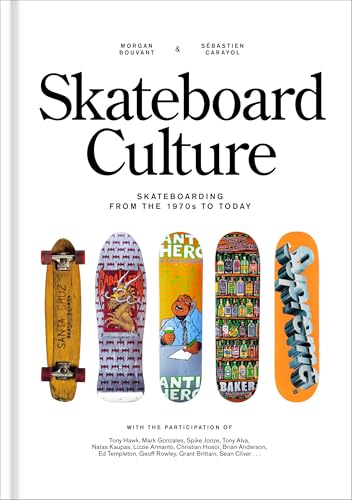
- Art: Graffiti, graphic design, and skate deck artwork play a major role in visual identity.
- Community: Skaters form tight-knit communities that value respect, sharing, and mentorship.
Skateboarding as a Lifestyle
For many people, skateboarding is not just an activity but a way of life. It teaches persistence, resilience, and creativity through constant practice and experimentation. Falling and trying again is part of the learning process, making it a powerful metaphor for personal growth.
Skateboard culture also encourages inclusivity and diversity. Skaters from different backgrounds come together through a shared passion, breaking social barriers and building connections across cultures.
The Influence of Skateboard Culture Today
Modern skateboard culture continues to influence fashion brands, music artists, filmmakers, and designers. Social media has also played a major role in spreading skateboarding content worldwide, allowing skaters to share tricks, tutorials, and creative videos instantly.
Despite its evolution, the heart of skateboard culture remains the same: freedom, creativity, and the desire to turn ordinary spaces into extraordinary playgrounds.
Whether practiced professionally or casually, skateboarding continues to inspire millions of people around the world to move, create, and express themselves without limits.
Isbn:9780593839492