

Season of Migration to the North
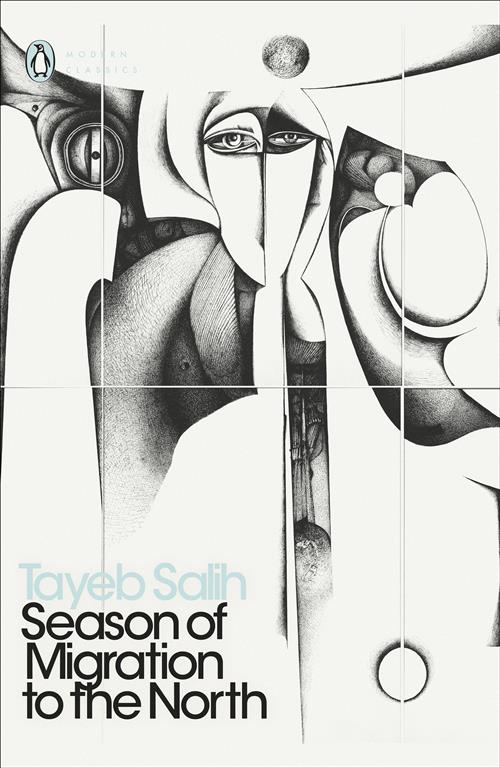


Season of Migration to the North
EGP830.00
The story of a man undone by a culture that in part created him, Season of Migration to the North, is a powerful and evocative examination of colonization in two vastly different worlds. When a young man returns to his village in the Sudan after many years studying in Europe, he finds that among the familiar faces there is now a stranger – the enigmatic Mustafa Sa’eed. As the two become friends, Mustafa tells the younger man the disturbing story of his own life in London after the First World War. Lionized by society and desired by women as an exotic novelty, Mustafa was driven to take brutal revenge on the decadent West and was, in turn, destroyed by it. Now the terrible legacy of his actions has come to haunt the small village at the bend of the Nile.
Out of stock
Season of Migration to the North
Season of Migration to the North Book Description
Season of Migration to the North transports readers from a tranquil Sudanese village to the buzzing streets of post‑World War I London. A young Sudanese scholar returns home after years of study in Europe, only to find his cherished community changed by the arrival of the mysterious Mustafa Sa‘eed. Together they uncover a tangled past where personal trauma meets the sweeping forces of colonization.
When the scholar meets Mustafa, the older man recounts his unsettling life in the West. Lionized as an exotic curiosity, Mustafa faces both admiration and exploitation. He soon realises that the same society that adores him also fuels his rage. Therefore, he embarks on a brutal quest for revenge that ends in his own destruction. This narrative shows how cultural collision can shape, and sometimes ruin, a person’s destiny.
Meanwhile, the village at the bend of the Nile feels the echo of Mustafa’s choices. The legacy of his actions haunts the locals, revealing that the wounds of colonisation stretch far beyond any single border. Readers will sense the tension between tradition and modernity, and see how history continues to shape present life.
Key Features of Season of Migration to the North
First, the novel offers a vivid portrait of two contrasting worlds. The author paints Sudanese life with lush, sensory details, while London appears as a cold, glittering maze. This dual setting helps readers explore identity, displacement, and belonging.
Second, the characters are richly drawn and emotionally resonant. The scholar’s curiosity, Mustafa’s bitterness, and the elders’ stoic wisdom create a tapestry of voices that feel authentic and compelling.
Third, the book tackles timeless themes such as colonialism, cultural hybridity, and the cost of revenge. By weaving personal drama with historical context, the story invites readers to reflect on how power imbalances shape individual lives.
Why Read This Book?
Fans of literary fiction will appreciate the lyrical prose and intricate plot. Moreover, the novel serves as a conversation starter about post‑colonial identity, making it a valuable addition to any book club or classroom discussion.
Readers can also enjoy the suspenseful storytelling. As mysteries unfold, the narrative maintains a steady pace that keeps the audience engaged without sacrificing depth.
Additionally, the book provides insight into Sudanese culture, a perspective rarely highlighted in mainstream literature. This unique view broadens a reader’s worldview and fosters empathy.
About This Book
Season of Migration to the North is available in English at Kalimat Bookstore Online, offering a compelling reading experience for anyone interested in powerful storytelling and cultural introspection. For more details about the author and reviews, visit the Goodreads page. Discover more top English titles in our collection by clicking here.
| Author |
|---|
Only logged in customers who have purchased this product may leave a review.
Product Related

Out of stock
EGP375.00

Out of stock
EGP715.00

Out of stock
EGP240.00

Reviews
There are no reviews yet.