

Modern Iran and the Avant-Gardes 1948–78
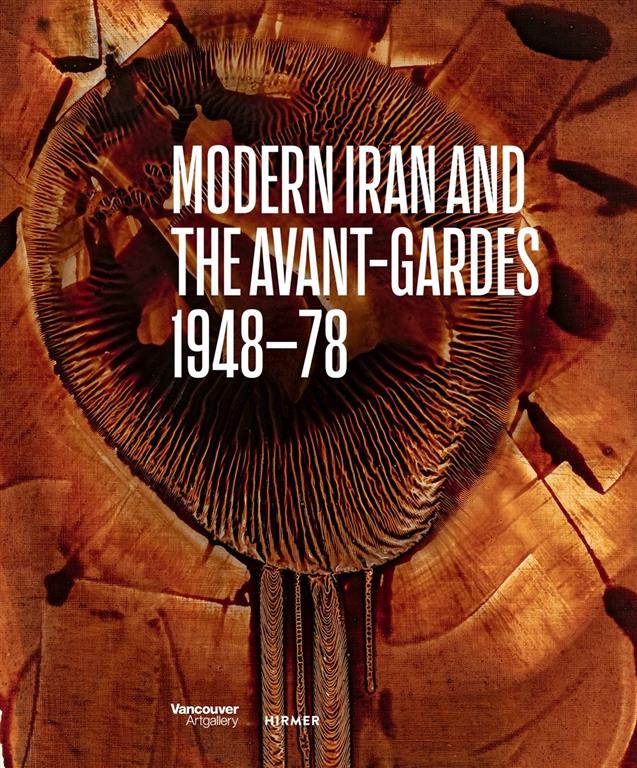

Modern Iran and the Avant-Gardes 1948–78
EGP3,380.00
When tradition meets global modernism: masterworks from Iran.
Modern Iran and the Avant-Gardes, 1948–78 explores how the complex cultural tensions of the nation’s period between 1948 and 1978 led to artistic innovation. As Iran became modern, modernism became distinctly Iranian. Iranian artists created a unique form of modernism that addressed the tension between commitments to innovate and an engagement with traditional Iranian ideas and cultural forms.
Heavily illustrated, this publication features thirty artists who worked during the pivotal modernism period and practiced in a range of media from painting and sculpture to printmaking, drawing, and architecture. Featuring an introductory essay by exhibition curator Pantea Haghighi that surveys the range of artistic and political influences on the emergence of Iranian modernisms and a selection of focused essays by scholars and curators Fereshteh Daftari, Davood Madadpoor, Hans Ulrich Obrist, and Ali Bakhtiari, Modern Iran and the Avant-Gardes, 1948–78 is a timely addition to the scholarship on both alternate modernisms and the history of Iranian art.
Featured artists include: Hossein Amanat, Massoud Arabshahi, Siah Armajani, Iran Darroudi, Kamran Diba, Seyed Mohammad Ehsaey, Parvaneh Etemadi, Monir Shahroudy Farmanfarmaian, Abdol-Aziz Farmanfarmaian, Mansour Ghandriz, Marcos Grigorian, Nahid Hagigat, Farideh Lashai, Reza Mafi, Leyly Matine-Daftary, Sirak Melkonian, Ardeshir Mohasses, Bahman Mohasses, Nicky Nodjoumi, Ruyin Pakbaz, Faramarz Pilaram, Behjat Sadr, Abolghassem Saidi, Sohrab Sepehri, Masoumeh Seyhoun, Houshang Seyhoun, Jazeh Tabatabai, Parviz Tanavoli, Mohsen Vaziri-Moghaddam, Hossein Zenderoudi, and Jalil Ziapour.
5 in stock
Modern Iran and the Avant-Gardes 1948–78
Modern Iran and the Avant-Gardes 1948–78 Book Description
Modern Iran and the Avant-Gardes 1948–78 offers a vivid look at how tradition met global modernism in Iran. This English‑language volume invites readers to explore the cultural tensions that sparked artistic breakthroughs between 1948 and 1978. Full of striking images, the book showcases thirty influential artists working across painting, sculpture, printmaking, drawing, and architecture. Its engaging narrative makes the era’s creativity accessible to both scholars and art lovers.
Readers will discover that as Iran modernized, its modernism took on a uniquely Iranian character. Artists balanced a desire to innovate with deep respect for historic forms and ideas. Consequently, a distinct visual language emerged—one that still resonates today. The book captures this dynamic through richly reproduced works and clear, concise commentary.
Meanwhile, an introductory essay by curator Pantea Haghighi frames the political and artistic forces that shaped the period. Additional essays by Fereshteh Daftari, Davood Madadpoor, Hans Ulrich Obrist, and Ali Bakhtiari add scholarly depth. Together, they illuminate how Iranian creators contributed to alternate modernisms while forging a national artistic identity.
Key Features of Modern Iran and the Avant-Gardes 1948–78
Inside, you’ll find high‑resolution reproductions of works by masters such as Hossein Amanat, Monir Shahroudy Farmanfarmaian, and Parviz Tanavoli. Each image is accompanied by brief notes that explain the piece’s context and technique. The book also includes a timeline of major events, helping readers link artistic shifts to historical moments.
Furthermore, the volume covers a wide range of media. From bold architectural designs to delicate prints, the diverse selections demonstrate the breadth of Iranian creativity. The layout alternates text and visuals, ensuring a smooth reading flow that keeps the audience engaged.
Additionally, the included essays explore themes of identity, exile, and political change. They show how artists responded to social upheaval and how their work reflected both personal and collective narratives. This layered approach provides a comprehensive understanding of the era.
Why Read This Book?
Fans of art history will appreciate the thorough research and vivid visuals that bring mid‑century Iran to life. The book serves as an entry point for newcomers, offering clear explanations without overwhelming jargon. It also acts as a reference for scholars seeking insight into regional modernist movements.
Readers can gain a deeper appreciation for how cultural dialogue shapes artistic expression. By exposing the interplay between tradition and innovation, the book encourages reflection on contemporary art practices. Moreover, the engaging format makes it suitable for classroom use, book clubs, or personal study.
About This Book
For more details, visit the Goodreads page. Explore additional English titles in our store via the English Books section. Enjoy the journey through Modern Iran’s vibrant avant‑garde scene.
| Author |
|---|
Only logged in customers who have purchased this product may leave a review.
Product Related

Out of stock
EGP1,305.00

Out of stock
EGP455.00

EGP755.00
Reviews
There are no reviews yet.