

Science Fictions: How Fraud, Bias, Negligence, and Hype Unde
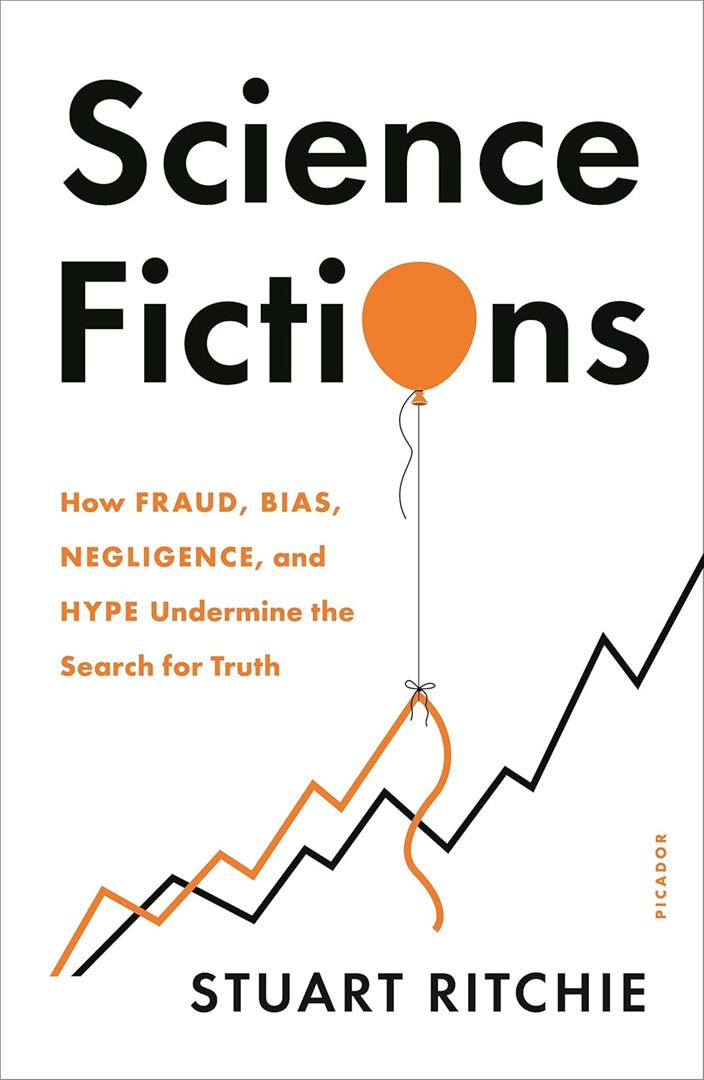


Science Fictions: How Fraud, Bias, Negligence, and Hype Unde
EGP1,630.00
An insider’s view of science reveals why many scientific results cannot be relied upon – and how the system can be reformed. Science is how we understand the world. Yet failures in peer review and mistakes in statistics have rendered a shocking number of scientific studies useless – or, worse, badly misleading. Such errors have distorted our knowledge in fields as wide-ranging as medicine, physics, nutrition, education, genetics, economics, and the search for extraterrestrial life. As Science Fictions makes clear, the current system of research funding and publication not only fails to safeguard us from blunders but actively encourages bad science – with sometimes deadly consequences. Stuart Ritchie’s own work challenging an infamous psychology experiment helped spark what is now widely known as the “replication crisis,” the realization that supposed scientific truths are often just plain wrong. Now, he reveals the very human biases, misunderstandings, and deceptions that undermine the scientific endeavor: from contamination in science labs to the secret vaults of failed studies that nobody gets to see; from outright cheating with fake data to the more common, but still ruinous, temptation to exaggerate mediocre results for a shot at scientific fame. Yet Science Fictions is far from a counsel of despair. Rather, it’s a defense of the scientific method against the pressures and perverse incentives that lead scientists to bend the rules. By illustrating the many ways that scientists go wrong, Ritchie gives us the knowledge we need to spot dubious research and points the way to reforms that could make science trustworthy once again.
Out of stock
Science Fictions: How Fraud, Bias, Negligence, and Hype Unde
Science Fictions: How Fraud, Bias, Negligence, and Hype Unde Book Description
Science Fictions: How Fraud, Bias, Negligence, and Hype Unde reveals why many scientific findings cannot be trusted. Readers explore real‑world examples of flawed studies and learn how the research system could be reformed for greater reliability. Inside, Stuart Ritchie mixes personal investigation with clear storytelling, making complex ideas easy to follow.
The author shows how faulty peer review and shaky statistics turn countless studies into dead ends. Meanwhile, the damage spreads across medicine, physics, nutrition, education, genetics, economics, and even the search for extraterrestrial life. Because of these errors, public confidence in science wavers and some policies become misguided.
Ritchie’s challenge to a famous psychology experiment helped spark the “replication crisis.” This moment exposed many accepted truths as simply wrong. Throughout the book, he uncovers human biases, lab contamination, hidden data vaults, and outright cheating. Additionally, he explains how pressure to publish can push scientists to exaggerate mediocre results for fame.
Key Features of Science Fictions: How Fraud, Bias, Negligence, and Hype Unde
One key feature is the vivid case studies that illustrate each type of misconduct. Readers see how fake data can mislead entire fields and how minor statistical slips can produce huge misconceptions. Moreover, the book highlights incentives that reward quantity over quality, providing a clear picture of why bad science thrives.
The guide also offers practical tools for spotting dubious research. Throughout the chapters, Ritchie provides simple checklists and questions that anyone can use. This approach empowers you to evaluate headlines, academic papers, and media reports with confidence.
Finally, the author proposes concrete reforms. He argues for open data, stronger replication requirements, and funding models that value rigor. Because these changes are achievable, the book ends on a hopeful note rather than a bleak warning.
Why Read This Book?
Fans of investigative nonfiction will enjoy the detective‑like style and readable tone. The story feels like a scientist’s notebook on the case, making complex topics accessible. Readers can learn why certain health advice may be unreliable, how economic forecasts can be skewed, and what to look for when evaluating new scientific claims.
Moreover, the book serves as a call to action for anyone who cares about truth. By revealing hidden flaws in the research process, it encourages a more skeptical and informed public. Therefore, anyone who wants to make better decisions—whether in personal health, education, or policy—will find real value in these pages.
About This Book
For more details about the author and reader reviews, visit the Goodreads page. Explore additional English titles and enjoy fast shipping by browsing our collection at Kalimat Bookstore Online.
| Author |
|---|
Only logged in customers who have purchased this product may leave a review.
Product Related

EGP120.00

Out of stock
EGP650.00

EGP745.00

Out of stock
Reviews
There are no reviews yet.