

Some People Need Killing: A Memoir of Murder in My Country
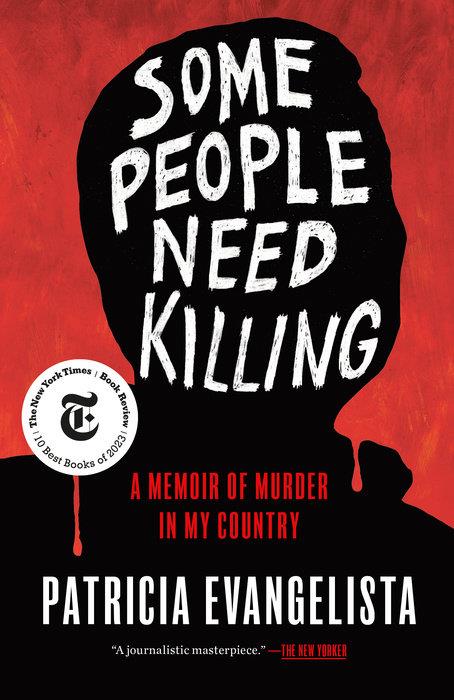


Some People Need Killing: A Memoir of Murder in My Country
EGP1,305.00
This memoir is a gripping account of journalist Patricia Evangelista’s years covering the Philippines’ deadly war on drugs under President Rodrigo Duterte. Blending investigative reporting with personal reflection, she documents stories of victims, grieving families, and the people behind the violence. The book exposes how fear, propaganda, and state power led to thousands of extrajudicial killings—and asks what justice looks like when the system itself is the killer
1 in stock
Some People Need Killing: A Memoir of Murder in My Country
Some People Need Killing: A Memoir of Murder in My Country Book Description
Readers will discover a raw, powerful story in Some People Need Killing: A Memoir of Murder in My Country. Journalist Patricia Evangelista recounts her years reporting on the Philippines’ war on drugs under President Rodrigo Duterte. She blends investigative reporting with personal reflection, giving voice to victims, grieving families, and the perpetrators behind the violence.
Throughout the memoir, Evangelista shows how fear, propaganda, and state power fueled thousands of extrajudicial killings. Meanwhile, she asks tough questions about justice when the system itself becomes the killer. The narrative is both a courtroom drama and a human portrait, inviting readers to grapple with moral complexity.
Fans of true‑crime and political memoirs will enjoy the vivid detail and unflinching honesty. Additionally, the book offers a rare glimpse into the daily risks faced by journalists in conflict zones. Therefore, it serves as both a warning and a call to empathy.
The storytelling is sharp, the pacing steady, and the emotional stakes high. Moreover, Evangelista’s reflections on her own role add depth, turning the work into a meditation on duty, trauma, and resilience. Readers can experience the urgency of reporting from the front lines while learning about the broader social impact.
Key Features of Some People Need Killing: A Memoir of Murder in My Country
Each chapter delivers a new perspective on the drug war, from courtroom testimonies to hush‑hush police raids. The book includes firsthand interviews, courtroom documents, and personal journal entries, creating a layered narrative. Additionally, vivid descriptions place readers in crowded streets, dimly lit detention cells, and quiet family homes.
Because the author writes in clear, accessible language, the memoir appeals to a wide audience. It balances hard facts with emotional storytelling, making complex political issues understandable. Readers will also find a thoughtful appendix that lists resources for human‑rights advocacy.
Furthermore, the memoir is meticulously researched, featuring citations that strengthen its credibility. Meanwhile, the personal anecdotes keep the story grounded, preventing it from feeling like a dry report. This blend of rigor and humanity makes the book a standout in contemporary nonfiction.
Why Read This Book?
Many readers seek stories that enlighten and provoke. This memoir does both by exposing the human cost of a government’s war on drugs. It helps readers understand how ordinary people become victims of state terror. Moreover, the book encourages critical thinking about power, media, and accountability.
Readers will be moved by the courage of families who speak out despite danger. The author’s fearless reporting inspires those who value truth and justice. Additionally, the memoir offers lessons on resilience that apply beyond the Philippines, resonating with anyone who has faced oppression.
Fans of investigative journalism will appreciate the depth of research, while general readers will be drawn to the compelling human stories. Therefore, the book serves as both an eye‑opening account and a call to action for activists, scholars, and curious minds alike.
About This Book
More detail about this book and author can be found on Goodreads. Also discover the best English books online in our store through this link. This memoir is available now at Kalimat Bookstore Online, ready to enrich your bookshelf.
| Author |
|---|
Only logged in customers who have purchased this product may leave a review.
Product Related

EGP495.00

Out of stock
EGP780.00

Out of stock
EGP1,630.00
Reviews
There are no reviews yet.