

Olive Trees


Olive Trees
EGP2,255.00
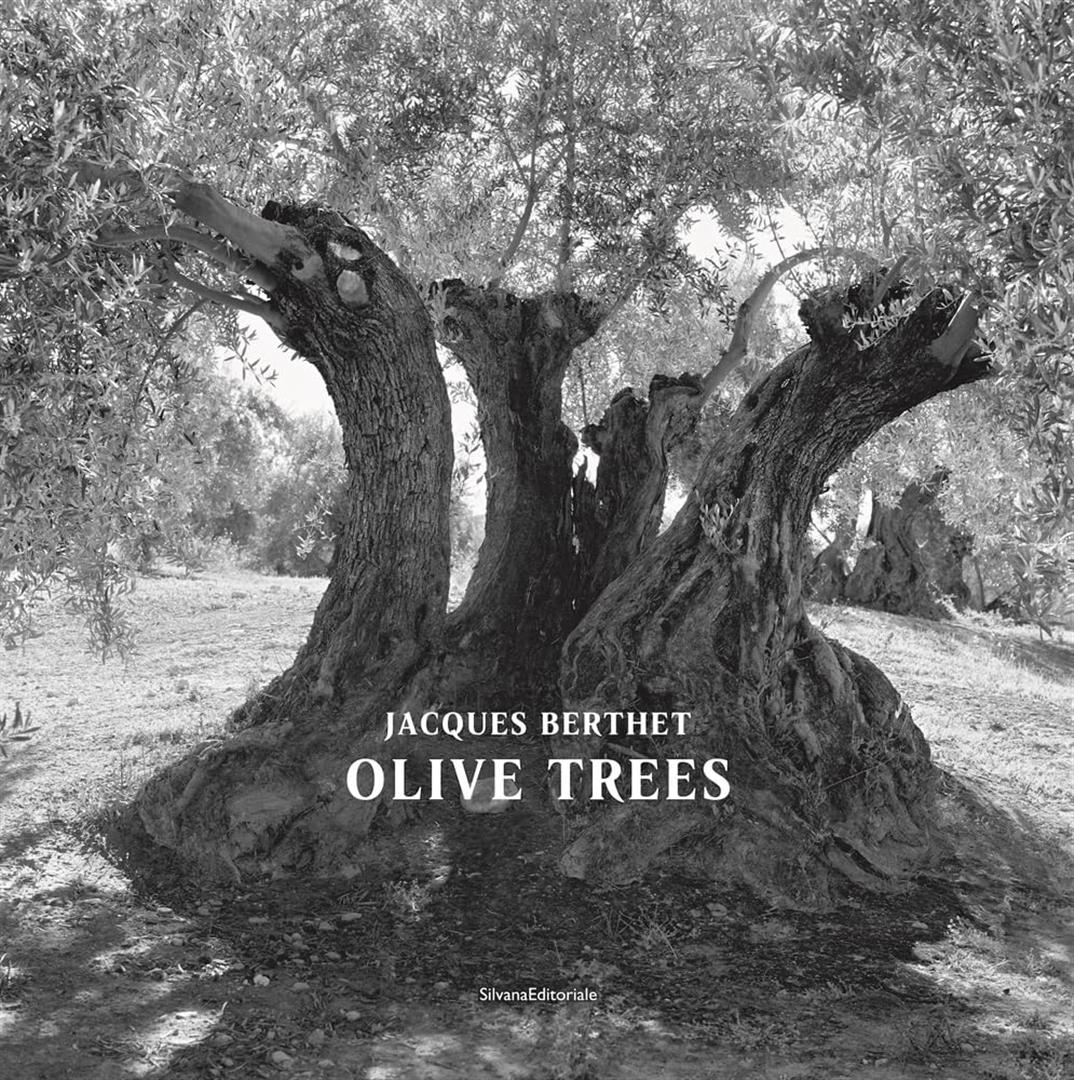
Back-lit in the morning, the olive tree differs greatly in appearance from in the afternoon or at sunset, each time offering new perspectives as well as new photographic collections. Jacques Berthet has long been interested in the olive tree. The idea of studying them came to him during a photography project which took Berthet all around the Mediterranean: from the Alentejo region in Portugal to the Pleistos Valley at Delphi, passing through Kabylia, Tunisia, to the Middle East, in Israel and the West Bank. In his photography, Berthet opts for black and white to distance himself from botany and move closer towards sculpture or drawing, opting for backlighting to single out the chosen tree against the backdrop of the olive grove which remains bathed in light.
The olive tree has remained a significant influence in the everyday life of cultures around the Mediterranean. In ancient poetry and writing, it is the most venerated of trees. The Greeks made it a sacred tree (particularly for its oil, used in lamps), and so have the people of Tunisia and Algeria in more recent times. In Islamic cultures, it is the cosmic tree, the centre and the pillar of the world, symbolising universal man. What sets the olive tree apart from many other species is that no two trees look alike, and its fate is closely linked with that of man.
Out of stock
Olive Trees
Olive Trees Book Description
Olive Trees is a captivating English‑language book now available at Kalimat Bookstore Online. It invites readers to explore the timeless beauty of the olive tree through striking black‑and‑white photography and thoughtful reflections. Jacques Berthet, the author, blends art and history to create a visual journey that feels both intimate and expansive.
Back‑lit in the early morning, an olive tree glows differently than at midday or sunset. Each lighting change reveals new shapes, shadows, and moods. Berthet captures these moments across the Mediterranean, from Portugal’s Alentejo region to Delphi’s Pleistos Valley, then on through Kabylia, Tunisia, Israel, and the West Bank. His images highlight the tree’s sculptural qualities, turning each photograph into a study of form rather than a botanical record.
In addition to stunning visuals, the book delves into the cultural significance of olive trees. Ancient poets praised them as sacred, and Greeks revered them for the oil that lit their lamps. More recently, people in Tunisia and Algeria continue to honor the tree for its nourishment and symbolism. In Islamic tradition, the olive tree is seen as a cosmic pillar, representing the center of the world and the universal human.
Meanwhile, Berthet’s choice of monochrome photography removes the distraction of color, allowing readers to focus on texture and light. This artistic decision brings the trees closer to sculpture and drawing, emphasizing each tree’s unique character. No two olive trees look alike, and their stories are tightly woven with the lives of the people who tend them.
Key Features of Olive Trees
Readers will discover a collection of high‑resolution photographs that showcase the olive tree at dawn, noon, and dusk. Each image is paired with concise captions that explain the location, historical context, and the photographer’s intent. Moreover, the book includes short essays that explore myths, poetry, and daily practices linked to the olive tree.
Fans of travel and photography will enjoy the panoramic view of Mediterranean landscapes. The author also provides a behind‑the‑scenes look at his long‑term project, revealing how he traveled from Portugal to the Middle East to capture these iconic trees. Additionally, the book offers a comparative study of how different cultures celebrate the olive tree, from Greek rites to Islamic symbolism.
The guide’s layout is designed for easy reading. Each chapter begins with a map, followed by a series of images, and ends with a reflective paragraph. This structure helps readers absorb visual details while learning about cultural traditions. Therefore, the book serves both as an art album and an educational resource.
Why Read This Book?
The story behind Olive Trees is more than a photo collection; it is a tribute to a tree that has shaped human history for millennia. Many readers find inspiration in the way the author treats each tree as a living monument. Because the book mixes visual art with cultural analysis, it appeals to a broad audience, from art lovers to history buffs.
Furthermore, the book encourages mindfulness. As you turn each page, you can pause to appreciate the subtle shifts in light and the quiet dignity of each olive tree. This meditative experience makes the reading process relaxing and rewarding. Readers can also learn how olive cultivation influences cuisine, medicine, and spirituality across different regions.
Finally, the book’s compact size and high‑quality paper make it a perfect addition to any coffee table or personal library. Whether you are looking for a gift or a personal treasure, Olive Trees offers a unique blend of beauty and knowledge that will linger long after the final page.
About This Book
For more details about the author and reader reviews, visit the Goodreads page. Explore other top English titles in our store through the English Books collection. Experience the timeless allure of the olive tree today.
| Author |
|---|
Only logged in customers who have purchased this product may leave a review.
Product Related

EGP490.00

Out of stock
EGP980.00

EGP455.00

EGP1,240.00
Reviews
There are no reviews yet.