

Islamic Biomorphic Patterns: Creating Motifs Inspired by the

Islamic Biomorphic Patterns: Creating Motifs Inspired by the
EGP1,705.00
A practical guide to drawing and painting beautiful Islamic botanical patterns.
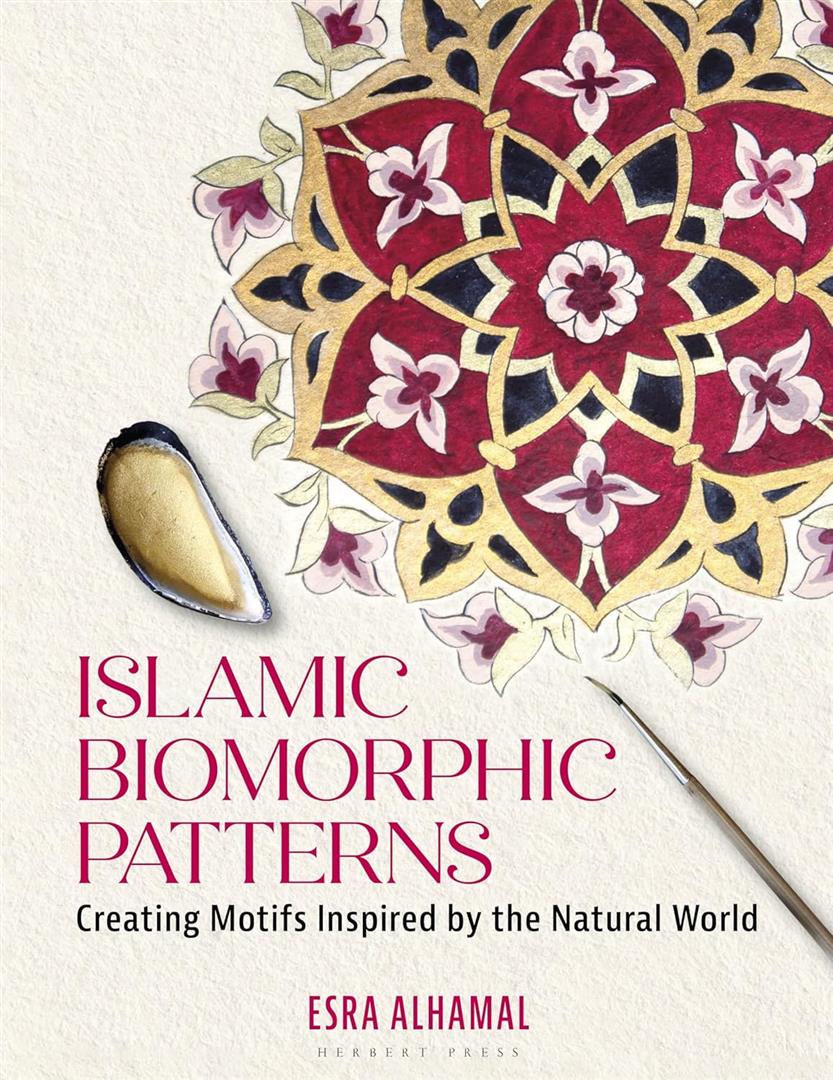
The ancient art of Islamic pattern is steeped in tradition, with dazzling motifs inspired by geometry and nature. Islamic biomorphic patterns are the floral, organic and flowing designs that usually sit within a geometric frame and are often referred to as Nabati, Arabesque, Islimi or Rumi. These patterns can be found on anything from grand architectural monuments to illuminated manuscripts.
In this practical guide, learn how to analyse 12 patterns from the Islamic world, such as Iznik ceramics from Turkey and mosaic tiling from Uzbekistan, and draw them with a combination of geometry and freehand technique with the help of clear step-by-step diagrams.
Experienced artist Dr Esra Alhamal then guides you through the process of preparing your paper, outlining with ink and exploring both contemporary and traditional painting methods with watercolour or gouache. The book also demonstrates how to make and paint with shell gold to create stunning Islamic illumination.
Soon you will have the knowledge to understand how these biomorphic patterns came to be and will gain the skills to recreate the designs and paint them beautifully.
Out of stock
Islamic Biomorphic Patterns: Creating Motifs Inspired by the
Islamic Biomorphic Patterns: Creating Motifs Inspired by the Book Description
Readers will discover Islamic Biomorphic Patterns: Creating Motifs Inspired by the at Kalimat Bookstore Online, a practical guide that invites artists of all levels to draw and paint stunning Islamic botanical designs. This English book blends history, geometry, and freehand technique, offering a compelling experience for anyone fascinated by the timeless beauty of Islamic art.
The guide explores the ancient tradition of Islamic pattern, where dazzling motifs arise from geometry and nature. Throughout the pages, you will learn about floral and organic designs—often called Nabati, Arabesque, Islimi, or Rumi—that flourish within geometric frames. These motifs appear on grand monuments, illuminated manuscripts, and everyday objects, connecting past and present.
Inside, the author analyses twelve iconic patterns from the Islamic world, such as Turkish Iznik ceramics and Uzbek mosaic tiling. Each pattern is broken down with clear, step‑by‑step diagrams. Readers can follow the process of sketching geometry first, then adding freehand flow, creating a harmonious blend of structure and spontaneity.
Moreover, Dr Esra Alhamal guides you through paper preparation, ink outlining, and both contemporary and traditional painting methods. You will explore watercolour and gouache techniques, learning how each medium enhances the delicate lines of the motifs. The book also shows how to make and apply shell gold, adding a luminous touch that mimics historic Islamic illumination.
Key Features of Islamic Biomorphic Patterns: Creating Motifs Inspired by the
Each chapter includes detailed illustrations that simplify complex designs. Additionally, the step‑by‑step instructions keep the learning curve gentle, making the book suitable for beginners and experienced artists alike. Furthermore, the inclusion of twelve diverse patterns exposes readers to a broad cultural palette, from Anatolian tiles to Central Asian mosaics.
Readers will also receive practical tips on selecting paper, mixing pigments, and preserving finished works. Meanwhile, the guide offers insight into the cultural meaning behind each motif, helping you understand why these patterns have endured for centuries.
Finally, the book provides a complete tutorial on using shell gold for illumination. This unique feature allows you to add a radiant, metallic finish that echoes traditional manuscript decoration, elevating your artwork to museum‑quality standards.
Why Read This Book?
Fans of art history will enjoy the rich context that links each pattern to its geographic origin. The author’s clear explanations make the study of Islamic geometry accessible without overwhelming technical jargon. Because the workflow combines geometry and freehand drawing, readers can develop both precision and artistic expression.
Readers can also apply the techniques to modern design projects, such as interior décor, textile prints, or digital graphics. Moreover, the book encourages mindfulness through the repetitive yet creative process of pattern making, offering a relaxing and rewarding artistic practice.
Therefore, whether you aim to broaden your artistic repertoire or simply admire the elegance of Islamic motifs, this guide equips you with the knowledge and confidence to create beautiful, authentic designs.
About This Book
More detail about this book and its author can be found on Goodreads. Also, discover the best English books online in our store through this link.
| Author |
|---|
Only logged in customers who have purchased this product may leave a review.
Product Related

Out of stock
EGP585.00

Out of stock
EGP455.00
Out of stock
EGP605.00

EGP680.00
Reviews
There are no reviews yet.