

The Politics of Melodrama: The Cultural and Political Lives
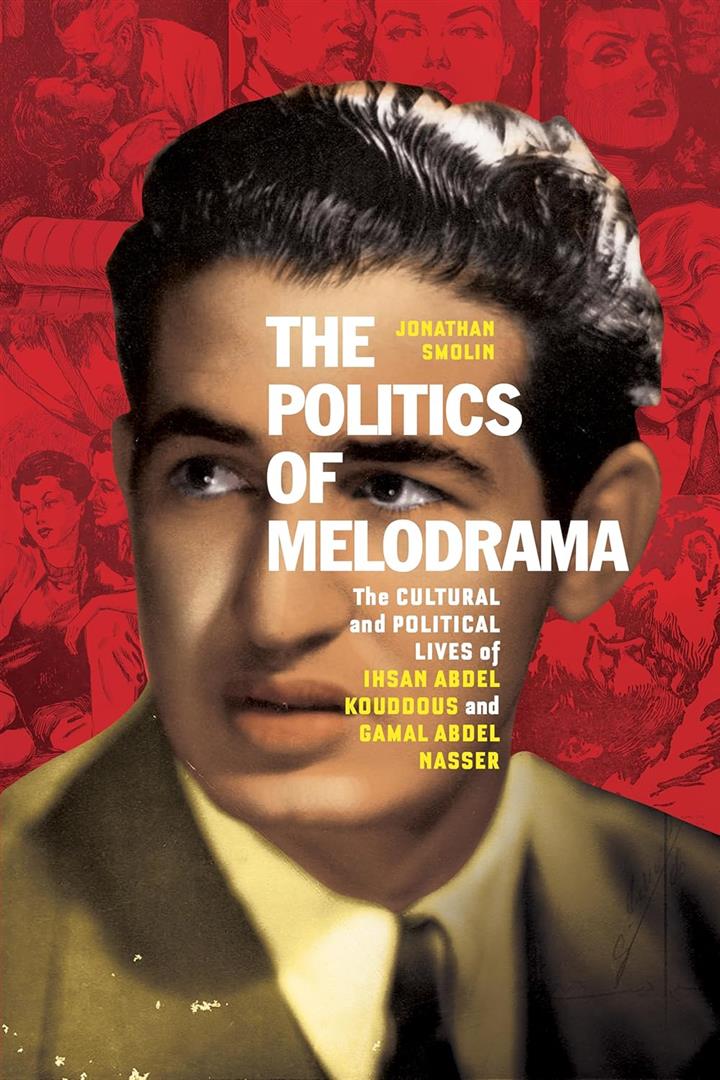


The Politics of Melodrama: The Cultural and Political Lives
EGP2,280.00
Ihsan Abdel Kouddous (1919–1990) is the most popular and prolific writer of Arabic fiction in the twentieth century. The Politics of Melodrama is the first book to take on this giant of Arabic fiction and consider both his outsized cultural influence and consequential position in Egyptian politics. Jonathan Smolin frames the work of Abdel Kouddous not only as romantic melodrama, but as an entirely new model of Arabic fiction as dissent—contesting the fate of the 1952 revolution, condemning Nasser’s betrayal of democracy, and grappling with depths of guilt at what Egypt had become. Smolin reveals the surprisingly close relationship between the famed writer and Nasser. He offers a new reading of fiction during the Nasser era that inserts the importance of non-elite culture in the history of the period and reevaluates the production of Nasserism. Unearthing Nasser’s repeated interventions both to shape the work of Abdel Kouddous and to discipline him personally, this book demonstrates how the media and popular fiction became spaces of negotiation between the intellectual and the state, contesting Nasser and his politics during a period that has been widely assumed to be devoid of dissent.
7 in stock
The Politics of Melodrama: The Cultural and Political Lives
The Politics of Melodrama: The Cultural and Political Lives Book Description
Readers will find The Politics of Melodrama: The Cultural and Political Lives as a compelling English edition offered by Kalimat Bookstore Online. This book explores the work of Ihsan Abdel Kouddous (1919‑1990), who remains the most popular and prolific Arabic novelist of the twentieth century. Jonathan Smolin invites us to see Abdel Kouddous not only as a writer of romantic melodrama but also as a pioneer of dissenting fiction. The story unfolds against the backdrop of the 1952 Revolution and the rise of Nasser’s Egypt, revealing how literature can challenge power.
Throughout the narrative, Smolin shows how Abdel Kouddous used melodrama to question the promises of the revolution. He condemns Nasser’s betrayal of democratic ideals and examines the deep sense of guilt that many Egyptians felt as the nation changed. Meanwhile, the author uncovers a surprisingly close relationship between the novelist and President Nasser, highlighting how personal ties influenced creative output. This insight adds a fresh layer to our understanding of the era.
Fans of political history will appreciate the book’s detailed account of Nasser’s repeated interventions in Abdel Kouddous’s career. Smolin illustrates how the state tried to shape popular fiction and discipline the author when he strayed from official narratives. Therefore, the media and novels became negotiation spaces where intellectuals could subtly contest government policies. The text proves that dissent existed even in a period often described as politically silent.
Key Features of The Politics of Melodrama: The Cultural and Political Lives
Additionally, the book offers a nuanced reading of Nasser‑era fiction, emphasizing the role of non‑elite culture in shaping history. It reevaluates the production of Nasserism by placing popular literature at the center of cultural politics. Moreover, the work includes extensive archival research, providing readers with primary sources that support Smolin’s arguments. Each chapter blends literary analysis with political critique, making the study accessible to both scholars and general readers.
Furthermore, the author’s clear prose ensures that complex historical events are easy to follow. Throughout the book, readers can explore how Abdel Kouddous’s stories reflected broader social anxieties. The balance of narrative and scholarly insight creates an engaging reading experience that educates without overwhelming. Because of this, the book serves as a valuable resource for anyone interested in Middle Eastern literature or modern political movements.
Why Read This Book?
Many readers seek a deeper understanding of how art interacts with power, and this book delivers exactly that. It uncovers the hidden dialogues between a celebrated novelist and a charismatic leader, showing how culture can both resist and reinforce authority. Additionally, the work highlights the importance of popular fiction as a historical source, challenging the notion that only elite texts matter. Therefore, readers will gain fresh perspectives on Egyptian history and the enduring impact of melodrama.
Moreover, the book’s engaging style invites readers to reflect on contemporary issues of censorship and artistic freedom. By drawing parallels between past and present, Smolin encourages a critical look at how governments influence creative expression today. This relevance makes the book not just a historical study but also a timely reminder of the power of dissent.
About This Book
More detail about this book and its author can be found on Goodreads. Also, discover the best English books online in our store through this link. Enjoy exploring the cultural and political lives hidden within melodrama.
| Author |
|---|
Only logged in customers who have purchased this product may leave a review.
Product Related

Out of stock
EGP585.00

Out of stock
EGP455.00

Out of stock
EGP605.00

EGP680.00
Reviews
There are no reviews yet.