

Studies in Arab Architecture: Collected Papers in Islamic Ar


Studies in Arab Architecture: Collected Papers in Islamic Ar
EGP10,330.00
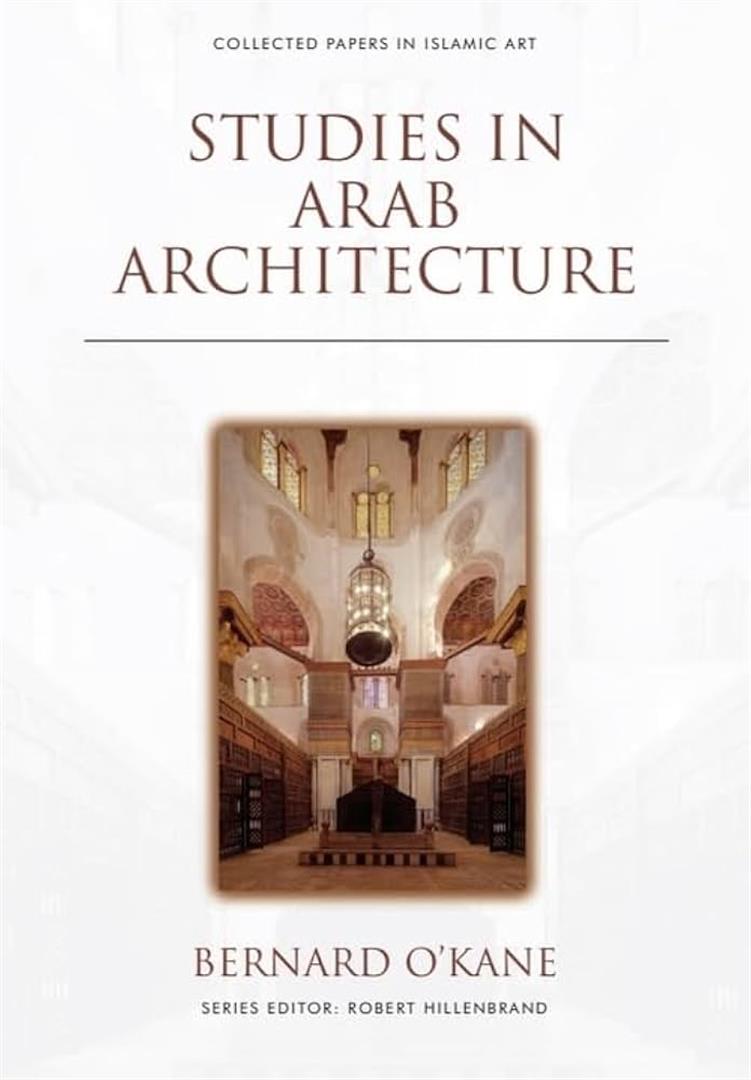
This lavishly illustrated volume – with many images previously unpublished in colour – collects 18 articles by Bernard O’Kane on a wide variety of topics in Arab architecture. The essays range from from Morocco to India, and from the earliest periods of Islam to the present day. He concentrates on monuments in Egypt and Syria, analysing topics such as the borrowings between domestic and religious architecture, studies of individual buildings and mutual influences between Iran and Egypt.
Out of stock
Studies in Arab Architecture: Collected Papers in Islamic Ar
Studies in Arab Architecture: Collected Papers in Islamic Ar Book Description
Readers will find Studies in Arab Architecture: Collected Papers in Islamic Ar a richly illustrated guide that brings the beauty of Arab structures to life. This English volume gathers 18 insightful articles by Bernard O’Kane, each highlighting a unique facet of Islamic architecture. Inside, vivid colour photographs reveal monuments that were previously unseen in print. Moreover, the book spans a wide geography—from Morocco’s coastal towns to India’s historic sites—offering a comprehensive look at the region’s architectural heritage.
The author concentrates on iconic monuments in Egypt and Syria, exploring how domestic and religious designs influence one another. Throughout the essays, O’Kane examines individual buildings and traces cultural exchanges between Iran and Egypt. Meanwhile, the collection covers periods from early Islam to contemporary developments, showing how styles evolve over centuries. As a result, the reader gains a clear understanding of both historic roots and modern adaptations.
Fans of architectural history will enjoy the balanced mix of scholarly analysis and accessible storytelling. Additionally, the book’s high‑quality images serve as a visual companion to the text, helping readers to connect theory with real‑world examples. Because each chapter focuses on a specific theme, the volume invites both casual readers and specialists to explore at their own pace.
Key Features of Studies in Arab Architecture: Collected Papers in Islamic Ar
Each of the 18 papers presents original research backed by rare colour photographs, many of which have never been published before. Furthermore, the essays cover a broad range of topics, including the borrowing of design elements between private homes and mosques, the impact of trade routes on building techniques, and the role of climate in shaping structural choices. Also, O’Kane highlights lesser‑known sites, giving voice to architecture that often escapes mainstream attention.
Readers can expect clear maps, detailed diagrams, and concise footnotes that enhance the learning experience without overwhelming the audience. Meanwhile, the book’s layout encourages easy navigation, allowing readers to jump between regions or periods as they wish. Moreover, the concise writing style makes complex ideas understandable for a general audience, while still providing depth for more advanced scholars.
Why Read This Book?
This volume offers a rare blend of visual splendor and scholarly insight, making it a valuable addition to any personal or academic library. Because the author connects architectural features to cultural and historical contexts, readers can appreciate how buildings tell stories of their societies. Additionally, the book’s focus on cross‑regional influence helps illustrate the interconnectedness of the Islamic world, a perspective that many texts overlook. Therefore, anyone interested in art history, cultural studies, or travel will find fresh inspiration within its pages.
Moreover, the inclusion of previously unpublished colour images provides a fresh look at well‑known monuments and introduces new sites to curious minds. Readers will discover patterns of design that link distant lands, gaining a deeper respect for the creativity and resilience of Arab architects. Consequently, the book not only educates but also sparks a desire to explore these sites in person.
About This Book
More detail about this book and its author can be found on Goodreads. Also, discover the best English books online in our store through this link. Enjoy a compelling reading experience with Studies in Arab Architecture: Collected Papers in Islamic Ar today.
| Author |
|---|
Only logged in customers who have purchased this product may leave a review.
Product Related

Out of stock
EGP585.00

Out of stock
EGP455.00
Out of stock
EGP605.00

EGP680.00
Reviews
There are no reviews yet.