

Feminism, Tradition and Change in Contemporary Islam: Negoti
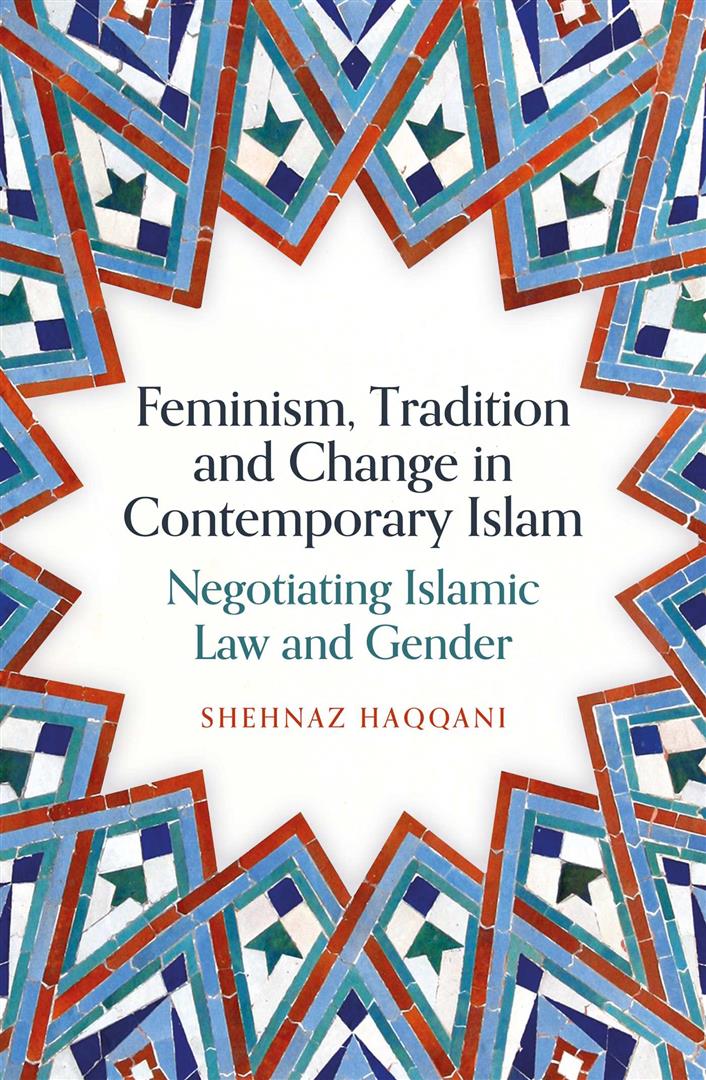


Feminism, Tradition and Change in Contemporary Islam: Negoti
EGP2,080.00
An insightful study of the role of gender in establishing the limits of interpretation and flexibility in the Islamic tradition
The Islamic tradition has always been flexible, changing over time and constantly adapting to the different societies Muslims find themselves in. Few Muslims today would abide by the fatwa against the printing press under the Ottomans. Moreover, although Islamic law legislates for slavery and child marriage, only a vanishing minority of Muslims consider these practices acceptable today – and some will even argue that Islam never permitted them. Yet some issues, like the prohibition on female-led prayer and female interfaith marriage seem curiously impervious to change. Why is that? Through a mixture of interviews with ordinary Muslims in Texas and critical analysis of contemporary and historical scholarship, Shehnaz Haqqani demonstrates the gendered dimensions of change and negotiation in Islamic tradition. She argues that a reliance on a mostly-male scholarly consensus means that the ‘tradition’ preserves male privilege at the expense of justice for Muslim women.
Out of stock
Feminism, Tradition and Change in Contemporary Islam: Negoti
Feminism, Tradition and Change in Contemporary Islam: Negoti Book Description
Feminism, Tradition and Change in Contemporary Islam: Negoti offers a fresh look at how gender shapes Islamic thought. Author Shehnaz Haqqani blends interviews with everyday Muslims in Texas and careful study of scholarly work. The result is a clear guide to why some practices evolve while others stay fixed. Readers will find this book both thought‑provoking and easy to follow.
The Islamic tradition has always shown flexibility. Over centuries it has adapted to new cultures, technologies, and ideas. Few Muslims today would follow an Ottoman‑era ban on the printing press. Yet debates continue over issues such as female‑led prayer or interfaith marriage. Haqqani explains how a largely male scholarly consensus often preserves male privilege. She also shows how many Muslims now reject historic practices like slavery or child marriage, arguing that Islam never truly endorsed them.
Key Features of Feminism, Tradition and Change in Contemporary Islam: Negoti
Each chapter presents real stories from Muslim families in Texas. These voices illustrate how ordinary believers negotiate tradition and modern life. Meanwhile, Haqqani offers concise analysis of historic and contemporary scholarship. Additionally, the book highlights the role of gendered interpretation in shaping religious law. Readers can see why some norms shift quickly while others resist change.
The book’s structure makes complex ideas accessible. It breaks down legal concepts, historical anecdotes, and personal testimonies into short, clear sections. Furthermore, each section ends with practical questions that invite reflection. This format helps students, activists, and anyone interested in Islam understand the dynamics of gender and authority.
Why Read This Book?
Fans of social‑science narratives will appreciate the balanced blend of data and lived experience. The guide uncovers how gendered power structures influence religious change. It also offers concrete examples of how Muslim women are challenging long‑standing rules. Therefore, readers gain insight into both the challenges and the opportunities for reform within Islam.
Many readers seek a respectful yet critical view of Islamic tradition. This book delivers that perspective without jargon. Moreover, it encourages dialogue across faiths and cultures. By exploring both historical texts and modern testimonies, the work helps bridge gaps between scholars and everyday believers.
About This Book
For more details about the author and reader reviews, visit the Goodreads page. Explore other top English titles in our store at the English Books section.
| Author |
|---|
Only logged in customers who have purchased this product may leave a review.
Product Related
EGP350.00

Out of stock

EGP689.00

Out of stock
EGP3,580.00
Reviews
There are no reviews yet.