
Beirut and the Golden Sixties: Mathaf Arab Museum of Modern
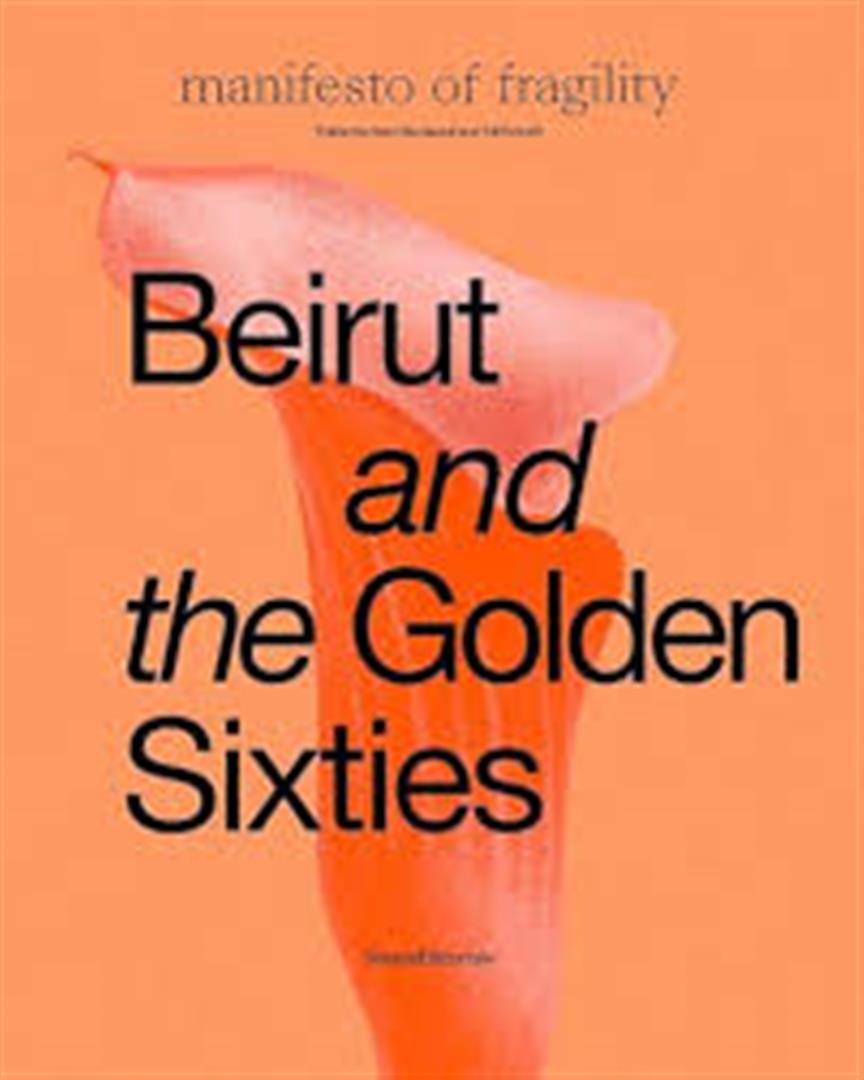
Beirut and the Golden Sixties: Mathaf Arab Museum of Modern
EGP2,930.00
Artworks and archival documents from Lebanon’s turbulent postwar years
This volume revisits a turbulent chapter in Lebanese modernism, from the 1958 crisis to the 1975 outbreak of civil war. Through 230 works by 34 artists and more than 300 archival documents, it shows how collisions between art, culture and polarized political ideologies turned Beirut’s art scene into a microcosm for larger transregional tensions.
2 in stock
Beirut and the Golden Sixties: Mathaf Arab Museum of Modern
Beirut and the Golden Sixties: Mathaf Arab Museum of Modern Book Description
Readers will discover a vivid portrait of Lebanon’s artistic boom in the 1960s with Beirut and the Golden Sixties: Mathaf Arab Museum of Modern. This English‑language volume offers a compelling journey through a decade when art, politics, and culture collided in the streets of Beirut. The book invites you to explore 230 works by 34 pioneering artists and more than 300 archival documents, all set against the backdrop of the 1958 crisis and the looming 1975 civil war.
Inside the pages, the story unfolds through carefully selected paintings, photographs, and exhibition catalogues. Meanwhile, each image is paired with contextual notes that explain how creative expression reflected wider regional tensions. Moreover, the narrative highlights how Beirut’s galleries became meeting points for differing ideologies, turning the city into a microcosm of the Middle East’s post‑war transformation.
Fans of modern art and Middle Eastern history will enjoy the seamless blend of visual richness and scholarly insight. Additionally, the volume provides fresh perspectives on how artists negotiated identity, freedom, and resistance. Therefore, readers gain not only aesthetic pleasure but also a deeper understanding of Lebanon’s cultural resilience during a turbulent era.
Key Features of Beirut and the Golden Sixties: Mathaf Arab Museum of Modern
The guide includes high‑resolution reproductions of 230 artworks, allowing you to study brushstrokes, colors, and composition up close. Furthermore, over 300 archival documents—letters, newspaper clippings, and exhibition flyers—bring authentic voices from the period into the present.
Each chapter is organized chronologically, beginning with the hopeful optimism of the late 1950s and moving toward the stark realities of 1975. Readers can track how artistic themes evolved in response to political upheaval, economic change, and social movements. Additionally, concise essays by curators and historians provide clear explanations without overwhelming jargon.
The book also features a dedicated section on the Mathaf Arab Museum of Modern’s role in preserving this heritage. Meanwhile, sidebars highlight lesser‑known artists who contributed to the vibrant scene, offering a more inclusive view of the era’s creative landscape.
Why Read This Book?
This book helps you explore a pivotal moment when Beirut’s art scene mirrored the city’s hopes and fears. Readers will appreciate the balanced mix of visual appeal and informative commentary, which makes complex history accessible to all. Moreover, the volume serves as a valuable resource for students, educators, and art lovers seeking to understand how culture can both reflect and influence society.
Because the content is richly illustrated and thoughtfully organized, you can enjoy a leisurely reading experience or use it for focused research. Additionally, the book’s engaging style encourages repeat visits to its pages, allowing new details to emerge with each read.
About This Book
More detail about this book and its author can be found on Goodreads. Also, discover the best English books online in our store through this Kalimat Bookstore link.
| Author |
|---|
Only logged in customers who have purchased this product may leave a review.
Product Related

Out of stock
EGP1,305.00

Out of stock
EGP455.00
EGP755.00
Reviews
There are no reviews yet.