

Casablanca Art School: A Postcolonial Avant-Garde 1962–1987

Casablanca Art School: A Postcolonial Avant-Garde 1962–1987
EGP2,605.00
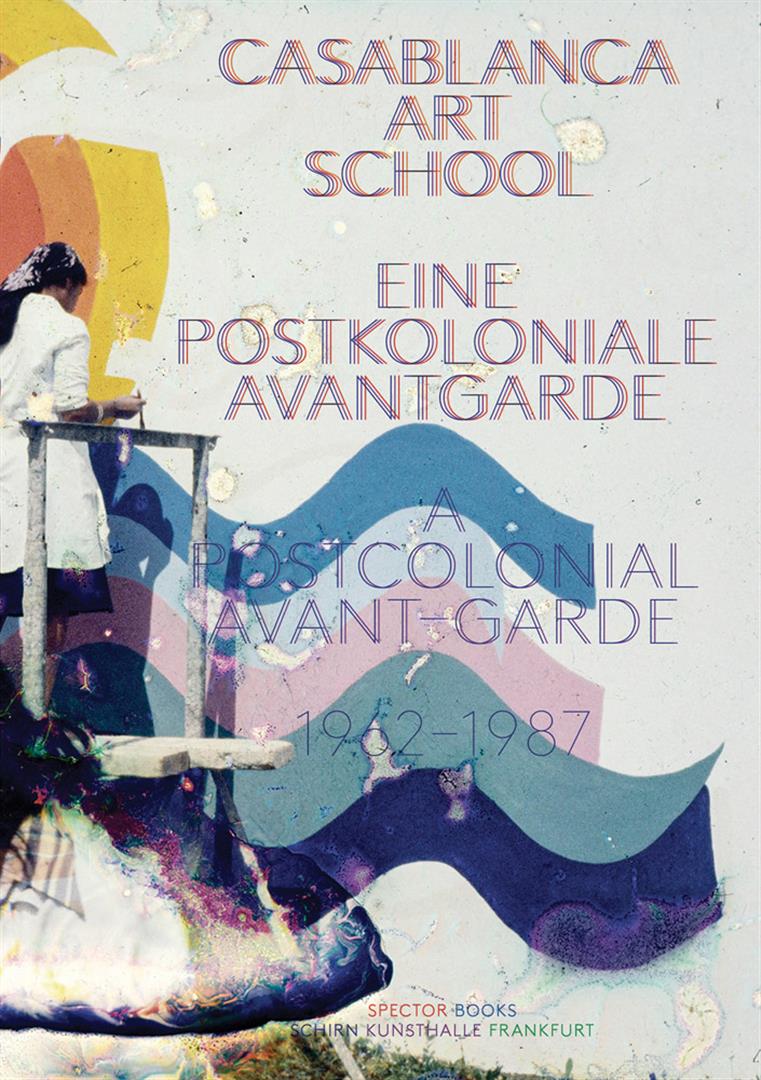
Abstract mural paintings, graphic experiments and everyday objects revealing a specifically Moroccan art scene with transnational aspirations
Just a few years after Morocco gained independence in 1956, a vibrant center of cultural renewal developed in Casablanca. This publication, featuring 160 color and black-and-white illustrations, offers a comprehensive overview of the impact of the Casablanca Art School. The main protagonists―Farid Belkahia, Mohammed Chabâa, Bert Flint, Toni Maraini and Mohamed Melehi, together with students, teachers and associated artists―feature in the book with a large number of works. Their aims combined an openness toward local history with the new social reality, including a reassessment of the relationship between art, handicrafts, design and architecture within the local context in dialogue with the ideas of the Bauhaus manifesto. These aspects are explored in more detail in an essay by Fatima-Zahra Lakrissa on Morocco’s vernacular artistic heritage and an examination of the role and significance of public space by Maud Houssais.
This book was published in conjunction with Schirn Kunsthalle Frankfurt
3 in stock
Casablanca Art School: A Postcolonial Avant-Garde 1962–1987
Casablanca Art School: A Postcolonial Avant-Garde 1962–1987 Book Description
Casablanca Art School: A Postcolonial Avant-Garde 1962–1987 invites readers into a vibrant chapter of Moroccan culture. After independence in 1956, Casablanca turned into a creative hub where artists blended local tradition with modern ideas. This English‑language volume paints a vivid portrait of that lively period, making it essential for art lovers and history enthusiasts alike.
The book showcases 160 colour and black‑and‑white images, from abstract murals to graphic experiments and everyday objects. These visuals reveal how Moroccan artists imagined a transnational future while staying rooted in their heritage. Readers will see how the school’s work echoed the Bauhaus manifesto yet spoke a distinctly Moroccan language.
Key figures such as Farid Belkahia, Mohammed Chabâa, Bert Flint, Toni Maraini and Mohamed Melehi dominate the narrative. Their artworks appear alongside pieces by students, teachers and collaborators. Throughout the text, the shared goal emerges: to rethink the relationship between art, craft, design and architecture in a newly independent society.
An insightful essay by Fatima‑Zahra Lakrissa examines Morocco’s vernacular artistic heritage, while Maud Houssais explores the role of public space in the avant‑garde movement. Both essays deepen the reader’s understanding of how local contexts shaped a bold, experimental aesthetic.
Key Features of Casablanca Art School: A Postcolonial Avant-Garde 1962–1987
Readers will appreciate the rich visual documentation, with over 150 high‑quality images that bring the era to life. Additionally, the book offers detailed biographies of the main protagonists, helping users connect personal stories with broader cultural shifts. Furthermore, each chapter pairs scholarly analysis with vivid reproductions, providing both academic depth and visual pleasure.
The publication was created in partnership with Schirn Kunsthalle Frankfurt, adding institutional credibility and ensuring meticulous curation. Moreover, the text balances scholarly insight with an accessible tone, making complex art‑historical concepts easy to grasp for a general audience.
Why Read This Book?
Fans of modern art will enjoy discovering how Moroccan creators negotiated postcolonial identity through experimental forms. Meanwhile, readers interested in cultural history will learn how the Casablanca Art School helped shape a new visual language for a nation finding its place on the world stage. Because the book blends vivid images with clear commentary, it serves as both a coffee‑table showcase and a valuable reference work.
Many readers find the focus on public space particularly compelling. The discussion shows how murals and installations transformed everyday environments, inviting citizens to engage with art in daily life. Therefore, the school’s legacy continues to influence urban aesthetics and community identity.
About This Book
Casablanca Art School: A Postcolonial Avant-Garde 1962–1987 is available at Kalimat Bookstore Online. For more details and reviews, visit the Goodreads page. Explore other top English titles in our store through the English Books section. Add this essential volume to your collection today and experience a pivotal moment in Moroccan art history.
| Author |
|---|
Only logged in customers who have purchased this product may leave a review.
Product Related
EGP1,100.00

Out of stock
EGP305.00

Out of stock
EGP620.00
EGP980.00
Reviews
There are no reviews yet.