

Abu L-’Abbas’s Neighbors


Abu L-’Abbas’s Neighbors
EGP1,130.00
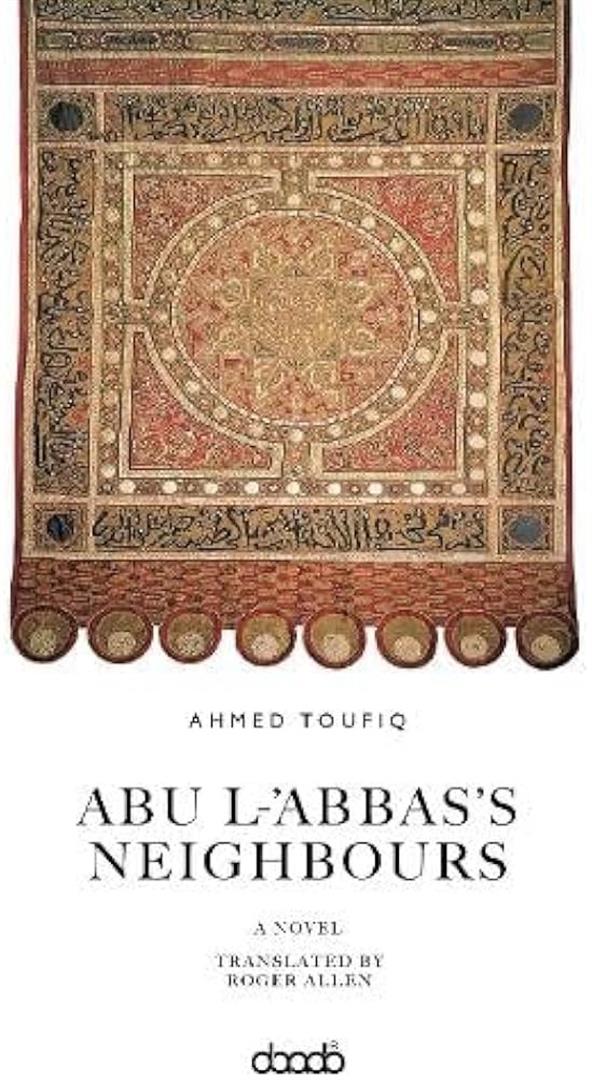
In Abu l-Abbas’s Neighbors, Ahmad Toufiq, the Moroccan Minister of Religious Affairs and a prominent figure in his country’s Sufi movements, presents his readers with a portrait of one of the country’s most significant historical Sufi figures, Abu l-Abbas as-Sabti, generally known as Si BelAbbas, with a renowned shrine in his name in the city of Marrakesh. Toufiq places his career in a fraught period of Moroccan history, as one Amazigh Muslim dynasty—the Almoravids—is challenged and eventually replaced by a yet more conservative movement—the Almohads. From their base in the capital city of Marrakesh, both dynasties control not only the territories of Morocco itself, but also large tracts of the land across the straits named after its Muslim conqueror, Tariq, namely Spain. The novel skillfully combines descriptions of the conflicts on both sides of the Straits of Gibraltar with debates over the interpretation of Islamic doctrine and the development of a variety of sciences, all placed within a social and intellectual context imbued with Sufi thought.there is the primary topic of the novel, in terms of both the historical period in which it is set, the wide geographical area that provides its physical background, and the intellectual movements that it covers. Readers find themselves learning not merely about the North African dimensions of Islamic rule in Morocco, but also its extension across the straits into Andalusia, Muslim Spain. Toufiq’s long-standing acquaintance with and devotion to the city of Marrakesh comes through clearly in this novel. As his childhood autobiography (that I have also translated) makes clear, he is totally familiar with every gate, mosque, street, alleyway, and shrine in that much fabled city, and some of that love and familiarity is inevitably reflected on the pages of this novel. The conflict between the two rival dynasties—the Almoravids and Almohads—that takes place in and around the city is depicted in vivid detail, and the title character is shown to be not only a major intellectual figure—making the acquaintance of major scholars such as Ibn Tufayl, Ibn Rushd (Averroes), and Ibn Zuhr, but also someone who has the deepest concern for the poor and sick, establishing charitable programmes and hospitals where they can be cared for and treated.The resulting narrative is a rich portrait of an era in Morocco’s history, the products of which were to have a considerable impact, via Spain, Toledo, and the monastery of Cluny in central France, on European learning during the medieval centuries.
3 in stock
Abu L-’Abbas’s Neighbors
Abu L-’Abbas’s Neighbors Book Description
Abu L-’Abbas’s Neighbors is a captivating English novel available at Kalimat Bookstore Online. Ahmad Toufiq, Morocco’s Minister of Religious Affairs and a leader in Sufi circles, brings to life Abu l‑Abbas as‑Sabti, the revered saint of Marrakesh, known to many as Si Bel‑Abbas. The story blends history, spirituality, and adventure, offering a reading experience that feels both scholarly and deeply human.
Set during a turbulent era, the novel follows the transition from the Amazigh Almoravid dynasty to the stricter Almohad movement. Both powers stem from Marrakesh and extend their influence across the Strait of Gibraltar into Muslim Spain. Toufiq illustrates how political shifts shape daily life, scientific progress, and religious debate, all through a lens colored by Sufi thought.
Readers travel beyond North‑African borders to explore the cultural exchange between Morocco and Andalusia. The narrative shows how scholars such as Ibn Tufayl, Ibn Rushd (Averroes), and Ibn Zuhr interact with Abu l‑Abbas, highlighting the saint’s role as a bridge between intellectual worlds. Meanwhile, his compassionate work for the poor and sick adds a human touch to the grand historical canvas.
Key Features of Abu L-’Abbas’s Neighbors
One of the novel’s strengths is Toufiq’s intimate knowledge of Marrakesh. He describes every gate, mosque, alley, and shrine with vivid detail, making the city itself a character in the story. This familiarity invites readers to wander the historic streets alongside the protagonists.
The conflict between the Almoravids and Almohads is portrayed with clarity and drama. Battles, political intrigue, and theological disputes unfold in a way that is easy to follow yet richly textured. Additionally, the book highlights charitable initiatives that Abu l‑Abbas founded, showing his lasting impact on health care and social welfare.
Through these elements, the novel connects medieval Moroccan history to the broader European scholarly renaissance. The ideas that traveled from Marrakesh to Toledo and even to the monastery of Cluny illustrate the far‑reaching influence of the period.
Why Read This Book?
Fans of historical fiction will enjoy the balanced mix of fact and imagination. The story educates without overwhelming, allowing readers to learn about dynastic change, Sufi spirituality, and scientific advancements in a single, engaging narrative. Moreover, the book’s accessible language makes complex topics feel approachable.
Readers will also appreciate the moral depth of Abu l‑Abbas’s character. His dedication to the needy and his support for scholars create a timeless example of compassion and knowledge. Therefore, the novel offers both an entertaining plot and meaningful life lessons.
Finally, the book serves as a cultural bridge. By exploring the ties between Morocco and Andalusia, it helps readers understand how ideas moved across borders long before modern globalization. This perspective can enrich anyone’s view of world history.
About This Book
For more detail about Abu L-’Abbas’s Neighbors and its author, visit the Goodreads page. You can also explore the best English titles in our store by following this English Books link.
| Author |
|---|
Only logged in customers who have purchased this product may leave a review.
Product Related

Out of stock

EGP550.00

EGP150.00
Reviews
There are no reviews yet.