

Photographing Egypt: Forty Years behind the Lens
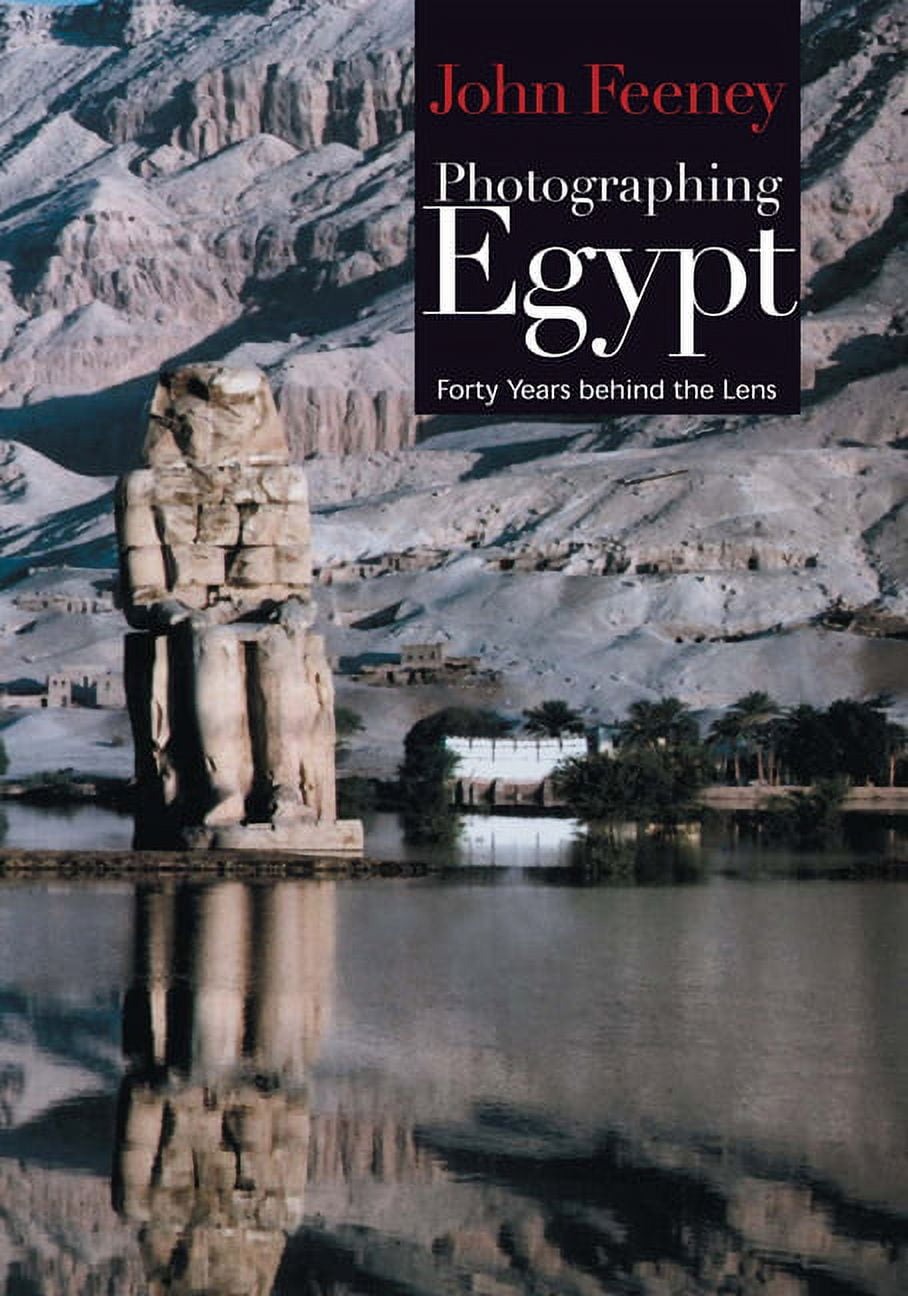


Photographing Egypt: Forty Years behind the Lens
EGP200.00
The paradoxes of nineteenth-century colonialism in the Middle East revealed through the accounts of three working class European travelers to Egypt
This book tells the stories of two French women and a French African man, travelers connected to the Saint-Simonian utopian socialists, who came to work for the Egyptian government in the 1830s. They have been marginalized and excluded from the historical record, because they were women, not part of the colonial elite, or of mixed racial heritage. This history brings them alive through extensive archival research and vibrant storytelling.
There is Suzanne Voilquin, a practicing midwife in Cairo who was involved in left-wing popular politics in Paris and became the editor of one of the first feminist newspapers ever published (1832–34). The second traveler, Thomas Ismayl Urbain, was born in French Guyana, where his mother was born a slave and his father was a French sea captain. “Jehan d’Ivray” is the pen name of the third traveler, a teenage woman who married an Egyptian studying medicine in France, and traveled with him to Egypt in 1879. She wrote more than twenty books, including a retrospective look at Suzanne Voilquin and women in the Saint-Simonian movement, bringing the story full circle to another generation.
Their stories brilliantly illustrate the paradoxes of nineteenth century colonialism in Egypt. Suzanne Voilquin grew up in the Parisian working class and sympathized deeply with Egyptians but initially exoticized the differences between Egypt and her home country, while Urbain, a literary pioneer in black pride, nevertheless joined the French army and saw his role in the colonial occupation as a means of helping indigenous people. These characters transcend the neat binary of East and West and offer a rich, nuanced window onto the experiences of French travelers in Egypt during the nineteenth century.
Out of stock
Photographing Egypt: Forty Years behind the Lens
Photographing Egypt: Forty Years behind the Lens Book Description
Photographing Egypt: Forty Years behind the Lens offers a fresh look at nineteenth‑century Egypt through the eyes of three overlooked travelers. Readers will follow two French women and a French‑African man who worked for the Egyptian government in the 1830s. Meanwhile, the book uncovers how colonial narratives erased their voices because they were neither elite nor male. Additionally, vivid archival research brings their lives to vivid, readable storytelling.
The first traveler, Suzanne Voilquin, was a midwife in Cairo who also edited one of the earliest feminist newspapers in Paris (1832‑34). Furthermore, she blended left‑wing politics with daily life in Egypt, providing a unique perspective on cultural exchange. The second, Thomas Ismayl Urbain, was born in French Guiana to a former slave mother and a French sea captain father. His mixed heritage shaped his view of colonial power, and he later joined the French army to aid local communities.
The third voice comes from “Jehan d’Ivray,” a teenage woman who married an Egyptian medical student and traveled to Egypt in 1879. Her diaries reveal personal challenges and the complex social fabric of the time. Readers can feel the paradox of loving a country while confronting its colonial reality. These stories together illustrate how gender, race, and class intersected in a rapidly changing Egypt.
Key Features of Photographing Egypt: Forty Years behind the Lens
Each chapter blends scholarly research with lively narrative, making history accessible and engaging. The author uses primary sources, letters, and newspaper excerpts to recreate everyday moments. Moreover, the book highlights the Saint‑Simonian utopian movement, showing how its ideals influenced the travelers’ work for the Egyptian state.
Photographing Egypt also includes more than twenty related works by the travelers themselves, giving readers a chance to explore original writings. This collection provides a rare window into the lives of women and people of color who shaped Egypt’s modernizing era. Additionally, vivid descriptions of Cairo’s streets, markets, and medical clinics help readers visualize the past.
Why Read This Book?
Fans of social history will appreciate the nuanced look at colonial paradoxes. The story shows how individuals could both challenge and unintentionally support imperial systems. Readers will learn how Suzanne’s working‑class background made her both sympathetic to Egyptians and prone to exoticizing differences. Meanwhile, Urbain’s pride in his black heritage coexisted with his role in the French army, offering a complex portrait of identity.
Because the book focuses on marginalized voices, it adds depth to standard Egyptology texts. It encourages readers to question simplified East‑West binaries and to explore how personal stories create richer historical understanding. Therefore, anyone seeking a compelling, human‑centered history will find this book both enlightening and enjoyable.
About This Book
Photographing Egypt: Forty Years behind the Lens is available at Kalimat Bookstore Online. More detail about the book and its author can be found on Goodreads. Also discover the best English books online in our store through this link.
| Author |
|---|
Only logged in customers who have purchased this product may leave a review.
Product Related

EGP450.00

EGP780.00

EGP299.00

EGP755.00
Reviews
There are no reviews yet.