

The Age of Outrage: How to Lead in a Polarized World
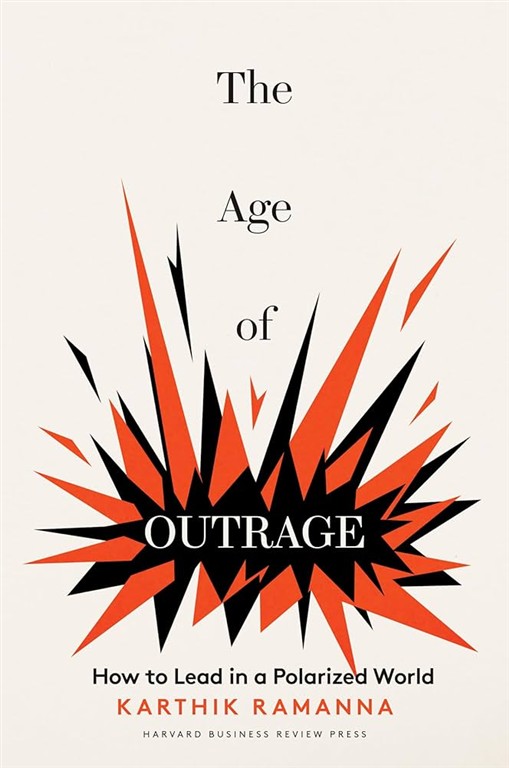


The Age of Outrage: How to Lead in a Polarized World
EGP2,085.00
“A first-of-its-kind look at the outrage gripping organizations worldwide—and how leaders can respond to it.
Outrage is everywhere—on the left and on the right—and many companies have found themselves in the crosshairs. GoFundMe was pressured to cut off funding to protesting truckers in Ottawa. Disney’s CEO was dragged down for mishandling both sides of Florida’s “”Don’t Say Gay”” law. Facebook and other tech companies have been accused of manipulating elections in many countries and by many parties.
People are angry with the world—in some cases, rightfully so—and now view companies as they do governments, as targets of their wrath and potential forces for social change. Managing outrage has moved from being an occasional leadership challenge, like handling a PR crisis, to a necessary and critical leadership capability, like strategic thinking or financial acumen.
Based on his popular University of Oxford leadership course and case studies on organizations such as IKEA, Nestlé, the Vatican, and others, Karthik Ramanna offers practical steps to make sense of the outrage, work with relevant stakeholders to progress through it, and emerge stronger for it. Ramanna’s pragmatic framework, developed through years of experience with organizations, helps leaders “”turn down the temperature,”” analyze root causes, develop and implement responses that are mission-consistent, and build resilience.
The Age of Outrage is an essential guide for leaders and their teams in this new era of polarization.”
12 in stock
The Age of Outrage: How to Lead in a Polarized World
The Age of Outrage: How to Lead in a Polarized World Book Description
Readers will discover a timely guide that explains why outrage has become a daily reality for businesses, NGOs, and governments. This English book, available at Kalimat Bookstore Online, offers a clear roadmap for leaders who must navigate fierce debate on every side of the political spectrum. Inside, Karthik Ramanna draws on his popular Oxford leadership course and real‑world cases such as IKEA, Nestlé, the Vatican, and Disney to show how leaders can turn conflict into opportunity.
The story begins with vivid examples of modern outrage. GoFundMe faced pressure to stop funding protesting truckers in Ottawa, while Disney’s CEO struggled with Florida’s “Don’t Say Gay” controversy. Meanwhile, Facebook and other tech giants have been accused of influencing elections worldwide. These incidents illustrate how companies are now viewed like governments—targets of public anger and potential agents of social change.
Managing outrage is no longer a rare crisis; it is a core leadership skill. Leaders must learn to “turn down the temperature,” identify the root causes of anger, and craft responses that align with their mission. The guide offers practical steps to engage stakeholders, communicate transparently, and build lasting resilience. Because outrage can damage reputation and profitability, mastering this skill is as essential as strategic thinking or financial acumen.
Throughout the book, Ramanna presents a pragmatic framework that helps leaders assess the intensity of outrage, decide when to act, and measure the impact of their decisions. Each chapter ends with actionable tools, checklists, and real‑life anecdotes that make the theory easy to apply. Readers will leave with confidence that they can lead their teams through polarized environments and emerge stronger.
Key Features of The Age of Outrage: How to Lead in a Polarized World
Additionally, the book includes a step‑by‑step model for cooling heated debates. This model guides leaders from initial detection of outrage to long‑term cultural change. Moreover, the case studies span multiple sectors, providing a broad perspective that any leader can relate to.
Furthermore, each chapter offers quick‑reference summaries and reflection questions. These tools help readers internalize lessons and discuss them with their teams. Meanwhile, the author’s academic background ensures that the advice is grounded in research while remaining accessible to practitioners.
Also included are downloadable templates for crisis communication plans and stakeholder maps. These resources save time and help leaders act swiftly when public sentiment spikes. Because the book balances theory with hands‑on practice, it serves both seasoned executives and emerging managers.
Why Read This Book?
Many readers will find the book’s relevance immediate. In an era where social media amplifies every grievance, leaders cannot afford to ignore the dynamics of outrage. This book shows how to listen, respond, and lead with integrity, turning potential backlash into a catalyst for positive change.
Fans of leadership literature will appreciate the blend of storytelling and actionable guidance. The narrative style keeps the content engaging, while the practical frameworks ensure that readers can apply concepts to real situations. Additionally, the book highlights how values‑driven responses can protect brand reputation and foster trust.
Finally, the guide encourages a proactive mindset. Rather than reacting to crises after they explode, leaders learn to anticipate triggers and build resilient cultures. This forward‑looking approach helps organizations thrive even as public discourse becomes more divided.
About This Book
More detail about this book and its author can be found on Goodreads. Also discover the best English books online in our store through this link.
| Author |
|---|
Only logged in customers who have purchased this product may leave a review.
Product Related

EGP135.00

Out of stock
EGP480.00


EGP680.00
Reviews
There are no reviews yet.