

History of Graphic Design. Vol. 2, 1960-Today
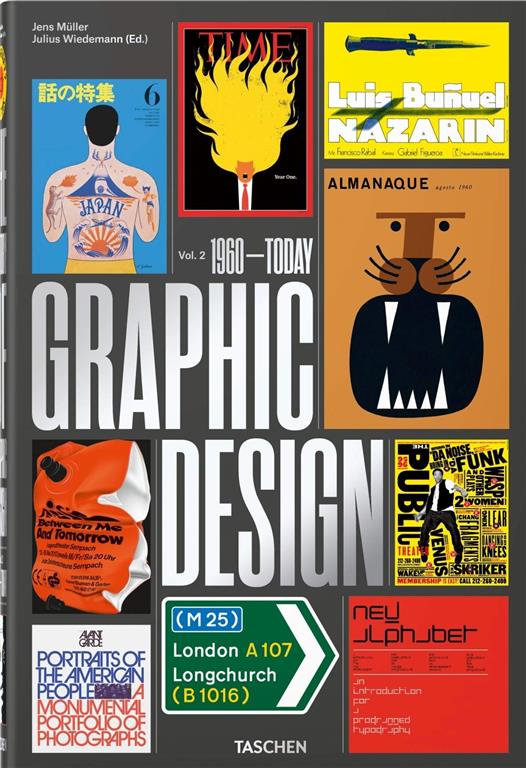


History of Graphic Design. Vol. 2, 1960-Today
EGP4,505.00
Through the turbulent passage of time, graphic designwith its vivid, neat synthesis of image and ideahas distilled the spirit of each age. Surrounding us every minute of every day, from minimalist packaging to colorful adverts, smart environmental graphics to sleek interfaces: graphic design is as much about transmitting information as it is about reflecting societys cultural aspirations and values.
This second volume rounds off our in-depth exploration of graphic design, spanning from the 1960s until today. About 3,500 seminal designs from across the globe guide us in this visual map through contemporary history, from the establishment of the International Style to the rise of the groundbreaking digital age. Around 80 key pieces go under the microscope in detailed analyses besides 118 biographies of the eras most important designers, including Massimo Vignelli (New York subway wayfinding system), Otl Aicher (Lufthansa identity), Paula Scher (Citibank brand identity), Neville Brody (The Face magazine), Kashiwa Sato (Uniqlo brand identity), and Stefan Sagmeister (handwriting posters).
With his sweeping knowledge of the field, author Jens Müller curates the standout designs for each year alongside a running sequence of design milestones. Organized chronologically, each decade is prefaced by a succinct overview as well as a stunning visual timeline, offering a vivid display of the variety of graphic production in each decade as well as the global landscape which it at once described and defined.
This collection of important graphic works represents a long-overdue reflection on the development of a creative field constantly changing and challenging itself. These key pieces act as coordinates through contemporary history, helping us trace the sheer influence of graphic design on our daily lives.
Combined with Volume Onewhich spans from the fields very beginnings until 1959the tomes offer the most comprehensive exploration of graphic design to date.
Out of stock
History of Graphic Design. Vol. 2, 1960‑Today
History of Graphic Design. Vol. 2, 1960‑Today Book Description
History of Graphic Design. Vol. 2, 1960‑Today invites readers to explore how visual communication has shaped modern life. From the rise of the International Style to the digital revolution, the book maps three‑thousand‑five‑hundred pivotal works created since the 1960s. Each design illustrates how image and idea combine to reflect cultural aspirations, solve information challenges, and inspire everyday experiences.
The second volume continues the journey begun in the first edition, covering the dynamic decades from the 1960s through today. It presents concise decade overviews, vivid timelines, and a chronological flow that helps readers see patterns and turning points. Meanwhile, detailed analyses of about eighty landmark pieces reveal the thinking behind iconic projects.
Author Jens Müller blends scholarly insight with accessible storytelling. He highlights 118 influential designers, such as Massimo Vignelli’s New York subway signage, Otl Aicher’s Lufthansa identity, Paula Scher’s Citibank brand, Neville Brody’s The Face magazine, Kashiwa Sato’s Uniqlo visuals, and Stefan Sagmeister’s handwritten posters. Readers can learn why these works matter and how they continue to influence contemporary design.
Key Features of History of Graphic Design. Vol. 2, 1960‑Today
Over three‑thousand‑five‑hundred seminal designs are showcased, providing a visual map of global design history. Additionally, the book includes high‑resolution images that let readers examine typography, color, and layout up close. Furthermore, each featured piece is accompanied by a short commentary that explains its context and impact.
Another strength is the biographical section. It offers concise profiles of the era’s most important creators, giving readers insight into their careers, philosophies, and signature projects. Moreover, the chronological structure makes it easy to trace the evolution of trends, from minimalism to maximalist digital aesthetics.
Why Read This Book?
Fans of design will enjoy a comprehensive reference that balances depth with readability. The guide helps beginners discover foundational concepts while offering seasoned professionals fresh perspectives on recent breakthroughs. Because the book connects visual history to everyday objects—packaging, advertisements, interfaces—it shows how design influences daily life.
Readers can also use the book as a teaching tool or a source of inspiration for new projects. The clear layouts, concise analyses, and vibrant visuals support quick research and creative brainstorming. Therefore, anyone interested in culture, communication, or visual storytelling will find value in this richly illustrated volume.
About This Book
For more details about the author and additional reviews, visit the Goodreads page. Explore other English titles and find the best books online at our store through this link.
| Author |
|---|
Only logged in customers who have purchased this product may leave a review.
Product Related

Out of stock

Out of stock
EGP755.00

Out of stock
EGP800.00

EGP2,250.00
Reviews
There are no reviews yet.