

Dior: by Christian Dior (1947-1957)
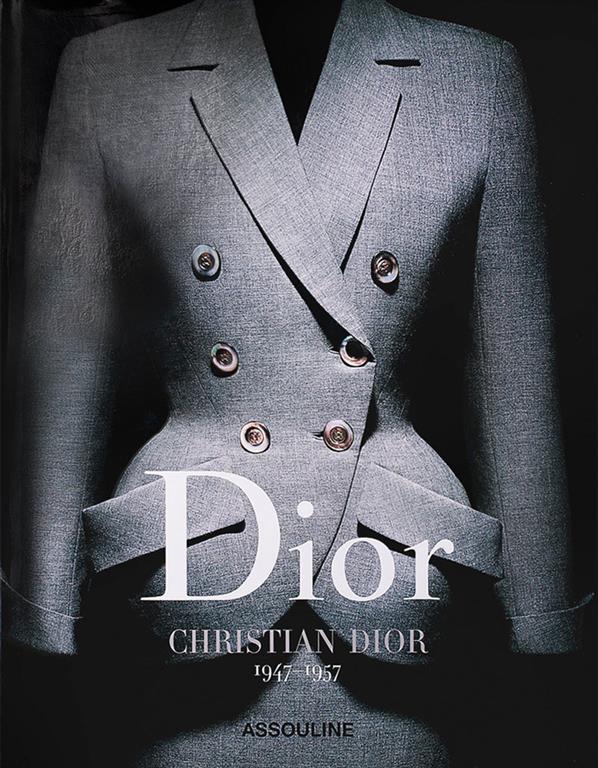


Dior: by Christian Dior (1947-1957)
Dior: by Christian Dior (1947-1957) Book Description
Readers will discover a vivid portrait of Christian Dior’s most influential decade in Dior: by Christian Dior (1947-1957). This English‑language volume captures the excitement that followed the launch of the “New Look” and traces the brand’s rise to global fame. Inside, the author blends archival photographs, personal letters, and contemporary critiques to create an engaging story that feels both intimate and grand. Fans of fashion history will enjoy the clear narrative that balances factual detail with lively storytelling, making the book an essential addition to any collection.
Throughout the ten chapters, the book explores how Dior’s designs reflected post‑war optimism and transformed women’s wardrobes. Moreover, each chapter highlights a key collection, offering readers insight into the creative process behind iconic silhouettes. Meanwhile, the text examines the business decisions that kept the house thriving after Dior’s death. Consequently, the reader gains a thorough understanding of both artistic vision and entrepreneurial skill.
Additionally, the book includes rare sketches and production notes that rarely appear in other publications. These visual elements help readers visualize the evolution of each garment from concept to runway. Therefore, the experience feels like a personal tour of Dior’s studio, guided by someone who truly knew the designer’s mind.
Key Features of Dior: by Christian Dior (1947-1957)
The guide presents a chronological timeline that makes it easy to follow Dior’s creative journey. Each year is marked by a concise overview, followed by detailed analysis of the most celebrated collections. Readers can quickly locate information about specific years, thanks to clear headings and a helpful index at the back of the book.
Furthermore, the author weaves in cultural context, showing how global events influenced design choices. For example, the 1954 “Haut‑Couture” collection is discussed alongside the rise of television, illustrating how media exposure shaped fashion trends. This approach helps readers connect fashion history with broader societal shifts.
Another standout feature is the inclusion of first‑hand testimonies from Dior’s collaborators. These anecdotes add depth and personality, turning the narrative into a lively conversation rather than a dry academic text. Consequently, the book feels both informative and entertaining.
Why Read This Book?
Many readers seek a comprehensive yet accessible account of Dior’s golden years, and this book delivers exactly that. It balances scholarly research with a conversational tone, making it suitable for students, professionals, and casual enthusiasts alike. Readers will appreciate the balanced mix of images and text, which keeps the pacing smooth and engaging.
Fans of design will learn how Dior’s innovative use of fabrics and silhouettes set new standards for elegance. Meanwhile, entrepreneurs can uncover lessons on brand building and longevity from a fashion powerhouse that still dominates the market today. Moreover, the book’s clear language ensures that complex ideas are easy to grasp without sacrificing depth.
Because the content is organized into bite‑size sections, it invites quick reference as well as deep reading. Whether you are researching a paper or simply exploring a love for couture, this volume serves as a reliable companion.
About This Book
More detail about this book and its author can be found on Goodreads. Also discover the best English books online in our store through this Kalimat Bookstore link. Purchase Dior: by Christian Dior (1947-1957) today and experience a decade of fashion brilliance presented in a readable, richly illustrated format.
| Author |
|---|
Only logged in customers who have purchased this product may leave a review.
Product Related

Out of stock
Out of stock
EGP755.00
Out of stock
EGP800.00
EGP2,250.00
Reviews
There are no reviews yet.