

History of Sexuality 4: Confessions of the Flesh
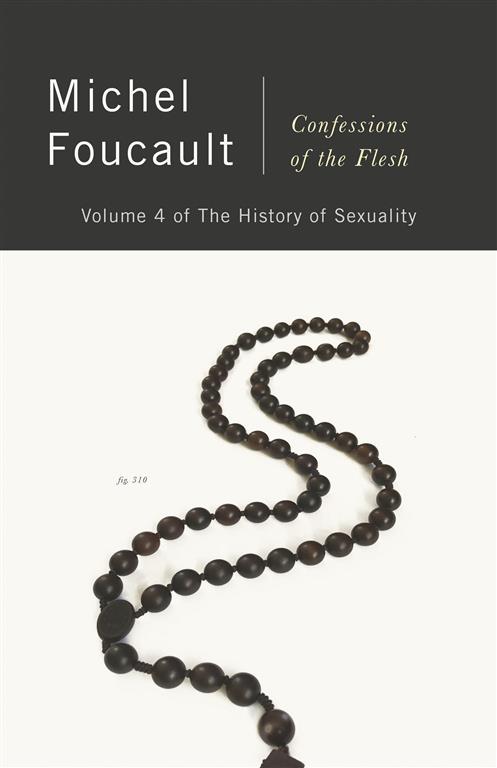


History of Sexuality 4: Confessions of the Flesh
History of Sexuality 4: Confessions of the Flesh Book Description
Readers will discover a fresh look at the body in History of Sexuality 4: Confessions of the Flesh. This volume continues Michel Foucault’s groundbreaking series, turning the lens toward the lived experiences of flesh. The writing is clear, the arguments are vivid, and the style invites both scholars and curious readers to explore how power shapes our most intimate moments.
Fans of critical theory will enjoy how the book blends history, philosophy, and cultural analysis. Throughout the chapters, Foucault examines medical discourses, religious teachings, and social norms that have governed the body for centuries. Meanwhile, he also asks what the body tells us about freedom, resistance, and identity in modern societies.
Inside, the author presents case studies from Europe and beyond. These examples show how ordinary people negotiated bodily norms in everyday life. Additionally, the book highlights the shift from viewing the body as a passive object to recognizing it as an active participant in power relations.
Moreover, the text is organized in a way that guides readers step by step. Each section builds on the previous one, helping the audience grasp complex ideas without feeling overwhelmed. Therefore, the book serves as both a scholarly resource and an engaging narrative.
Key Features of History of Sexuality 4: Confessions of the Flesh
Readers can expect concise chapters that focus on specific historical periods. The author uses clear language, making dense concepts accessible to a wide audience. Furthermore, the book includes extensive footnotes and a bibliography for those who wish to dig deeper.
Another strength is the interdisciplinary approach. Foucault draws from anthropology, law, and medicine, offering a rich tapestry of perspectives. This variety helps readers see how different fields intersect when discussing the flesh.
Additionally, the edition available at Kalimat Bookstore Online is printed on high‑quality paper, ensuring durability for study groups and personal libraries alike.
Why Read This Book?
Many readers find that the book challenges conventional ideas about gender, health, and morality. It encourages critical thinking about how societies regulate bodies and why those regulations matter today. Consequently, readers often feel empowered to question normative assumptions in their own lives.
Fans of contemporary debates on sexuality will find the historical context especially useful. The insights help frame modern discussions about consent, body autonomy, and digital surveillance. Moreover, the work’s relevance extends beyond academia, resonating with activists, educators, and anyone interested in personal freedom.
Because the narrative connects past and present, the book offers a timeless lesson: understanding the history of bodily control can inspire new forms of resistance. Readers therefore leave the book with both knowledge and a sense of agency.
About This Book
More detail about this book and its author can be found on Goodreads. Also, discover the best English books online in our store through this link. This edition is ready for immediate shipping from Kalimat Bookstore Online, bringing you a compelling reading experience today.
| Author |
|---|
Only logged in customers who have purchased this product may leave a review.
Product Related


EGP495.00

Out of stock
EGP780.00

Out of stock
EGP1,630.00
Reviews
There are no reviews yet.