

Humanist Perspectives on Sacred Space
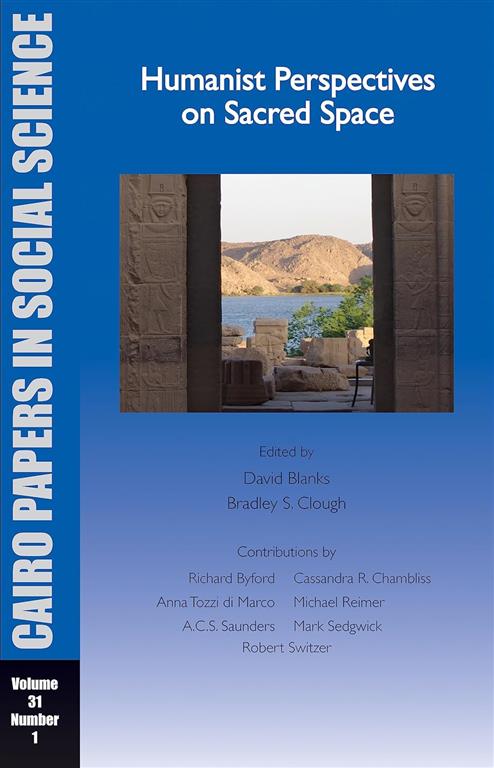


Humanist Perspectives on Sacred Space
Humanist Perspectives on Sacred Space Book Description
Readers will discover a fresh look at how people create meaning in places that feel holy. This English book invites you to explore the meeting point of culture, belief, and everyday life. Inside, the author blends stories, interviews, and research to show how sacred spaces shape identity. Meanwhile, the writing remains clear and inviting, making complex ideas easy to follow. Because of its human‑centered approach, the book offers a compelling reading experience for anyone curious about faith, architecture, or community.
The story travels from ancient temples to modern museums, highlighting how ordinary people assign value to walls, rooms, and landscapes. Throughout the chapters, the author examines rituals, symbols, and personal memories that turn a simple site into a source of comfort. Additionally, each case study includes vivid examples that help you visualize the space being described. Therefore, you gain a deeper appreciation for the power of place in everyday life.
Fans of cultural studies will enjoy the balanced mix of theory and real‑world observation. Moreover, the book avoids dense jargon, allowing a broad audience to stay engaged. The narrative flows smoothly from one example to the next, keeping the reading momentum strong. As a result, the book feels both scholarly and accessible, a rare combination that many readers value.
Key Features of Humanist Perspectives on Sacred Space
This guide presents more than 20 case studies from continents around the globe. Each study illustrates how locals reinterpret sacredness in modern contexts. The author also includes reflective questions at the end of chapters, encouraging readers to apply insights to their own surroundings. Furthermore, the book is richly illustrated with photographs that bring each space to life.
Inside, you will find concise summaries that highlight the main ideas of each chapter. These summaries help you review key points quickly. The layout uses clear headings and bullet‑style lists, making it easy to locate information. Also, the author provides a bibliography for those who wish to explore topics further.
Why Read This Book?
Readers can expand their worldview by seeing how sacredness is not limited to religion alone. The book shows that personal meaning can arise in parks, schools, and even online forums. Because it focuses on human experiences, the text resonates with those who value empathy and connection. Moreover, the insights can inspire architects, planners, and community leaders to design more inclusive spaces.
Many readers report that the book changes how they notice their own environment. After finishing, you may find yourself asking why certain corners feel comforting or unsettling. This curiosity leads to a richer daily life and deeper conversations with others. Therefore, the book offers lasting value beyond its pages.
About This Book
Humanist Perspectives on Sacred Space is available now at Kalimat Bookstore Online. For more detail about the author and reader reviews, visit the Goodreads page. Also, explore other top English titles in our store through this English Books link. Enjoy a reading experience that enlightens, engages, and invites you to see the world anew.
| Author |
|---|
Only logged in customers who have purchased this product may leave a review.
Product Related

Out of stock

Out of stock
EGP420.00

Out of stock
EGP440.00

EGP1,175.00
Reviews
There are no reviews yet.