

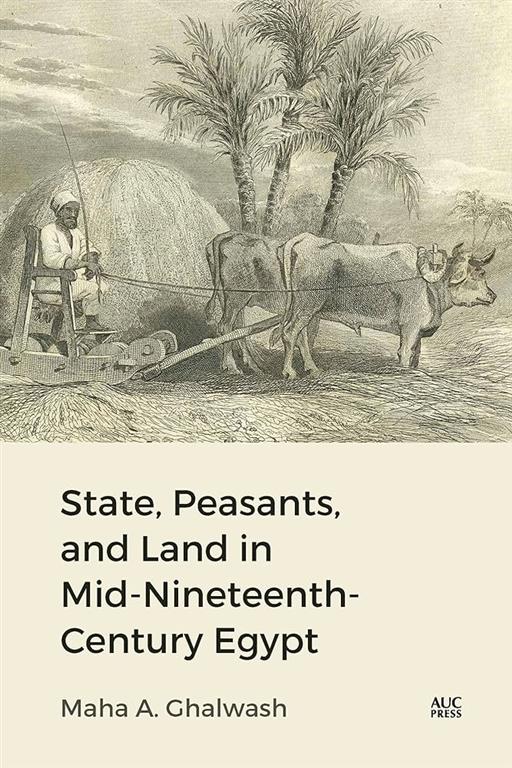
State, Peasants, and Land in Mid-Nineteenth-Century Egypt

State, Peasants, and Land in Mid-Nineteenth-Century Egypt
EGP1,300.00
4 in stock
State, Peasants, and Land in Mid-Nineteenth-Century Egypt
State, Peasants, and Land in Mid-Nineteenth-Century Egypt Book Description
Readers will find State, Peasants, and Land in Mid-Nineteenth-Century Egypt a vivid portrait of a transformative era in Egypt. The book explores how the state, rural communities, and land policies intertwined during a period of rapid change. It offers clear explanations, lively examples, and fresh insights that make complex history easy to understand.
Inside this work, the author examines the shifting power dynamics between the Ottoman‑influenced government and the everyday farmer. Meanwhile, the narrative highlights how land reforms impacted livelihoods, social structures, and the emerging national identity. Additionally, the book uses a blend of archival sources and personal stories, ensuring the past feels both scholarly and personal.
Fans of social history will enjoy the balanced approach that combines macro‑level analysis with micro‑level anecdotes. Furthermore, the text draws connections between mid‑nineteenth‑century reforms and later developments that shaped modern Egypt. Readers can therefore appreciate how historical decisions still echo in today’s agricultural policies.
Key Features of State, Peasants, and Land in Mid-Nineteenth-Century Egypt
Many readers will notice the book’s clear structure, which breaks the era into thematic chapters. Each chapter begins with a concise overview, followed by detailed case studies that bring statistics to life. Moreover, the author includes maps, tables, and primary‑source excerpts that help visual learners grasp the material quickly.
Another standout feature is the emphasis on everyday voices. The author lets peasants speak through letters, court records, and memoirs, allowing readers to hear the hopes and frustrations of those who actually worked the land. This approach creates empathy and deepens understanding of how policy affected real lives.
Finally, the book offers a comparative lens, briefly comparing Egypt’s reforms with those in contemporary Ottoman territories. This comparative angle helps readers place Egypt within a broader regional context, enriching the overall reading experience.
Why Read This Book?
Readers will discover that the book provides a fresh perspective on a pivotal moment in Egyptian history. It is ideal for students, teachers, and anyone curious about how land, power, and people interact. Because the language is accessible, the book invites both novices and seasoned historians to explore the subject without feeling overwhelmed.
Furthermore, the book’s engaging storytelling makes it a rewarding leisure read. You can easily pause after each chapter and reflect on how the past informs current debates about land ownership and rural development. Therefore, the book serves as both an educational resource and an enjoyable narrative.
Additionally, the author’s meticulous research ensures that every claim is backed by reliable evidence. This scholarly rigor, combined with a readable style, means the book can be cited in academic work while still being pleasurable for casual readers.
About This Book
State, Peasants, and Land in Mid-Nineteenth-Century Egypt is available now at Kalimat Bookstore Online. For more details about the author and reader reviews, check this Goodreads link. Explore more top English titles in our store by visiting our English Books collection. Happy reading!
| Author |
|---|
Only logged in customers who have purchased this product may leave a review.
Product Related

Out of stock
EGP755.00

Out of stock

Out of stock
EGP220.00
Reviews
There are no reviews yet.