

On the Genealogy of Morals: A Polemic
On the Genealogy of Morals: A Polemic
EGP755.00
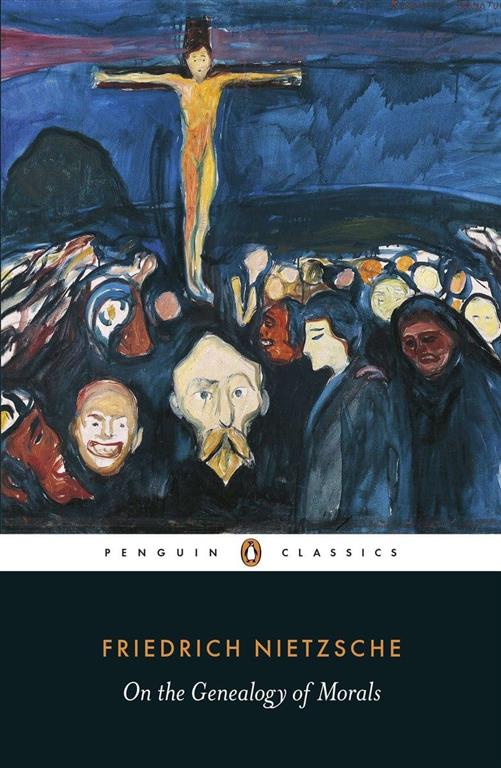
The companion book to Beyond Good and Evil, the three essays included here offer vital insights into Nietzsche’s theories of morality and human psychology.
Nietzsche claimed that the purpose of The Genealogy of Morals was to call attention to his previous writings. But in fact the book does much more than that, elucidating and expanding on the cryptic aphorisms of Beyond Good and Evil and signalling a return to the essay form. In these three essays, Nietzsche considers the development of ideas of ‘good’ and ‘evil’; explores notions of guilt and bad consience; and discusses ascetic ideals and the purpose of the philosopher. Together, they form a coherent and complex discussion of morality in a work that is more accessible than some of Nietzsche’s previous writings.
Out of stock
On the Genealogy of Morals: A Polemic
On the Genealogy of Morals: A Polemic Book Description
Readers will discover On the Genealogy of Morals: A Polemic at Kalimat Bookstore Online, an engaging English edition that brings Friedrich Nietzsche’s provocative ideas to life. This volume gathers three powerful essays that act as a companion to *Beyond Good and Evil*. Meanwhile, the text offers fresh insight into Nietzsche’s views on morality, guilt, and the role of the philosopher. Because the work expands on cryptic aphorisms, it creates a more approachable entry point for anyone curious about his thought.
The story begins with Nietzsche’s critique of traditional moral values. Fans of philosophical inquiry will enjoy his analysis of how concepts of “good” and “evil” evolved over centuries. Additionally, the author explores the origins of guilt and the feeling of a bad conscience. Moreover, he examines the ascetic ideal and its impact on culture. Each essay builds on the previous one, forming a coherent discussion that feels both deep and readable.
Inside the book, Nietzsche links his earlier writings to contemporary concerns. Readers can see how his ideas challenge modern assumptions about right and wrong. Furthermore, the essays highlight the return to a more essay‑like format, which many scholars find refreshing. Consequently, the work serves both as a bridge to *Beyond Good and Evil* and as a standalone exploration of moral psychology.
Many readers appreciate the accessible language used throughout the volume. The author breaks complex concepts into short, clear statements, making it easier to follow his arguments. Also, the text includes vivid examples that illustrate the development of moral codes. Therefore, students, teachers, and casual readers alike can benefit from this rich philosophical journey.
Key Features of On the Genealogy of Morals: A Polemic
Each of the three essays focuses on a distinct theme, providing a layered understanding of morality. The first essay investigates the historical emergence of “good” and “evil.” The second essay delves into guilt, bad conscience, and their psychological roots. The third essay critiques ascetic ideals and asks why philosophers should care about these issues. Additionally, the book features an introduction that situates the essays within Nietzsche’s broader corpus.
Readers will also find that the work is structured for easy navigation. Short chapters and clear headings guide the eye, while the language remains faithful to Nietzsche’s original tone. Moreover, the edition includes helpful footnotes that explain key terms without overwhelming the reader. This combination of scholarly rigor and readability makes the book a valuable resource for both beginners and advanced students.
Why Read This Book?
Fans of philosophical literature will enjoy how the book challenges conventional moral thinking. It encourages readers to question inherited values and consider the psychological forces behind them. Because Nietzsche writes with vigor and wit, the reading experience feels lively rather than academic. Additionally, the essays serve as a practical guide for anyone interested in ethics, psychology, or cultural critique.
Many readers report that the book sparked lively discussions in study groups and classrooms. The clear arguments help participants explore complex ideas without getting lost in jargon. Therefore, owning this edition offers both personal enrichment and a tool for thoughtful dialogue. It also provides a solid foundation for further exploration of Nietzsche’s other works.
About This Book
More detail about this book and its author can be found on Goodreads. Also discover the best English books online in our store through this link. Enjoy a compelling reading experience with On the Genealogy of Morals: A Polemic today.
| Author |
|---|
Only logged in customers who have purchased this product may leave a review.
Product Related

EGP495.00
Out of stock
EGP780.00
Out of stock
EGP1,630.00
Reviews
There are no reviews yet.