

Four Ways of Thinking: Statistical, Interactive, Chaotic and
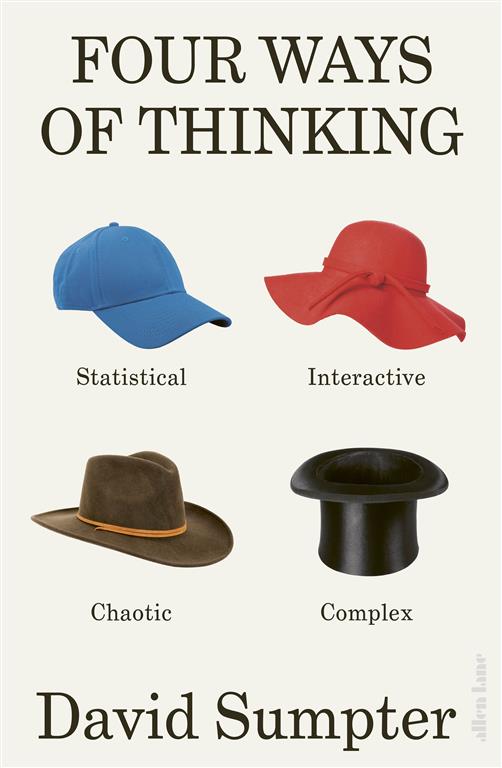

Four Ways of Thinking: Statistical, Interactive, Chaotic and
EGP1,430.00
The acclaimed mathematician and author of The Ten Equations That Rule the World explains the quartet of easily applied approaches to the problems we all face on a daily basis.
Acclaimed mathematician David Sumpter shows how we can deal with the chaos and complexity of our lives.
What is the best way to think about the world? How often do we consider how our own thinking might impact the way we approach our daily decisions? Could it help or hinder our relationships, our careers, or even our health? Thinking about thinking is something we rarely do, yet it is something science questions all the time. David Sumpter has spent decades studying what we could all learn from the mindsets of scientists, and Four Ways of Thinking is the result.
Here he reveals the four easily applied approaches to our problems: statistical, interactive, chaotic and complex. Combining engaging personal experience with practical advice and inspiring tales of ground-breaking scientific pioneers (with a tiny bit of number crunching along the way), Sumpter explains how these tried and tested methods can help us with every conundrum, from how to bicker less with our partners to pitching to a tough crowd – and in doing so change our lives.
2 in stock
Four Ways of Thinking: Statistical, Interactive, Chaotic and
Four Ways of Thinking: Statistical, Interactive, Chaotic and Book Description
Four Ways of Thinking: Statistical, Interactive, Chaotic and is an engaging English title now available at Kalimat Bookstore Online. The book invites readers to explore four simple mind‑sets that can improve everyday decisions. Author David Sumpter, the mathematician behind The Ten Equations That Rule the World, shows how each approach can turn confusion into clarity. Whether you want to argue less, pitch better, or just feel less stressed, this guide provides practical steps you can start using today.
Readers will discover why scientists think the way they do and how those habits translate to daily life. Throughout the chapters, Sumpter blends personal anecdotes with stories of pioneering researchers. Meanwhile, he adds just enough number crunching to keep the ideas concrete without overwhelming the reader. Additionally, each method—statistical, interactive, chaotic, and complex—is explained in plain language, making it easy to apply at work, at home, or in relationships.
The story of each thinking style is built around real‑world examples. For instance, the statistical mindset helps you weigh evidence before making a big purchase. The interactive approach encourages you to ask better questions in conversations. The chaotic perspective reminds you to embrace uncertainty when planning a project. Finally, the complex view teaches you to see patterns in seemingly unrelated events. Therefore, the book serves as a toolbox for anyone who wants to think more clearly.
Key Features of Four Ways of Thinking: Statistical, Interactive, Chaotic and
Each chapter ends with quick exercises that reinforce the core idea. Moreover, the exercises are short enough to fit into a coffee break. The book also includes a glossary of key terms, so readers never feel lost in jargon. Furthermore, color‑coded diagrams illustrate how the four mind‑sets interact, helping visual learners grasp the concepts fast. Readers can also access a companion website for extra case studies and downloadable worksheets.
Inside the pages you will find inspiring stories of scientific pioneers who used these methods to solve major problems. Additionally, the author shares his own failures and successes, adding authenticity to the advice. The writing style is conversational, which makes complex ideas feel approachable. Finally, the practical tips are organized in bullet points for easy reference during a busy day.
Why Read This Book?
The guide offers a fresh way to look at everyday challenges. Many readers report reduced arguments with partners after applying the interactive mindset. Also, professionals note better presentation outcomes when they use the statistical approach. Because the book combines theory with actionable steps, it works for both curious beginners and seasoned thinkers. Moreover, the four methods are flexible enough to adapt to any field, from business to parenting.
Readers will leave the book feeling empowered to change their thought patterns. The author’s clear explanations make it simple to shift from a reactive to a proactive mindset. Additionally, the blend of stories, science, and exercises creates an enjoyable learning experience. Therefore, anyone looking to improve decision‑making, creativity, or relationships will find value in these pages.
About This Book
For more details about Four Ways of Thinking: Statistical, Interactive, Chaotic and and its author, visit the Goodreads page. Explore other top English titles in our store through this English Books link. Enjoy a reading experience that not only informs but also transforms the way you think.
| Author |
|---|
Only logged in customers who have purchased this product may leave a review.
Product Related


Out of stock
EGP715.00

EGP1,495.00

Out of stock
EGP980.00
Reviews
There are no reviews yet.