

Contemporary Japanese Architecture
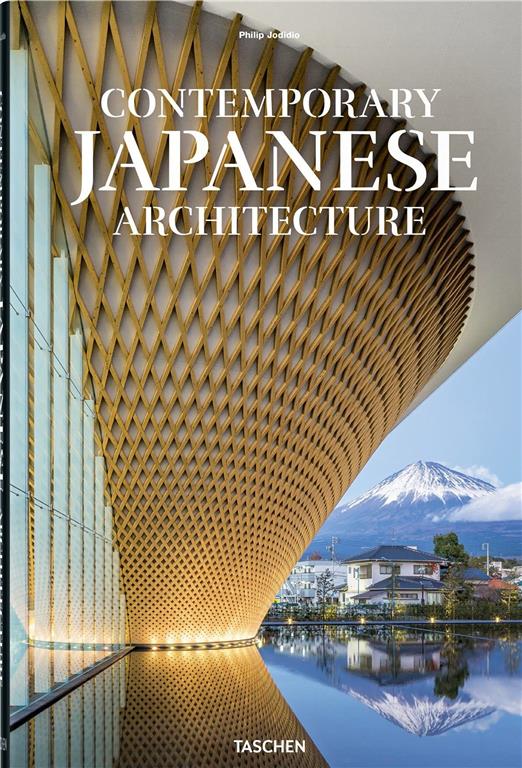


Contemporary Japanese Architecture
Contemporary Japanese Architecture Book Description
Readers will find Contemporary Japanese Architecture a vivid tour of Japan’s modern building scene. This English‑language volume is available at Kalimat Bookstore Online, and it invites lovers of design to explore striking structures from Tokyo to Osaka. Inside, the book blends clear photographs with concise essays, making each chapter feel both informative and inspiring. Moreover, the layout encourages a relaxed reading pace, so you can enjoy the visual journey without feeling overwhelmed.
Fans of architecture will appreciate how the author highlights the blend of tradition and innovation. Throughout the pages, you will see how timber, concrete, and glass combine to create spaces that respect heritage while embracing the future. Meanwhile, each project is presented with a brief background, design intent, and key details, helping readers understand the story behind the structure. Additionally, the book includes interviews with leading Japanese architects, giving personal insight into their creative processes.
Many readers find the visual quality of the photographs particularly compelling. The images capture light, shadow, and material texture, allowing you to feel the atmosphere of each building. Furthermore, the captions are written in plain language, so even those new to architectural terminology can follow along. This approach makes the book suitable for students, professionals, and anyone curious about modern design trends in Japan.
Key Features of Contemporary Japanese Architecture
The guide offers more than 100 full‑color photographs that showcase award‑winning projects and hidden gems alike. Each photo is paired with a short analysis that explains why the design works and how it reflects Japanese culture. Also, a glossary of common terms appears at the end, helping readers quickly locate definitions. Meanwhile, a timeline outlines major milestones in Japan’s post‑war architectural evolution, providing context for the featured works.
Inside the chapters, you will discover case studies of residential, commercial, and public buildings. The author selects projects that demonstrate sustainable practices, such as passive cooling and renewable materials. Moreover, the book discusses how these eco‑friendly solutions respond to Japan’s dense urban environment and frequent natural challenges. Readers can therefore see how contemporary architects balance aesthetic ambition with environmental responsibility.
Why Read This Book?
Readers will gain a fresh perspective on how modern Japanese architecture shapes everyday life. The book reveals how designers integrate nature, technology, and cultural memory into spaces that feel both cutting edge and comforting. Additionally, it encourages you to think about your own surroundings and inspires creative ideas for future projects. Because the content is easy to digest, you can skim sections or read cover to cover without losing the overall narrative.
Fans of travel and design will enjoy the book’s narrative flow, which moves from bustling cityscapes to serene rural retreats. Each transition is marked by clear headings and concise introductions, making it simple to follow the story. Moreover, the author’s engaging writing style keeps the tone lively, turning technical details into fascinating anecdotes. As a result, the reading experience feels both educational and enjoyable.
About This Book
More detail about this book and its author can be found on Goodreads. Also, discover the best English books online in our store through this link. Enjoy exploring the dynamic world of Contemporary Japanese Architecture and add this inspiring volume to your collection today.
| Author |
|---|
Only logged in customers who have purchased this product may leave a review.
Product Related

Out of stock

Out of stock
EGP900.00

Out of stock
EGP280.00

Reviews
There are no reviews yet.