

US Navy Armored Cruisers 1890-1933
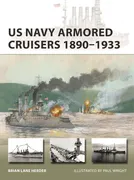


US Navy Armored Cruisers 1890-1933
US Navy Armored Cruisers 1890-1933 Book Description
Explore the bold history of the US Navy’s armored cruisers from 1890 to 1933. This book charts how these steel giants shaped America’s rise to naval power. Readers will discover how speed and range replaced brute force in early warship design.
In the dawn of the “Steel Navy,” armored cruisers appeared as the forerunners of battlecruisers. They traded heavy armament for greater speed and extended range. The result was a new class of ships that could patrol oceans and protect trade routes.
Controversy surrounded these vessels. They cost as much as battleships but could not survive a battle against them. Critics argued that “naval wars are not won by running away from stronger ships.” Yet the author shows how successfully they served in commerce raiding, protection, and even as gunboats.
After 1906, some armored cruisers replaced battleships in the Pacific, acting as oversized gunboats. The modified cruiser Pennsylvania famously hosted the first shipboard airplane landing, a milestone in naval aviation history.
Key Features of US Navy Armored Cruisers 1890-1933
On November 5, 1915, the cruiser North Carolina became the first to launch an aircraft from a catapult while underway, illustrating the ships’ versatility.
Following World War I, surviving armored cruisers represented the US Navy in Asia until the last one was scuttled in 1946. These ships proved invaluable in defensive and escort roles throughout their service.
The book combines vivid color illustrations, historic photos, and detailed analysis. It brings to life the controversial yet fascinating story of a ship type that bridged old and new naval warfare.
Why Read This Book?
Readers will gain a clear understanding of how armored cruisers fit into the broader naval strategy and technology shifts of the early 20th century. The narrative is accessible to history lovers and casual readers alike, avoiding dense jargon.
The engaging layout and plentiful visual aids make complex topics easy to grasp. Fans of maritime history will enjoy the behind-the-scenes look at ship design, deployment, and the personalities that shaped them.
By focusing on speed, range, and strategic flexibility, the book highlights lessons still relevant to modern naval planning. These insights provide value to scholars, students, and anyone curious about America’s maritime heritage.
About This Book
For more details, view the book on Goodreads. Discover additional English titles in our store at Kalimat Store.
Be the first to review “US Navy Armored Cruisers 1890-1933”
Product Related

EGP1,050.00

Out of stock

Out of stock
EGP360.00

EGP215.00
Reviews
There are no reviews yet.