

The Fragmentation of Palestine: Identity and Isolation Since the Second Intifada
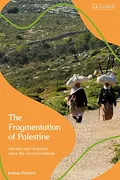


The Fragmentation of Palestine: Identity and Isolation Since the Second Intifada
The Fragmentation of Palestine: Identity and Isolation Since the Second Intifada
The Fragmentation of Palestine: Identity and Isolation Since the Second Intifada Book Description
Readers will find The Fragmentation of Palestine: Identity and Isolation Since the Second Intifada both compelling and accessible. This English‑language work, available at Kalimat Bookstore Online, explores how the second intifada reshaped Palestinian society. Inside, the author blends personal narratives with scholarly insight, offering a clear view of daily life under siege. Moreover, the book invites you to understand the deep social changes that occurred after 2000.
The story focuses on Nablus and its surrounding villages. Meanwhile, Joshua Rickard describes the physical division of neighborhoods caused by long‑term military restrictions. He shows how families adapted to ever‑changing rules and how isolation became a daily reality. Additionally, the narrative captures the emotional weight of living in a fragmented community.
Throughout the text, the author highlights various forms of social fragmentation. Furthermore, he links these patterns to the broader uncertainty that defines Palestinian existence. Readers can see how isolation affects identity, culture, and hope. Because of this, the book offers more than a history; it presents a lived experience.
Key Features of The Fragmentation of Palestine: Identity and Isolation Since the Second Intifada
Fans of contemporary Middle‑East studies will appreciate the book’s vivid fieldwork. It includes interviews, photographs, and maps that bring Nablus to life. The author also provides concise summaries at the end of each chapter, helping readers retain key points. Moreover, the text balances academic rigor with storytelling, making complex topics easy to grasp.
Another strength is the examination of possible social reforms. The book suggests ways communities might rebuild ties beyond traditional political debates. Readers will discover fresh perspectives on resilience and cooperation. Additionally, the work invites further discussion among scholars and activists alike.
Why Read This Book?
Many readers seek insight into modern Palestinian life beyond headlines. This book delivers that insight with clarity and empathy. It helps you explore how long‑term siege reshapes identity and daily routines. Therefore, it serves as a valuable resource for students, educators, and anyone curious about the region.
Moreover, the narrative encourages reflection on broader themes of isolation and community. It shows how people find meaning even when cut off from surrounding societies. As a result, the book offers both emotional depth and intellectual growth.
About This Book
For more details about the author and reviews, visit the Goodreads page. Explore additional English titles in our store by clicking the Books category. Enjoy a thoughtful read that connects history, personal story, and future possibilities.
Only logged in customers who have purchased this product may leave a review.
Product Related

Out of stock

Out of stock

Out of stock

Out of stock
EGP290.00
Reviews
There are no reviews yet.