

Stacked Decks: Building Inspectors and the Reproduction of Urban Inequality
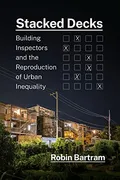


Stacked Decks: Building Inspectors and the Reproduction of Urban Inequality
EGP10,018.00
Stacked Decks: Building Inspectors and the Reproduction of Urban Inequality
Stacked Decks: Building Inspectors and the Reproduction of Urban Inequality Book Description
Readers will discover a powerful investigation into how city building inspectors shape the homes we live in. This book offers an eye‑opening look at the everyday decisions that keep neighborhoods divided. The story follows Chicago’s inspectors as they enforce codes in a city marked by redlining, uneven taxes, and biased spending. Meanwhile, sociologist Robin Bartram reveals the hidden patterns behind each citation. Because these officials work mostly behind the scenes, their impact often goes unnoticed—but it is real and far‑reaching.
Throughout the chapters, the author explores how predominantly white, male inspectors recognize the unequal landscape they operate within. Yet they frequently must choose between strict enforcement and the realities of low‑income residents. Additionally, Bartram shows how discretionary power can either reinforce or challenge systemic bias. Moreover, the book presents vivid case studies that illustrate the human side of policy decisions.
Fans of urban sociology will enjoy the blend of data, personal stories, and policy analysis. The narrative balances statistical insight with on‑the‑ground anecdotes, making complex ideas accessible. Furthermore, each section ends with clear takeaways that help readers connect the dots between inspection practices and broader housing inequality.
Key Features of Stacked Decks: Building Inspectors and the Reproduction of Urban Inequality
Readers can explore detailed interviews with inspectors who grapple with conflicting duties. The book also includes maps that visualize redlined districts and tax disparities. Additionally, Bartram provides a concise glossary of building‑code terms, ensuring that non‑experts stay engaged. Meanwhile, each chapter highlights specific moments when an inspector’s choice either helped a family or deepened inequity. These features together create an immersive learning experience.
Moreover, the author integrates recent court cases that show how legal challenges can reshape inspection standards. The text also draws connections between local policies and national trends, helping readers see the bigger picture. Because the writing remains straightforward, the book invites both students and general readers to reflect on the role of public officials in everyday life.
Why Read This Book?
Readers will find a compelling argument for why building inspections matter beyond safety compliance. The story demonstrates how small, everyday decisions can influence wealth gaps and community health. Additionally, the book encourages civic awareness, urging readers to ask their own city officials tough questions. Furthermore, Bartram’s research equips activists with evidence to push for fairer housing policies. Therefore, anyone interested in social justice, urban planning, or public administration will gain valuable insight.
Many readers appreciate the balance of academic rigor and narrative flow. The author avoids jargon, making complex systems easy to understand. Meanwhile, the vivid examples keep the reading experience lively and relatable. Because the book blends theory with real‑world impact, it serves as a useful resource for classroom discussions, policy workshops, and personal enrichment.
About This Book
More detail about this book and its author can be found on Goodreads. Also, explore the best English books available online at our store through this link.
Be the first to review “Stacked Decks: Building Inspectors and the Reproduction of Urban Inequality”
Product Related

EGP1,050.00

Out of stock

Out of stock
EGP360.00

EGP215.00
Reviews
There are no reviews yet.