

Parliamentarism in Northern and East-Central Europe in the Long Eighteenth Century: Volume i: Representative Institutions and Political Motivation (Routledge Research in Early Modern History)
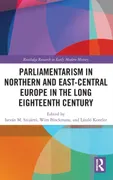

Parliamentarism in Northern and East-Central Europe in the Long Eighteenth Century: Volume i: Representative Institutions and Political Motivation (Routledge Research in Early Modern History)
EGP17,652.00
Parliamentarism in Northern and East-Central Europe in the Long Eighteenth Century: Volume i: Representative Institutions and Political Motivation (Routledge Research in Early Modern History)
Parliamentarism in Northern and East-Central Europe in the Long Eighteenth Century: Volume i: Representative Institutions and Political Motivation Book Description
Readers will discover a fresh look at the rise of representative bodies in Sweden, Poland, and Hungary during the late 1700s. This book examines how the riksdag, sejm, and diaeta evolved within the waning ancien régime. By tracing their development, the author shows the link between parliamentary practice and emerging constitutional ideas.
Throughout the text, the author concentrates on the motivations behind each assembly’s actions. He explores the ideological currents that guided lawmakers, from liberal reformers to conservative defenders of tradition. The discussion reveals the balance between national interests and broader European trends.
Moreover, the book highlights attempts to limit and restore estate power in all three countries. It details how political forces shifted authority back to the aristocracy or pushed for popular representation. In Hungary, readers learn how a new system eventually replaced the traditional estates, setting a precedent for modern governance.
Also, the volume offers the first systematic comparison of these early modern parliaments. By placing them side by side, the study uncovers shared challenges and distinct solutions. Scholars and history enthusiasts will find the comparative framework both enlightening and accessible.
Key Features of Parliamentarism in Northern and East-Central Europe in the Long Eighteenth Century: Volume i
Readers can explore three detailed case studies, each rooted in rigorous archival research. The book provides clear timelines that help readers map political events chronologically. Each chapter ends with a concise summary that reinforces key takeaways.
Additionally, the author includes appendices with essential primary documents. These materials allow readers to verify facts and gain deeper insight into the debates of the era. The tables and charts simplify complex data, making it easier to grasp electoral patterns and legislative outcomes.
Furthermore, the book is written in plain English. Even those new to European history will find the language approachable. The author avoids excessive jargon, ensuring that ideas flow smoothly from paragraph to paragraph.
Why Read This Book?
Fans of political history will appreciate the book’s balance between detail and narrative. The story of how old estates grappled with new ideas is both vivid and informative. Readers will uncover how these assemblies shaped modern democratic principles.
The guide offers practical insights for understanding today’s parliamentary systems. By studying past struggles, readers can recognize patterns that persist in contemporary politics. This historical lens enriches debates about representation, governance, and civic engagement.
Moreover, the book’s comparative approach teaches critical thinking. By comparing Sweden, Poland, and Hungary, readers learn to spot common themes and unique divergences. This skill is valuable for academics, students, and curious minds alike.
About This Book
More detail about this book and author can be found on this link. Also discover the Best English Books Online in our store through this link.
Be the first to review “Parliamentarism in Northern and East-Central Europe in the Long Eighteenth Century: Volume i: Representative Institutions and Political Motivation (Routledge Research in Early Modern History)”
Product Related

EGP1,050.00

Out of stock

Out of stock
EGP360.00

EGP215.00
Reviews
There are no reviews yet.