

Nehru and the Spirit of India
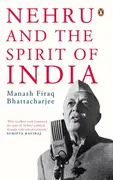


Nehru and the Spirit of India
Nehru and the Spirit of India Book Description
Readers will discover a fresh look at Jawaharlal Nehru in Nehru and the Spirit of India, now available at Kalimat Bookstore Online. The author, Manash Firaq Bhattacharjee, paints Nehru as a modern‑day philosopher‑king who imagined an India that still feels like an untapped possibility. Meanwhile, the book walks through Nehru’s political ideas, his love for secularism, and the ways he shaped India’s early years. Additionally, the narrative links historic debates to today’s controversies in Kashmir, the CAA, and free‑speech battles.
The story highlights the “politics of friendship” between Nehru and Sheikh Abdullah, showing how personal bonds can influence national policy. Furthermore, Bhattacharjee examines Nehru’s defense of secularism during the Constituent Assembly debates and his complex stance on the First Amendment. Readers can also explore contemporary events such as the miracle of Ganesha drinking milk and the use of Vedic astrology in Chandrayaan‑2, illustrating how ancient symbols still echo in modern India.
Throughout the book, the author argues for a “minoritarian” approach to politics, drawing on his own experience as a second‑generation refugee. Moreover, he breaks traditional academic boundaries by weaving insights from poets, mystics, and thinkers into the political narrative. This blend creates a vivid picture of Indian modernity, which Nehru once called a “garb” that must be examined, not discarded.
Key Features of Nehru and the Spirit of India
Each chapter offers a concise analysis of a pivotal moment in Indian history, making the book easy to read in short sessions. Additionally, Bhattacharjee uses clear language and active examples, so complex ideas feel accessible. Meanwhile, the text balances scholarly research with storytelling, keeping the tone engaging for both students and general readers. Furthermore, the book includes striking anecdotes—like the doctor’s tragic suicide—that highlight the human side of political change.
Readers will also find a rich discussion of cultural encounters, emphasizing how India’s diversity fuels its strength. The author stresses that we must engage with the past to shape a more inclusive future. Consequently, the book serves as both a historical guide and a call to thoughtful citizenship.
Why Read This Book?
Fans of political history will enjoy the book’s nuanced critique of Nehru’s legacy. Moreover, the work challenges readers to question dominant narratives and consider alternative viewpoints. The author’s background as a refugee adds a personal dimension that resonates with anyone interested in minority voices in politics. Additionally, the book’s vivid storytelling makes it a pleasant read rather than a dense textbook.
Many readers appreciate the way the author connects past events with current debates, helping them understand why certain issues remain contentious. Because the language is simple and sentences are short, the book is suitable for a wide audience, from high‑school students to lifelong learners. Therefore, owning this book adds valuable insight to any personal library.
About This Book
For more details about the author and reader reviews, visit the Goodreads page. Explore more top English titles at our store through the Best English Books Online link.
Only logged in customers who have purchased this product may leave a review.
Product Related

EGP170.00

Out of stock

Out of stock
EGP275.00
Reviews
There are no reviews yet.