

The Alchemy of Slavery: Human Bondage and Emancipation in the Illinois Country, 1730-1865 (America in the Nineteenth Century)
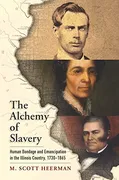


The Alchemy of Slavery: Human Bondage and Emancipation in the Illinois Country, 1730-1865 (America in the Nineteenth Century)
EGP3,035.00
Out of stock
The Alchemy of Slavery: Human Bondage and Emancipation in the Illinois Country, 1730-1865 (America in the Nineteenth Century)
The Alchemy of Slavery: Human Bondage and Emancipation in the Illinois Country, 1730-1865 Book Description
Readers will discover a vivid portrait of early American slavery in The Alchemy of Slavery: Human Bondage and Emancipation in the Illinois Country, 1730-1865. Historian M. Scott Heerman maps the tangled web of bondage that stretched across indigenous, French, Spanish, and U.S. legal systems. He shows how the Upper Mississippi River Valley became a laboratory for ever‑changing slave practices. Meanwhile, the book follows the people who fought to end these practices, from frontier lawyers to future presidents.
The story begins in the 1730s, when French colonists first imposed captivity on Native peoples. Later, Spanish and British authorities introduced inheritable slavery and lifelong indentureship. Furthermore, Heerman explains how free individuals were kidnapped and forced into labor. Because the legal framework kept shifting, masters constantly adapted their methods to keep profit flowing.
Throughout the narrative, a cast of reformers emerges. Abraham Lincoln, Lyman Trumbull, and Richard Yates join African‑American activists in a long campaign to halt slavery in Illinois. Additionally, local lawyers craft arguments that challenge the legitimacy of bondage. Their efforts eventually help shape the Republican Party’s early anti‑slavery platform.
Fans of social history will enjoy Heerman’s clear, engaging style. The book balances scholarly research with vivid anecdotes that bring the era to life. Moreover, each chapter ends with concise summaries that help readers retain key points. Therefore, the reading experience feels both educational and immersive.
Key Features of The Alchemy of Slavery
Inside this work, readers will find a detailed timeline of legal changes from 1730 to 1865. The timeline highlights how each colonial power altered concepts of ownership and freedom. Additionally, maps illustrate the spread of slave economies along the Mississippi River, making complex movements easy to visualize.
Each section presents primary documents, such as court records and personal letters. These sources let readers hear the voices of enslaved people, lawyers, and politicians. Meanwhile, Heerman’s analysis connects these local events to the broader Atlantic slave trade, showing how global forces influenced regional practices.
Moreover, the book includes a helpful glossary of terms like “indenture” and “captivity.” This tool ensures that readers of all backgrounds can follow the discussion without getting lost in jargon. Finally, a comprehensive bibliography offers pathways for further study.
Why Read This Book?
Readers can explore how slavery in the Midwest differed from the plantation South. The book reveals that bondage was not a single, static institution but a flexible system that responded to law, economics, and resistance. Because of this, the work reshapes common assumptions about American slavery.
Meanwhile, the narrative highlights the courage of everyday people who resisted oppression. By learning about these hidden stories, readers gain a deeper appreciation for the long struggle toward emancipation. Additionally, the book’s clear prose makes complex history accessible to students, teachers, and casual readers alike.
Furthermore, the book offers valuable lessons for contemporary discussions about race and justice. Understanding the roots of captivity helps readers recognize how past policies still echo today. Therefore, it serves as both a historical account and a catalyst for modern reflection.
About This Book
More detail about this book and its author can be found on Goodreads. Also discover the best English books online in our store through this link.
Only logged in customers who have purchased this product may leave a review.
Product Related

EGP170.00

Out of stock

Out of stock

EGP275.00
Reviews
There are no reviews yet.