
Pop Art
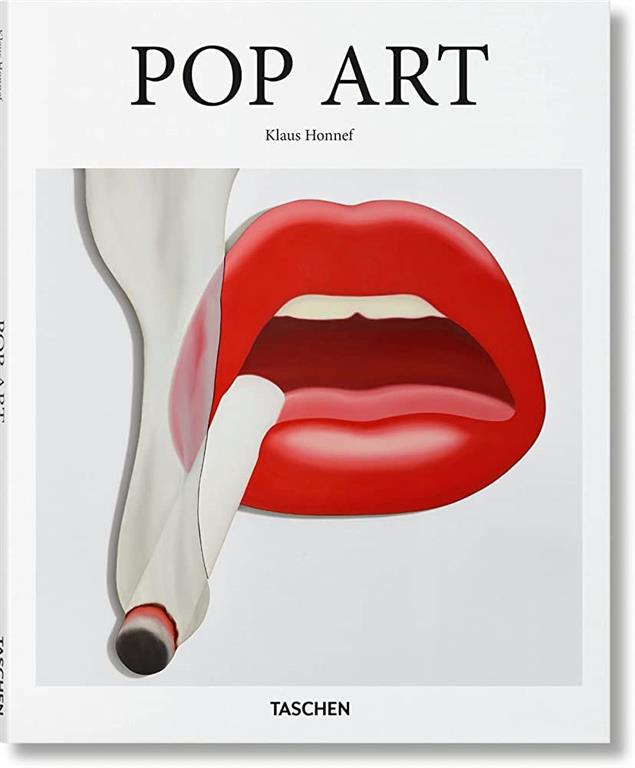


Pop Art
Pop Art Book Description
Pop Art emerged in the 1960s as a bold challenge to traditional art forms. It rejected the elite status of fine art and embraced the everyday, the commercial, and the mass-produced. This movement questioned what art could be and how it could reflect modern society. By drawing from sources like advertising, comic books, and consumer products, Pop Art blurred the lines between high and low culture.
The movement’s key figures, such as Andy Warhol and Roy Lichtenstein, redefined the role of the artist. They used techniques like screen printing to mimic the look of mass production, emphasizing the idea that art could be accessible and democratic. Pop Art wasn’t just about images; it was about ideas, exploring themes like consumerism, celebrity, and media influence.
Key Features of Pop Art
This book provides a comprehensive overview of Pop Art, featuring over 100 color illustrations with detailed captions. Each artist is introduced with a portrait and a brief biography, highlighting their contributions to the movement. The book also includes a timeline of key political, cultural, and social events from the 1960s, placing Pop Art within its historical context.
The selection of artworks includes iconic pieces such as Warhol’s Campbell’s soup cans and Lichtenstein’s comic-inspired paintings. These works are presented on two-page spreads, with full-page images and accompanying interpretations. The book aims to make the complexities of Pop Art accessible to both newcomers and art enthusiasts.
Why Read This Book?
This book is an essential guide to one of the most influential art movements of the 20th century. It explores the origins, development, and lasting impact of Pop Art. Readers will gain insight into the artists who shaped the movement and the cultural forces that inspired them. Whether you’re a student, art lover, or simply curious about modern art, this book offers a clear and engaging introduction.
About This Book
Written as part of TASCHEN’s Basic Genre series, this book is designed to be both informative and visually engaging. It combines historical context with in-depth analysis, making it a valuable resource for anyone interested in art history. With its clear structure and rich visuals, this book brings the world of Pop Art to life and highlights its enduring relevance in today’s culture.
Only logged in customers who have purchased this product may leave a review.
Product Related

Out of stock


Out of stock
EGP50.00

EGP380.00
Reviews
There are no reviews yet.