

The Willpower Instinct: How Self-Control Works, Why It Matters, and What You Can Do to Get More of It
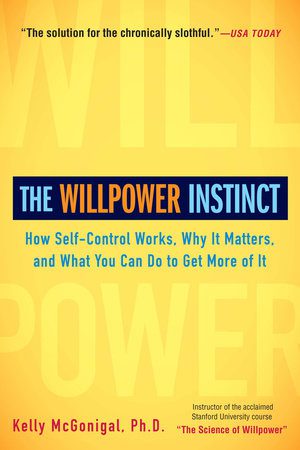


The Willpower Instinct: How Self-Control Works, Why It Matters, and What You Can Do to Get More of It
EGP600.00
Book Summary
| Based on Stanford University psychologist Kelly McGonigal’s wildly popular course “The Science of Willpower,” The Willpower Instinct is the first book to explain the new science of self-control and how it can be harnessed to improve our health, happiness, and productivity.
Informed by the latest research and combining cutting-edge insights from psychology, economics, neuroscience, and medicine, The Willpower Instinct explains exactly what willpower is, how it works, and why it matters. For example, readers will learn:
In the groundbreaking tradition of Getting Things Done, The Willpower Instinct combines life-changing prescriptive advice and complementary exercises to help readers with goals ranging from losing weight to more patient parenting, less procrastination, better health, and greater productivity at work. |
Language: English
Paperback: 288 pages
Publisher: Avery (2013)
ISBN-10: 1583335080
ISBN-13: 9781583335086
Genre: Self-help
Size: 15 cm x 22.6 cm
Shipping Weight: 60 grams
Condition: New
Out of stock
The Willpower Instinct: How Self‑Control Works, Why It Matters, and What You Can Do to Get More of It
The Willpower Instinct: How Self‑Control Works, Why It Matters, and What You Can Do to Get More of It Book Description
Based on Stanford psychologist Kelly McGonigal’s popular course “The Science of Willpower,” The Willpower Instinct reveals how modern science explains self‑control and how you can apply it to boost health, happiness, and productivity. Readers will discover a clear definition of willpower, see why it matters, and learn practical steps to strengthen it.
Each chapter blends research from psychology, economics, neuroscience, and medicine. Inside, you will learn that willpower is a mind‑body response, not a moral virtue. It improves with mindfulness, regular exercise, balanced nutrition, and adequate sleep. However, it is not unlimited; over‑exerting self‑control can harm your health.
Temptation and stress often hijack the brain’s control systems, yet the brain can be trained for greater resilience. Moreover, guilt and shame after setbacks tend to trigger more lapses, while self‑forgiveness and compassion actually boost self‑control. Interestingly, sometimes giving up control creates more internal freedom.
Willpower failures are contagious—you may catch a friend’s urge to overspend or overeat. At the same time, you can catch self‑control from positive role models. The guide offers exercises that turn these insights into daily habits, helping you lose weight, parent with patience, reduce procrastination, improve health, and increase workplace productivity.
Key Features of The Willpower Instinct
Readers will benefit from bite‑size lessons that fit busy schedules. Each section ends with a short, actionable exercise that reinforces learning. Additionally, the book provides real‑world examples that illustrate how willpower works in everyday situations. Furthermore, it includes scientific explanations that are easy to understand without a background in research.
Another standout feature is the focus on self‑compassion. The author shows how forgiving yourself after a slip can prevent a spiral of bad choices. Meanwhile, the book highlights the importance of sleep and nutrition as foundational supports for stronger self‑control.
Finally, the text draws parallels to the classic workflow system “Getting Things Done,” offering a structured approach to managing tasks, goals, and emotions. Because of this, the book appeals to both personal‑development seekers and professionals looking for a systematic boost in performance.
Why Read This Book?
Fans of practical psychology will enjoy the blend of science and real‑life tips. Many readers report that the exercises helped them break unhealthy habits within weeks. The narrative is clear, friendly, and free of jargon, making it suitable for a broad audience.
In addition, the book addresses common myths about willpower, such as the idea that “willpower is a fixed trait.” By debunking these myths, it empowers you to view self‑control as a skill you can develop. Moreover, the insights are backed by Stanford research, giving the advice credibility and depth.
Because the strategies are grounded in everyday actions, you can start applying them immediately. Whether you aim to quit smoking, save money, or simply stay focused on a project, the book offers a roadmap that adapts to varied goals.
About This Book
Language: English
Paperback: 288 pages
Publisher: Avery (2013)
ISBN‑10: 1583335080
ISBN‑13: 9781583335086
Genre: Self‑help
Size: 15 cm × 22.6 cm
Shipping Weight: 60 g
Condition: New
More detail about this book and author can be found on Goodreads. Also discover the Best English Books Online in our store through this link.
| Author |
|---|
Only logged in customers who have purchased this product may leave a review.
Product Related

Out of stock
EGP3,350.00

Out of stock
EGP385.00

EGP395.00

Out of stock
EGP690.00
Reviews
There are no reviews yet.