

Challenges in Teaching Arabic as a Foreign Language
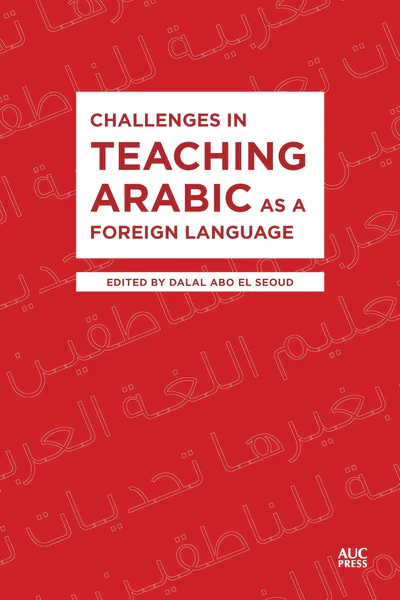


Challenges in Teaching Arabic as a Foreign Language
EGP1,250.00
22 in stock
Challenges in Teaching Arabic as a Foreign Language
Challenges in Teaching Arabic as a Foreign Language Book Description
Readers will find Challenges in Teaching Arabic as a Foreign Language an insightful guide that tackles the most common obstacles teachers face in the classroom. The book presents real‑world examples, practical strategies, and research‑based tips that help educators create engaging lessons. It is written in clear English, making it accessible for both new instructors and seasoned professionals.
The author explores why students often struggle with pronunciation, grammar, and cultural context. Meanwhile, each chapter offers concrete activities that can be adapted to any learning level. Furthermore, the text highlights the importance of motivation and how to use technology to support language acquisition. Because of its balanced mix of theory and practice, the guide becomes a valuable resource for any teacher aiming to improve student outcomes.
Inside the book, readers will discover tools for assessing progress and techniques for fostering a supportive classroom environment. Additionally, the author shares personal anecdotes that illustrate common pitfalls and successful interventions. Therefore, educators can quickly apply the advice to their own teaching situations.
Key Features of Challenges in Teaching Arabic as a Foreign Language
One key feature is its step‑by‑step lesson plans that align with modern curricula. Each plan includes clear objectives, materials lists, and suggested timing. Moreover, the book contains worksheets that teachers can print or adapt for digital use. The inclusion of audio resources also helps learners practice listening and speaking skills.
Another standout is the focus on cultural immersion. The guide explains how to integrate authentic texts, media, and community interactions into lessons. This approach not only improves language skills but also deepens students’ appreciation of Arab traditions. Readers can therefore build more inclusive and dynamic classrooms.
Finally, the book offers assessment rubrics that are simple yet effective. These rubrics allow teachers to track progress without overwhelming paperwork. By using these tools, educators can provide timely feedback and celebrate student achievements.
Why Read This Book?
Fans of language education will enjoy the practical, hands‑on advice that avoids jargon. The author writes in a friendly tone, making complex ideas easy to understand. Because the strategies are evidence‑based, teachers can feel confident that they are using proven methods.
Many readers appreciate the balance between theory and application. The book does not merely discuss problems; it offers ready‑to‑use solutions. Additionally, the resource is suitable for a variety of teaching contexts, from private tutoring to large university classes.
Overall, this guide empowers teachers to overcome challenges and inspire confidence in their students. With each chapter, readers will learn how to create lessons that are both educational and enjoyable.
About This Book
More detail about this book and its author can be found on Goodreads. Also, explore the best English books online at Kalimat Bookstore. This title is a must‑have addition to any educator’s library and promises to enhance the teaching and learning experience for Arabic as a foreign language.
| Author |
|---|
Only logged in customers who have purchased this product may leave a review.
Product Related


EGP495.00

Out of stock
EGP780.00

Out of stock
EGP1,630.00
Reviews
There are no reviews yet.