

Babylon of Egypt: The Archaeology of Old Cairo and the Origins of the City
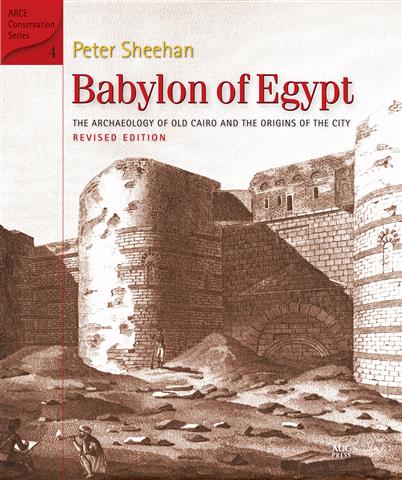
Babylon of Egypt: The Archaeology of Old Cairo and the Origins of the City
EGP1,750.00
11 in stock
Babylon of Egypt: The Archaeology of Old Cairo and the Origins of the City
Babylon of Egypt: The Archaeology of Old Cairo and the Origins of the City Book Description
Readers will discover a vivid portrait of Old Cairo in this engaging English title, Babylon of Egypt: The Archaeology of Old Cairo and the Origins of the City. The book guides you through the layers of history beneath the modern streets, revealing how ancient settlements shaped today’s metropolis. Meanwhile, vivid illustrations and clear maps help you visualize each archaeological find. Because the author blends scholarly research with lively storytelling, the reading experience feels both informative and entertaining.
The author explores the earliest phases of Cairo’s development, beginning with the Egyptian Babylonian settlement that gave the area its name. Throughout the chapters, you will learn how trade routes, religious practices, and political shifts left lasting marks on the city’s layout. Additionally, the narrative connects each artifact to broader themes of cultural exchange and urban growth. Therefore, readers gain a deeper appreciation for how old and new coexist in the heart of Egypt.
Fans of travel history will enjoy the way the book balances technical detail with accessible language. Inside, the author describes excavations at key sites such as the Coptic Museum and the historic Fatimid quarter. Moreover, personal anecdotes from fieldwork add a human touch, making the archaeological process feel immediate. As a result, the book feels less like a textbook and more like a guided tour through time.
Key Features of Babylon of Egypt: The Archaeology of Old Cairo and the Origins of the City
One standout feature is the extensive photo collection, which showcases rare artifacts and site panoramas. Each image is accompanied by concise captions that explain significance without overwhelming the reader. Furthermore, the book includes sidebars that highlight surprising facts, such as the discovery of a 9th‑century pottery kiln beneath a modern market. These elements help the reader pause and reflect on the layers of history beneath everyday life.
Another strength lies in the clear chapter organization. The narrative moves chronologically, yet each chapter also focuses on a distinct theme—religion, commerce, or governance. This structure allows readers to explore topics that interest them most, while still seeing the big picture of Cairo’s evolution. Additionally, a comprehensive bibliography provides pathways for further research, appealing to both casual readers and scholars.
Why Read This Book?
Many readers choose this title because it makes complex archaeology approachable. The author uses simple language, avoiding jargon that can alienate non‑specialists. Consequently, the book invites a wide audience to explore the origins of one of the world’s most iconic cities. Moreover, the story emphasizes how past societies adapted to their environment, offering lessons that remain relevant today.
Meanwhile, the book serves as a valuable resource for anyone planning a visit to Cairo. Inside, you will find practical tips on where to see the highlighted sites and how to interpret on‑site information. Therefore, the book not only enriches your knowledge but also enhances your travel experience. Finally, it inspires curiosity about how modern cities are built upon ancient foundations.
About This Book
More detail about this book and its author can be found on Goodreads. Also, discover the best English books online in our store through this Kalimat Bookstore link. Experience the rich tapestry of Old Cairo by adding Babylon of Egypt: The Archaeology of Old Cairo and the Origins of the City to your collection today.
| Author |
|---|
Only logged in customers who have purchased this product may leave a review.
Product Related

Out of stock

EGP550.00
EGP150.00
Reviews
There are no reviews yet.