

Bauhaus
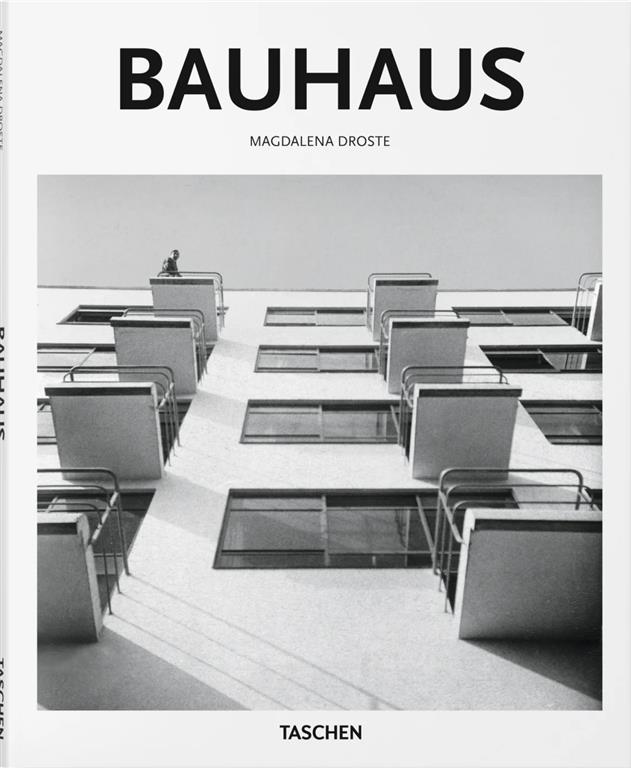


Bauhaus
EGP1,130.00
In a fleeting fourteen year period, sandwiched between two world wars, Germany’s Bauhaus school of art and design changed the face of modernity. With utopian ideals for the future, the school developed a pioneering fusion of fine art, craftsmanship, and technology to be applied across painting, sculpture, design, architecture, film, photography, textiles, ceramics, theatre, and installation.As much an intense personal community as a publicly minded collective, the Bauhaus was first founded by Walter Gropius (1883–1969), and counted Josef and Anni Albers, Wassily Kandinsky, Paul Klee, Oskar Schlemmer, Gunta Stölzl, Marianne Brandt and Ludwig Mies van der Rohe among its members. Between its three successive locations in Weimar, Dessau and Berlin, the school fostered charismatic and creative exchange between teachers and students, all varied in their artistic styles and preferences, but united in their idealism and their interest in a “total” work of art across different practices and media.This book celebrates the adventurous innovation of the Bauhaus movement, both as a trailblazer in the development of modernism, and as a paradigm of art education, where an all-encompassing freedom of creative expression and cutting-edge ideas led to functional and beautiful creations.
1 in stock
Bauhaus
Bauhaus Book Description
Readers will discover *Bauhaus*, a vivid English‑language study of the legendary German art school that reshaped modern design. The book captures a fourteen‑year window between the world wars when Walter Gropius founded a daring movement that blended fine art, craftsmanship, and emerging technology. Throughout this period, the school’s utopian vision sparked new ideas in painting, sculpture, architecture, photography, textiles, ceramics, film, theatre, and installation.
This book explores how the Bauhaus community—teachers like Kandinsky, Klee, and Mies van der Rohe, and students such as Josef and Anni Albers—collaborated across three campuses in Weimar, Dessau, and Berlin. Meanwhile, each chapter reveals personal stories that illustrate the school’s intense, supportive atmosphere. Because the members shared a belief in a “total” work of art, they broke down barriers between disciplines and created functional yet beautiful objects.
Fans of design history will enjoy the narrative’s balance of scholarly insight and accessible storytelling. Moreover, the text highlights how the Bauhaus philosophy still influences contemporary design education and everyday objects. Therefore, readers gain a clear picture of why the movement remains a cornerstone of modernism.
Key Features of Bauhaus
The guide presents a timeline of the school’s three relocations, illustrating how each setting nurtured creative exchange. Additionally, vivid illustrations accompany essays on iconic works, helping readers visualize the original concepts. Furthermore, short biographical sketches introduce the major figures, making their contributions easy to grasp.
Each chapter ends with discussion questions that encourage deeper reflection on the relevance of Bauhaus ideals today. Also, a glossary defines key terms, ensuring that newcomers to art history can follow along without confusion. Finally, a bibliography offers curated sources for those who wish to explore the topic further.
Why Read This Book?
Readers can experience the excitement of a movement that dared to merge art and industry. The story shows how bold experiments in materials and form produced timeless designs still seen in modern homes and classrooms. Moreover, the book demonstrates that Bauhaus was not only about aesthetics but also about social responsibility and democratic access to beauty.
Many readers appreciate the practical insights that translate historical lessons into today’s design challenges. Because the author writes in a clear, engaging style, the content feels both informative and enjoyable. Consequently, both students and design professionals will find value in its thoughtful analysis.
About This Book
More detail about this book and its author can be found on Goodreads. Also, explore the best English books online in our store through this link.
| Author |
|---|
Only logged in customers who have purchased this product may leave a review.
Product Related

EGP1,350.00

Out of stock
EGP530.00

Out of stock
EGP165.00

Out of stock
EGP650.00
Reviews
There are no reviews yet.