

Cairo Since 1900

Cairo Since 1900
Cairo Since 1900 Book Description
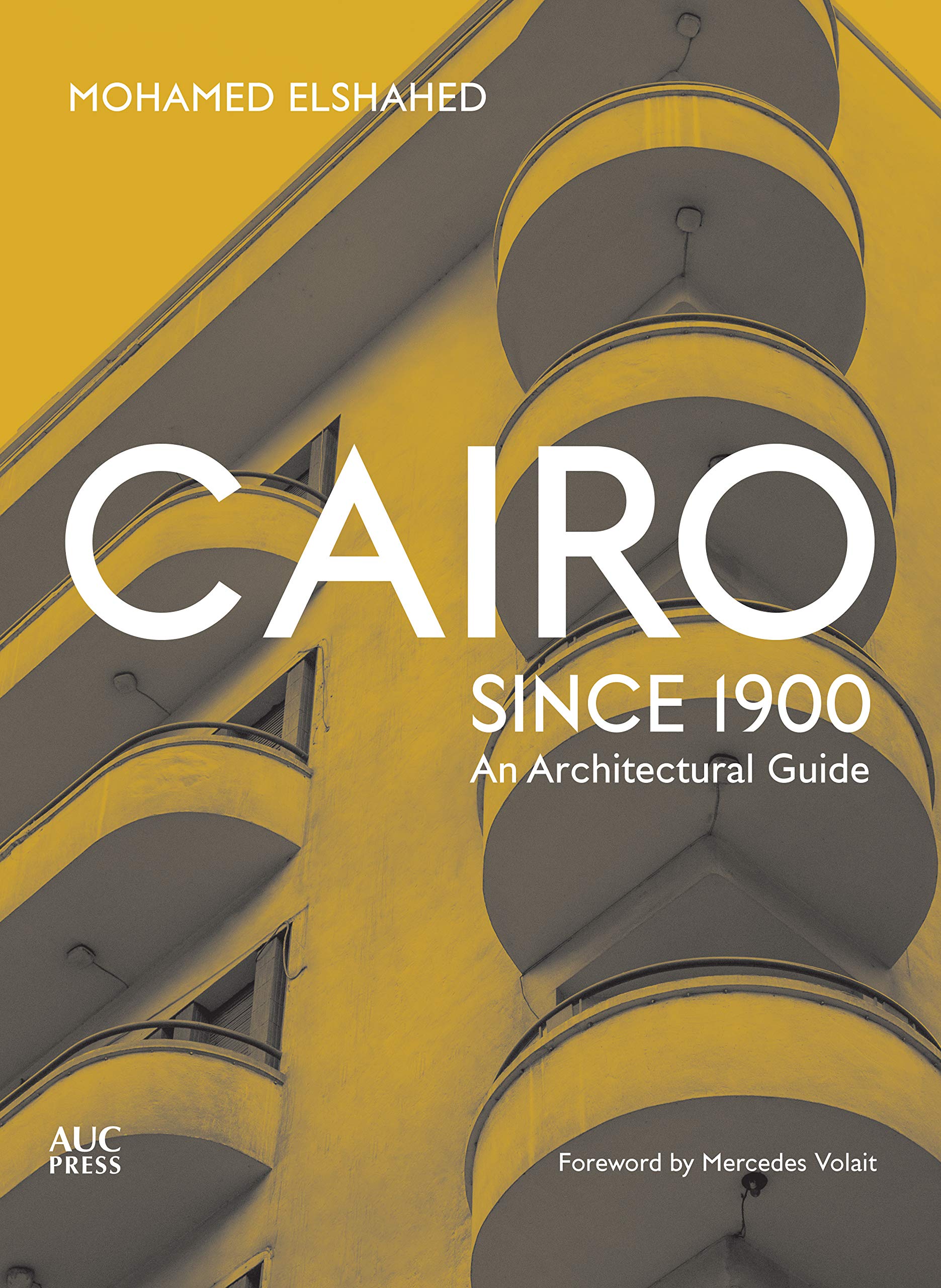
Readers will travel through more than a century of Cairo’s architecture with Cairo Since 1900. This engaging English guide invites you to explore the city’s most iconic buildings, hidden courtyards, and evolving styles from 1900 to today. The author blends vivid photographs with concise historical notes, creating a reading experience that feels both scholarly and accessible. Whether you are a casual traveler or an architecture enthusiast, the book offers a clear roadmap to discover Cairo’s rich built heritage.
Fans of urban history will appreciate the way the guide organizes each chapter by neighborhood and era. Inside each section, the author highlights key structures, explains their cultural significance, and points out details that often escape the casual observer. Moreover, the narrative connects architectural trends to broader social changes, helping readers understand how politics, commerce, and art shaped the city’s skyline. This approach turns a simple guide into a deeper learning tool.
Throughout the pages, readers can find practical tips for visiting each site. The book suggests optimal viewing times, nearby cafés, and public transport routes, making it easy to plan a self‑guided tour. Additionally, each photo includes captions that identify architects, dates, and original functions, allowing you to match visual details with written context. The result is a handy companion that enhances any trip to Cairo.
Key Features of Cairo Since 1900
One of the most compelling features is the extensive use of high‑resolution images. These visuals bring the city’s facades to life and support the concise descriptions that follow. Furthermore, the guide includes sidebars that summarize architectural vocabularies, such as Art Deco motifs or Islamic revival elements, which help readers recognize styles instantly. The layout is clean, with generous white space that encourages easy reading.
The book also offers a timeline that marks major construction periods, from the colonial era to post‑independence modernism. This timeline makes it simple to place each building within a historical framework. Meanwhile, a bibliography at the end points to further reading for those who wish to dive deeper into specific architects or movements. Finally, the author provides a short glossary of Arabic terms that appear on building plaques, enriching the cultural experience.
Why Read This Book?
Many readers choose this guide because it balances beautiful photography with insightful analysis. The author writes in a clear, active voice, avoiding jargon that can intimidate non‑experts. Consequently, the book feels approachable while still delivering substantial knowledge. Additionally, the stories behind each structure highlight Cairo’s resilience and creativity, inspiring readers to view the city with fresh eyes.
Because the guide is organized chronologically and geographically, you can jump to any chapter that matches your itinerary. This flexibility means you can use the book as a coffee‑table reference or as a detailed itinerary planner. Moreover, the emphasis on lesser‑known sites encourages travelers to step off the beaten path and discover hidden gems that most tourists miss.
About This Book
More detail about the book and its author can be found on Goodreads. Also, discover the best English books online in our store through this link. Cairo Since 1900 is available now at Kalimat Bookstore Online, ready to enhance your next visit to Egypt’s timeless capital.
| Author |
|---|
Be the first to review “Cairo Since 1900”
Product Related
EGP495.00
EGP755.00

Out of stock
EGP330.00

EGP780.00
Reviews
There are no reviews yet.