

Caliban and the Witch: Women, the Body and Primitive Accumul
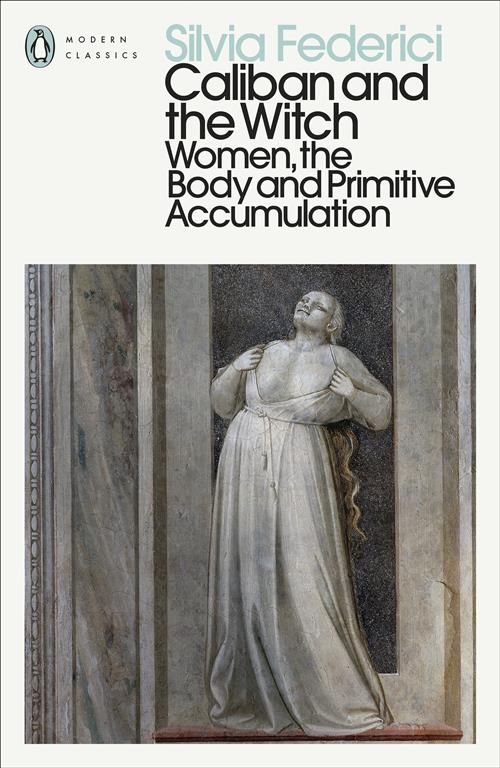


Caliban and the Witch: Women, the Body and Primitive Accumul
EGP830.00
Out of stock
Caliban and the Witch: Women, the Body and Primitive Accumul
Caliban and the Witch: Women, the Body and Primitive Accumul Book Description
Readers will find Caliban and the Witch: Women, the Body and Primitive Accumul a powerful exploration of gender, power, and how societies shape bodies. The book blends history, theory, and vivid storytelling to reveal hidden connections between witch hunts and modern economic structures. Meanwhile, the author invites you to question how primitive accumulation still influences everyday life. As a result, the reading experience feels both scholarly and deeply personal.
The story follows the figure of Caliban, a symbol of the colonized Other, and links his fate to the persecution of women labeled as witches. Throughout the narrative, the author examines how bodies become sites of control and profit. Additionally, each chapter builds on real cases from Europe and the Americas, making complex ideas accessible. Moreover, the book uses clear language that encourages reflection without overwhelming the reader.
Key Features of Caliban and the Witch: Women, the Body and Primitive Accumul
Fans of cultural history will appreciate the extensive archival research that underpins every argument. The guide offers concise summaries at the end of each section, helping readers retain key concepts. Furthermore, illustrations and maps break up dense text, creating a more engaging layout. Because the author writes in an active voice, the material feels immediate and compelling.
Another unique feature is the interdisciplinary approach. The author weaves together anthropology, economics, and feminist theory, allowing readers to see connections across fields. This method helps uncover how past injustices echo in today’s market practices. Consequently, the book serves as a valuable resource for students, activists, and anyone curious about the roots of inequality.
Why Read This Book?
Many readers seek books that both inform and inspire action. This title delivers evidence‑based insights while urging readers to imagine alternatives. Readers can apply the lessons to contemporary debates on labor, gender, and environmental justice. Additionally, the narrative style makes complex theory feel like a conversation rather than a lecture.
Moreover, the book’s relevance extends beyond academia. It offers practical examples of how historical patterns shape current policies. Therefore, readers who care about social change will find tools to critique and transform existing systems. Finally, the engaging prose ensures that the material remains approachable from start to finish.
About This Book
More detail about this book and its author can be found on Goodreads. Also, discover more English titles in our store through this English Books link. Kalimat Bookstore Online offers fast shipping and secure checkout for a smooth purchase experience.
| Author |
|---|
Only logged in customers who have purchased this product may leave a review.
Product Related


EGP495.00

Out of stock
EGP780.00

Out of stock
EGP1,630.00
Reviews
There are no reviews yet.