

Chemists’ War (1914-1918)

Chemists’ War (1914-1918)
EGP1,505.00
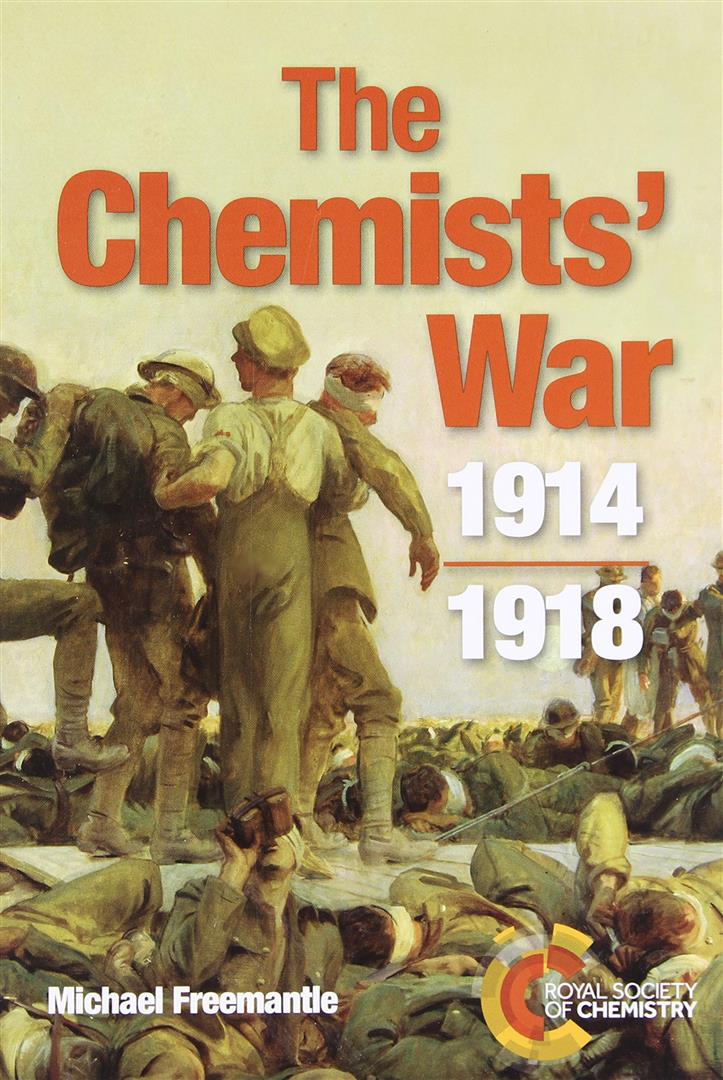
Within months of the start of the First World War, Germany began to run out of the raw materials it needed to make explosives. As Germany faced imminent defeat, chemists such as Fritz Haber and Carl Bosch came to the rescue with Nobel Prize winning discoveries that overcame the shortages and enabled the country to continue in the war. Similarly, Britain could not have sustained its war effort for four years had it not been for chemists like Chaim Weizmann who was later to become the first president of the State of Israel. Michael Freemantle tells the stories of these and many other chemists and explains how their work underpinned and shaped what became known as The Chemists’ War. He reveals: • how chemistry contributed to the care of the sick and wounded and to the health and safety of troops; • how coal not only powered the war but was also an important source of the chemicals needed for the manufacture of explosives, dyes, medicines and antiseptics; • how Britain’s production of propellants relied on the slaughter of tens of thousands of whales; • how a precious metal played a critical role in the war; • how poisonous chemicals were used as weapons of mass destruction for the first time in the history of warfare and how chemists developed gas masks for protection against these weapons; • how the British naval blockade of Germany imperilled agricultural production in the United States. The book will appeal to the general reader as well as the many scientists and historians interested in the Great War.
Out of stock
Chemists’ War (1914-1918)
Chemists’ War (1914-1918) Book Description
Readers will discover a vivid portrait of science under fire in Chemists’ War (1914-1918). Michael Freemantle tells how chemists turned scarcity into triumph during the First World War. Within months of the conflict’s outbreak, Germany ran out of the raw materials needed for explosives. However, Nobel laureates Fritz Haber and Carl Bosch invented new processes that rescued the German war machine. Meanwhile, Britain relied on chemist Chaim Weizmann, whose work later helped shape a new nation. This book reveals the hidden chemistry that powered a global conflict and reshaped history.
The story explores how chemistry touched every battlefield. It shows how new drugs saved wounded soldiers and how antiseptics reduced infection rates. Additionally, coal proved more than fuel; it supplied the chemicals for dyes, medicines, and explosives. Furthermore, Britain’s propellant production depended on the tragic hunting of tens of thousands of whales. Moreover, a precious metal became a critical wartime resource. Readers can also learn how poisonous gases entered warfare for the first time and how chemists designed the first gas masks to protect troops.
Fans of military history will enjoy the human side of scientific discovery. The author highlights the personal risks taken by researchers working under fire. Also, the book explains how the British naval blockade threatened American agriculture, linking chemistry to global politics. Throughout, Freemantle balances technical detail with compelling storytelling, making complex science accessible to a broad audience.
Key Features of Chemists’ War (1914-1918)
Each chapter uncovers a new facet of the war’s chemical front. Readers will learn how chemistry improved medical care on the front lines. The guide details the transformation of coal into vital chemicals, showing the resource’s double role as energy and raw material. Additionally, the book examines the ethical dilemma of using whale oil for propellants, offering a nuanced view of wartime choices.
Moreover, the narrative explains the strategic importance of a scarce precious metal, illustrating its impact on weapon production. The author also describes the first large‑scale use of chemical weapons and the rapid development of protective gear. Meanwhile, Freemantle connects these scientific advances to broader social and political shifts, such as the rise of future leaders like Chaim Weizmann.
Finally, the book provides vivid anecdotes that bring laboratory breakthroughs to life. Readers can picture scientists racing against time, inventing under pressure, and shaping the outcome of a world war. These stories make the book both educational and thrilling.
Why Read This Book?
Readers will appreciate a fresh angle on a well‑known conflict. The book offers a clear explanation of how chemistry influenced every aspect of the war, from weapons to medicine. Because the author writes in an engaging, easy‑to‑follow style, both newcomers and seasoned historians will find value. Additionally, the book highlights moral questions that still resonate today, such as the use of dangerous chemicals and the exploitation of natural resources.
Fans of narrative nonfiction will enjoy the blend of drama and fact. Moreover, students of science will see how real‑world problems drive innovation. The story also inspires readers to consider the responsibilities that come with scientific power. Therefore, this book is a compelling read for anyone curious about the hidden forces that shaped the 20th century.
About This Book
For more details about Chemists’ War (1914-1918) and its author, visit this Goodreads page. Explore the best English books available online at our store through this link.
| Author |
|---|
Only logged in customers who have purchased this product may leave a review.
Product Related
Out of stock
Out of stock
EGP755.00
Out of stock
EGP800.00
EGP2,250.00
Reviews
There are no reviews yet.