

Christianity and Monasticism in Upper Egypt (Vol. 2): Nag Ha
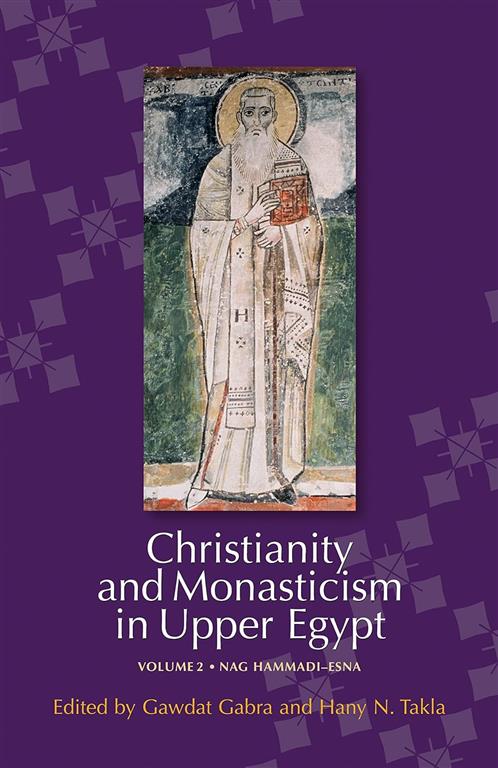

Christianity and Monasticism in Upper Egypt (Vol. 2): Nag Ha
EGP850.00
3 in stock
Christianity and Monasticism in Upper Egypt (Vol. 2): Nag Ha
Christianity and Monasticism in Upper Egypt (Vol. 2): Nag Ha Book Description
Readers will find Christianity and Monasticism in Upper Egypt (Vol. 2): Nag Ha a fascinating glimpse into the spiritual life of Egyptian desert communities. This English volume explores the rise of monastic settlements around the sacred site of Nag Ha, a region steeped in early Christian tradition. Meanwhile, the author weaves together archaeology, folklore, and theology to create a vivid narrative that feels both scholarly and accessible. Because the book balances detailed research with clear storytelling, it invites both scholars and casual readers to explore a largely untouched chapter of church history.
Fans of early Christian studies will enjoy the way each chapter uncovers new layers of the Nag Ha monastic network. Inside, the text examines how ascetics adapted to the harsh desert climate while preserving rich liturgical practices. Additionally, the author highlights the role of local women who supported monasteries through prayer and labor. Throughout the work, primary sources are translated and explained, giving readers direct access to ancient letters and inscriptions.
Many readers appreciate the book’s engaging structure. Each section begins with a concise overview, followed by vivid descriptions of caves, churches, and communal life. Furthermore, sidebars provide quick facts about key figures such as Saint Pachomius and local hermits. The guide also includes maps and photographs that help visualize the remote locations discussed. Therefore, the reading experience feels both immersive and educational.
Moreover, the volume sheds light on how Nag Ha’s monastic traditions influenced broader Christian practices. The author shows connections between Egyptian asceticism and later Western monastic rules. This comparative approach helps readers understand the lasting impact of Egyptian monasticism on global Christianity. As a result, the book offers valuable insights for theologians, historians, and anyone interested in spiritual heritage.
Key Features of Christianity and Monasticism in Upper Egypt (Vol. 2): Nag Ha
Inside this volume, readers will discover a collection of newly translated Coptic texts that had never appeared in English before. The translations are accompanied by annotations that clarify obscure terms and cultural references. Additionally, each chapter ends with discussion questions that encourage deeper reflection and classroom use.
The book also presents high‑resolution images of frescoes, stone carvings, and ancient manuscripts. These visuals allow readers to examine artistic details without traveling to Egypt. Meanwhile, concise timelines trace the development of monastic rules from the 4th to the 7th centuries.
Finally, the author provides a comparative appendix that links Nag Ha’s practices to contemporary monastic movements. This section helps modern readers see the relevance of ancient ascetic ideals in today’s spiritual landscape.
Why Read This Book?
Readers can gain a richer understanding of how desert monasticism shaped early Christianity. Because the narrative blends academic rigor with readable prose, the book appeals to both experts and general audiences. Moreover, the inclusion of primary sources invites readers to engage directly with historical voices.
The story of Nag Ha offers a unique perspective on perseverance, faith, and community building in harsh environments. Fans of religious history will find the detailed accounts of daily monastic routines especially compelling. Meanwhile, the book’s clear layout and supportive visual material make it an excellent reference for students and teachers alike.
About This Book
Christianity and Monasticism in Upper Egypt (Vol. 2): Nag Ha is available now at Kalimat Bookstore Online. Explore more English titles and discover the best selections in our store here. This volume promises an enriching reading experience that deepens your knowledge of early Christian monastic life.
| Author |
|---|
Only logged in customers who have purchased this product may leave a review.
Product Related
Out of stock
EGP275.00

EGP680.00

EGP650.00

EGP680.00
Reviews
There are no reviews yet.