

Coping with Defeat
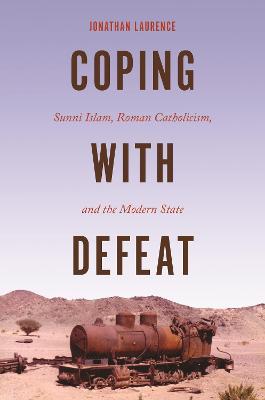


Coping with Defeat
Coping with Defeat Book Description
Coping with Defeat explores the historical parallels between the Sunni Islamic and Roman Catholic empires as they faced the challenges of the modern state. Jonathan Laurence provides a detailed analysis of how both religious authorities experienced major shocks, including religious reformation, the rise of the nation-state, and mass migration. These events led to significant changes in the way religious institutions interacted with political power.
Through interviews, site visits, and archival research in Turkey, North Africa, and Western Europe, Laurence reveals how Catholic institutions gradually accepted the state’s political jurisdiction and shifted their focus to transnational spiritual leadership. Similarly, Sunni Muslim institutions are undergoing a comparable transformation in the twenty-first century.
The book highlights the institutional patterns that emerge before and after political collapse. Laurence explains how centralized religious communities relinquish power at different rates and times. Early Christianity and Islam were marked by missionary expansion, but modern religious institutions are primarily defensive in nature. They must adapt to political defeat while maintaining their spiritual authority.
One of Laurence’s key findings is that the disestablishment of Islamic affairs ministries in the Muslim world could hinder, rather than help, reconciliation with the rule of law. This insight underscores the importance of understanding how religious institutions navigate political change.
Key Features of Coping with Defeat
Coping with Defeat offers a unique historical perspective on the relationship between religious institutions and the modern state. It draws on extensive research and provides a comparative analysis of Sunni and Catholic empires. The book is structured around three major shocks that shaped religious institutions: religious reformation, the rise of the nation-state, and mass migration.
The author’s use of primary sources, including interviews and archival research, adds depth and credibility to the analysis. Laurence’s findings challenge conventional assumptions about the role of religious institutions in political systems. The book is an essential read for those interested in the intersection of religion, politics, and history.
Why Read This Book?
Coping with Defeat is a thought-provoking exploration of how religious institutions adapt to political change. It provides valuable insights into the challenges faced by both Sunni and Catholic empires as they navigated the modern state. The book is well-researched and accessible, making it suitable for both academic and general readers.
By examining the historical context of religious institutions, Laurence offers a fresh perspective on the ongoing struggles of the Muslim world. The book is a compelling read for anyone interested in the dynamics of religion and politics.
About This Book
Coping with Defeat is a historical analysis of the relationship between religious institutions and the modern state. Written by Jonathan Laurence, it provides a comparative study of Sunni Islamic and Roman Catholic empires. The book is based on extensive research and offers a nuanced understanding of how religious authorities adapt to political change.
This book is an important contribution to the study of religion and politics. It is recommended for readers interested in history, political science, and religious studies. Coping with Defeat is a must-read for those seeking to understand the complexities of religious institutions in the modern world.
Only logged in customers who have purchased this product may leave a review.
Product Related

Out of stock

EGP520.00

EGP199.00

Out of stock
EGP200.00
Reviews
There are no reviews yet.