

Digital Art
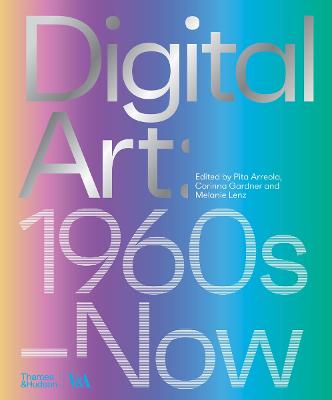


Digital Art
Digital Art Book Description
This comprehensive book explores the history of digital art from the 1960s to the present day. It offers decade-by-decade essays that examine the evolution of digital art practices, alongside interviews with key figures in the field. The book provides a global perspective on digital art, highlighting its diverse and experimental nature.
From the early computer-generated works of mathematicians and artists to the immersive experiences of virtual reality and net art, this book covers a wide range of digital art forms. It delves into the technological advancements that have shaped the field, as well as the social and ethical implications of digital art.
The book features contributions from leading authorities and includes insights from prominent artists, gallerists, museum curators, and collectors. These perspectives offer a deeper understanding of the cultural and historical context of digital art.
Key Features of Digital Art
This book is an illustrated study that explores the development of digital art through the works of pioneering artists such as Analivia Cordeiro, Manfred Mohr, Vera Molnar, and Frieder Nake. It also highlights the contributions of contemporary practitioners like Danielle Brathwaite-Shirley, Ibiye Camp, Sarah Friend, Trevor Paglen, and Anna Ridler.
The decade-by-decade approach allows readers to trace the progression of digital art practices over time. The inclusion of interviews and discussions adds a personal touch, offering insights into the motivations and challenges faced by digital artists.
Why Read This Book?
This book is essential for anyone interested in the history and future of digital art. It provides a well-rounded view of the field, covering both its technical and conceptual aspects. The engaging content and expert insights make it a valuable resource for students, scholars, and art enthusiasts alike.
About This Book
Digital Art: 1960s-Now is a detailed and informative exploration of the digital art movement. It offers a unique blend of historical analysis, contemporary practice, and critical perspectives. This book is a must-read for anyone looking to understand the impact of technology on the art world.
Only logged in customers who have purchased this product may leave a review.
Product Related

Out of stock

Out of stock
EGP455.00

Out of stock
EGP135.00

Out of stock
EGP720.00
Reviews
There are no reviews yet.