

Freakonomics: A Rogue Economist
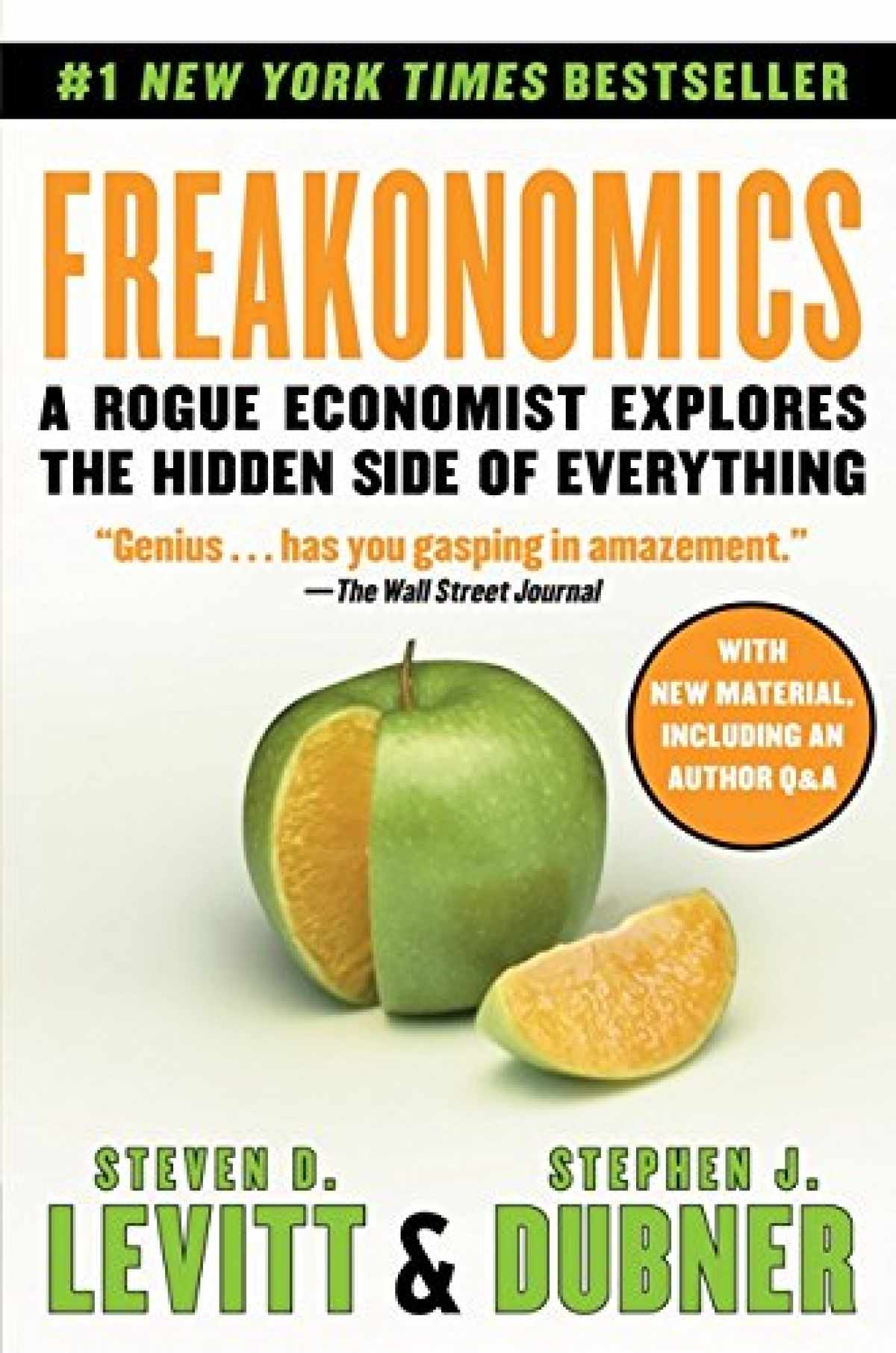
Freakonomics: A Rogue Economist
EGP590.00
Cult bestseller, new buzz word… Freakonomics is at the heart of everything we see and do and the subjects that bedevil us daily: from parenting to crime, sport to politics, fat to cheating, fear to traffic jams. Asking provocative and profound questions about human motivation and contemporary living and reaching some astonishing conclusions, Freakonomics will make you see the familiar world through a completely original lens.
1 in stock
Freakonomics: A Rogue Economist
Freakonomics: A Rogue Economist Book Description
Readers will discover why Freakonomics: A Rogue Economist sparked a cultural boom. Stanford economist Steven D. Levitt joins journalist Stephen J. Dubner to ask odd questions. They explore why crime fell in the 1990s, what drives teacher performance, and how a child’s name can shape a future. The duo blends data, humor, and storytelling to turn hidden incentives into clear insights that feel relevant to everyday life.
Each chapter reads like a short investigative report. Levitt and Dubner mix real‑world examples with economic theory, then strip away jargon. The result is a fast‑paced narrative that feels like a mystery novel. Readers enjoy surprising answers that challenge common sense, making economics useful for daily decisions.
Fans of curiosity‑driven writing will appreciate the mix of anecdotes and statistics. The authors use simple language, vivid stories, and clear graphs. Meanwhile, they never sacrifice rigor, showing how data can reveal hidden patterns. This balance keeps the tone engaging while delivering solid analysis.
Key Features of Freakonomics: A Rogue Economist
The book is split into six engaging chapters, each tackling a distinct puzzle. For example, “What Do Schoolteachers and Sumo Wrestlers Have in Common?” uncovers cheating through incentive structures. Additionally, the authors include real‑world case studies that illustrate how small changes produce big results.
Another standout feature is the use of relatable stories. Readers meet a real‑estate agent who manipulates prices, a mother who names her baby “Braden” to boost success, and a police chief who solves crimes with economic tools. Moreover, each story ends with clear takeaways that readers can apply to their own decisions.
Finally, the book offers a fresh perspective on traditional economics. Levitt and Dubner argue that economics is not just about markets but about human behavior. Therefore, the insights extend beyond business to parenting, education, and public policy.
Why Read This Book?
Many readers seek practical wisdom that is both entertaining and useful. This book delivers exactly that by turning complex data into simple, actionable ideas. It helps you think critically about incentives that shape daily choices, from buying a house to voting in elections.
Because the authors write in a conversational style, the material stays accessible. Even readers with no background in economics can follow the arguments and enjoy the surprising twists. Additionally, the book encourages a habit of questioning assumptions, a skill that adds value in any career.
Overall, Freakonomics: A Rogue Economist offers a unique reading experience that blends curiosity, humor, and rigorous analysis. It invites you to look at the world through a different lens and discover the hidden forces that drive behavior.
About This Book
First published in 2005, Freakonomics: A Rogue Economist has sold millions of copies worldwide and inspired a podcast, a sequel, and a film. The paperback edition includes a new preface that reflects on the impact of the original ideas. More detail about this book and its author can be found on Goodreads. Explore the best English books online in our store through this link.
| Author |
|---|
Only logged in customers who have purchased this product may leave a review.
Product Related

Out of stock
Out of stock
EGP455.00

Out of stock
EGP135.00
Out of stock
EGP720.00
Reviews
There are no reviews yet.