

Gargantua

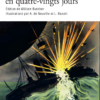
Gargantua
Gargantua Book Description
Gargantua, written by François Rabelais, is a masterpiece of French literature that blends humor, satire, and philosophical inquiry. The story follows the birth and upbringing of Gargantua, a giant born from his mother’s ear, as he grows into a powerful figure with a thirst for knowledge and adventure. Alongside his son Pantagruel, Gargantua embarks on a series of epic journeys, facing formidable enemies and liberating oppressed people. This narrative is rich in parody, drawing from the traditions of chivalric romances while subverting their conventions.
The novel is a celebration of humanism, challenging the norms of its time through its bold and irreverent style. Rabelais uses a variety of characters, including philosophers, monks, and tyrants, to explore themes of freedom, knowledge, and the human condition. The text is filled with vivid imagery, playful language, and a unique blend of satire and allegory that has captivated readers for centuries.
Key Features of Gargantua
Gargantua is a landmark in the history of literature, known for its innovative narrative structure and rich symbolism. The work is written in a highly stylized and humorous tone, often employing grotesque and exaggerated descriptions to convey its messages. Rabelais’s use of language is both inventive and provocative, making the text a fascinating study of linguistic creativity.
The novel is also notable for its exploration of social and political issues, offering a critique of the feudal system and the Church. Through the adventures of Gargantua and Pantagruel, Rabelais presents a vision of an ideal society that values reason, freedom, and human dignity. The text is filled with references to classical literature and mythology, adding layers of meaning to the narrative.
Why Read This Book?
Reading Gargantua offers a unique opportunity to engage with one of the most important works of the Renaissance. The novel’s blend of humor, satire, and philosophical depth makes it both entertaining and thought-provoking. Its exploration of human nature and society continues to resonate with readers today, making it a timeless classic.
The work’s rich language and imaginative storytelling invite readers to delve into the world of Gargantua and Pantagruel, where the boundaries between reality and fantasy blur. Whether you are a student of literature or simply a lover of great storytelling, Gargantua is a must-read. Its enduring legacy is a testament to Rabelais’s genius and the power of literature to challenge and inspire.
About This Book
Gargantua, published in 1535, is the first part of Rabelais’s epic series, which includes Pantagruel. The novel is a landmark in the development of the modern novel, combining elements of satire, fantasy, and philosophical inquiry. It remains a cornerstone of French literature and a vital part of the literary canon. This edition provides a comprehensive and accessible version of Rabelais’s work, ensuring that readers can experience the full richness of this remarkable text.
Only logged in customers who have purchased this product may leave a review.
Product Related
Out of stock

Out of stock

Out of stock
EGP135.00
Reviews
There are no reviews yet.