

Gaza Faces History
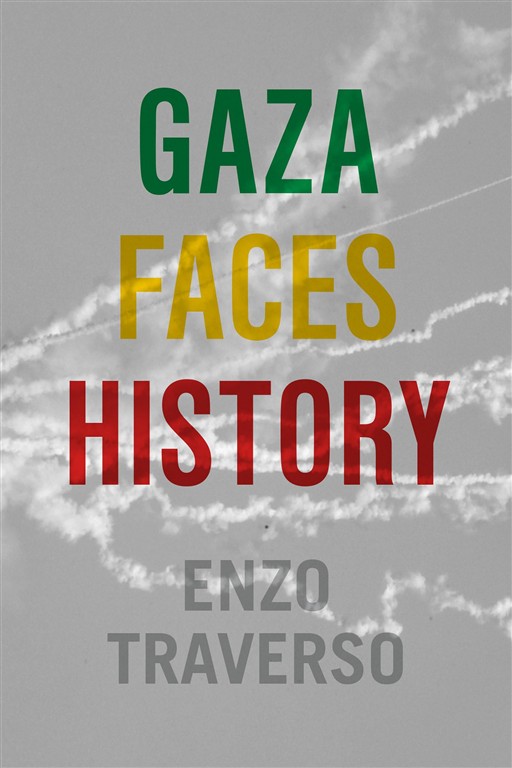


Gaza Faces History
EGP1,045.00
In this urgent, insightful essay, a respected historian places the Israeli-Palestinian war in context, challenging Western attitudes about the region.
Is the destruction of Gaza only a consequence of the October 7, 2023 attack, or is it also the outcome of a long process of dispossession and eradication? Do Palestinians have the right to resist the occupation? Is talking about genocide anti-Semitism? Enzo Traverso goes to the root of the Israeli–Palestinian conflict by calling history into question and offers a critical interpretation that overturns the one-sided perspective from which we have become accustomed to observing what is happening in Gaza.
Israel is usually described as a democratic island in the middle of an obscurantist ocean, and Hamas as a movement inspired by bloodthirsty fanaticism. The destruction of Gaza is reminiscent of the golden age of colonialism, when the West perpetrated genocides in Asia and Africa in the name of its civilizing mission. Its essential assumptions remain the same: civilization versus barbarism, progress versus intolerance. Alongside the ritual statements about Israel’s right to defend itself, no one ever mentions the Palestinians’ right to resist decades-long aggression. But if a genocidal war is unleashed in the name of fighting anti-Semitism, it is our own ethical values and political norms that are tarnished: the assumptions of our moral conscience—the distinction between oppressor and oppressed, perpetrators and victims—risk being turned upside down. The October 7 attack was terrifying, but it must be analyzed and not just condemned. And we must do so by summoning all the critical tools of historical research. Should the war in Gaza end in a second Nakba, Israel’s legitimacy will be permanently compromised. In that case, neither American weapons nor Western media, nor the distorted and outraged memory of the Holocaust will be able to redeem it.
4 in stock
Gaza Faces History
Gaza Faces History Book Description
Gaza Faces History is an urgent English essay that invites readers to rethink the Israeli‑Palestinian conflict. Historian Enzo Traverso places the war in a long‑term context, asking whether the devastation of Gaza stems only from the October 7, 2023 attack or from decades of dispossession. He also probes the right of Palestinians to resist occupation and the fine line between discussing genocide and committing anti‑Semitism. Throughout, Traverso challenges the one‑sided narratives that dominate Western media and offers a fresh, critical perspective.
Readers will discover how the destruction of Gaza mirrors colonial‑era atrocities once justified as civilising missions. The book highlights the persistent dichotomy of “civilisation versus barbarism” and “progress versus intolerance.” Meanwhile, it points out that statements defending Israel’s right to self‑defence often ignore the Palestinians’ right to resist prolonged aggression. Therefore, the essay urges a deeper moral reflection on who is oppressor and who is victim.
The story examines the October 7 attack not merely as a terrifying event but as a catalyst for rigorous historical analysis. Fans of thoughtful political essays will appreciate the use of critical research tools to unpack the conflict’s roots. Additionally, Traverso argues that a second Nakba could permanently damage Israel’s legitimacy, regardless of military strength or media narratives. This warning underscores the urgent need for balanced dialogue.
Key Features of Gaza Faces History
Inside Gaza Faces History, readers find a clear layout that separates factual chronology from interpretive commentary. Each chapter begins with concise summaries, making complex history accessible to a broad audience. Moreover, the author weaves personal accounts with archival evidence, helping readers connect emotionally with the material. The book also includes a glossary of key terms, which enhances understanding for those new to Middle‑East studies. Throughout, Traverso maintains an active voice that keeps the narrative engaging and easy to follow.
Furthermore, the essay provides comparative insights by linking Gaza’s plight to historic colonial practices in Asia and Africa. This broader lens helps readers see recurring patterns of domination and resistance. The text also challenges readers to question commonly accepted “democratic island” portrayals of Israel, encouraging a more nuanced view of the region’s politics. As a result, the book serves both as an academic resource and a compelling read for general audiences.
Why Read This Book?
Readers can benefit from Travers’ balanced approach, which respects the complexity of the conflict while demanding accountability. The book’s concise chapters make it easy to digest, and the frequent use of transition words guides the reader smoothly from one idea to the next. Because the author avoids jargon, the work is suitable for high‑school students, university scholars, and anyone interested in current affairs. Moreover, the book’s critical stance encourages informed discussion, helping readers form their own opinions rather than accepting biased narratives.
Many readers will appreciate the ethical questions the essay raises about warfare, memory, and moral responsibility. By confronting uncomfortable truths, Gaza Faces History empowers its audience to engage more thoughtfully with news and policy debates. The reading experience is both enlightening and emotionally resonant, offering a rare combination of scholarly rigor and human storytelling.
About This Book
Gaza Faces History is available now at Kalimat Bookstore Online. For more details about the author and reader reviews, visit the Goodreads page. Discover additional English titles by exploring our collection of best English books. This compelling essay promises to deepen your understanding of one of today’s most pressing conflicts.
| Author |
|---|
Only logged in customers who have purchased this product may leave a review.
Product Related

EGP495.00

EGP525.00

EGP605.00

Out of stock
EGP550.00
Reviews
There are no reviews yet.