

Good Habits, Bad Habits
Good Habits, Bad Habits
EGP780.00
Book Summary
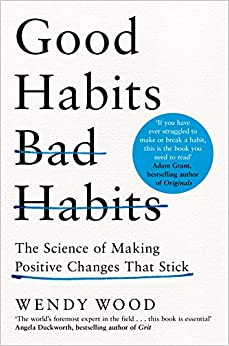
| Shockingly, we spend nearly half our day repeating things we’ve done in the past without thinking about them. How we respond to the people around us; the way we conduct ourselves in meetings; what we buy; when and how we exercise, eat and drink – a truly remarkable number of things we do every day, we do by habit. And yet, whenever we want to change something about ourselves, we rely on willpower alone. We hope that our determination and intention will be enough to effect positive change. And that is why almost all of us fail. Professor Wendy Wood is the world’s foremost expert on habits. By drawing on three decades of original research, she explains the fascinating science of how we form habits and provides the key to unlocking our habitual mind in order to make the changes we seek. Combining a potent mix of neuroscience, case studies and experiments conducted in her lab, Good Habits, Bad Habits is a comprehensive, accessible and highly practical book that will change the way you think about almost every aspect of your life. |
- Language:English
Paperback: 320 pages
ISBN-10: 1509864768
ISBN-13: 9781509864768
Genre: Social Sciences - Condition: New
10 in stock
Good Habits, Bad Habits
Good Habits, Bad Habits Book Description
Readers will discover that almost half of our day is spent on autopilot. We answer emails, shop, exercise, and even sip coffee without thinking. This book shows why willpower alone rarely works when we try to change. Professor Wendy Wood, the world’s leading habit scientist, draws on thirty years of research to explain how habits form and how we can re‑wire them. Inside, you will find a clear mix of neuroscience, real‑world case studies, and lab experiments. The guide is practical, accessible, and designed to help you reshape daily routines for lasting success.
Throughout the chapters, the author breaks down complex ideas into simple steps. Readers can learn why cues trigger actions and how rewards reinforce behavior. Moreover, you will see how small tweaks in environment can produce big results. The book does not rely on jargon; instead, it uses everyday language that anyone can follow. Consequently, you will feel confident applying the science to your own life, whether you aim to eat healthier, work more efficiently, or build a new skill.
Fans of self‑improvement will enjoy the blend of stories and data. Each section presents a relatable example—such as how a coffee habit starts, persists, and can be altered. Additionally, the author offers actionable tools, like habit‑stacking and implementation intentions, that are easy to try immediately. Meanwhile, the research findings are presented in a narrative style that keeps the reading experience engaging and enjoyable.
Key Features of Good Habits, Bad Habits
The guide includes a step‑by‑step framework for habit change. Readers will learn to identify triggers, redesign cues, and replace unwanted actions with positive ones. Furthermore, the book provides printable worksheets that help track progress and maintain motivation. Inside, you also find concise summaries at the end of each chapter, making it simple to review key points.
Another highlight is the emphasis on environmental design. The author explains how small changes—like moving a snack out of sight—can reduce temptation. Additionally, the text offers scientific explanations that are easy to understand, avoiding dense academic language. This balance of theory and practice makes the book a valuable resource for both beginners and those familiar with habit psychology.
Why Read This Book?
Many readers struggle with change because they rely on sheer willpower. This book reveals a smarter approach that leverages the brain’s natural wiring. Because the strategies are backed by decades of research, you can trust the advice to be both effective and reliable. Moreover, the practical exercises let you see results quickly, boosting confidence and encouraging further growth.
Readers will also appreciate the author’s engaging storytelling. Each habit example feels personal, helping you see how the principles apply to your own life. The book’s tone is supportive rather than demanding, which reduces the pressure often felt during self‑help journeys. Therefore, it feels like a friendly coach guiding you toward better habits.
About This Book
Good Habits, Bad Habits is a 320‑page paperback published in English. It falls under the Social Sciences genre and is brand new. ISBN‑10: 1509864768; ISBN‑13: 9781509864768. For more detail about the book and author, you can check this Goodreads link. Also, discover the Best English Books Online in our store through this store link. This book will change how you think about daily actions and give you the tools to create lasting, positive change.
| Author |
|---|
Only logged in customers who have purchased this product may leave a review.
Product Related

EGP830.00
EGP680.00

Out of stock
EGP665.00
Reviews
There are no reviews yet.