

Japanese Connections: The Birth of Modern Decor
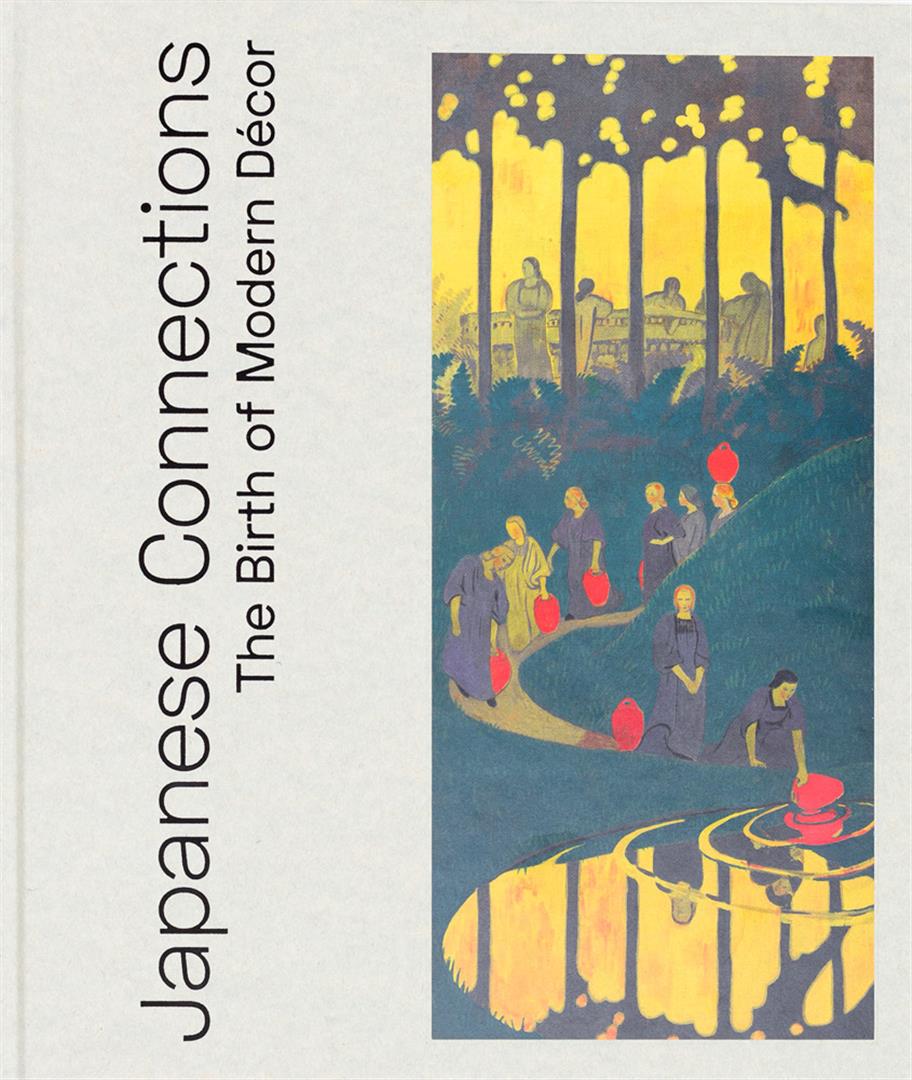


Japanese Connections: The Birth of Modern Decor
EGP2,930.00
How the 19th-century fashion for Japonisme transformed European art and culture
Starting in the 1860s, a partiality for Japanese culture emerged in France, followed by England, which was to continue for almost 50 years. Giving rise to the fashion for “Japonisme,” it followed on from the taste for “chinoiserie” that was in vogue in the courts of Europe at the end of the 18th century, and that had fascinated several generations of Romantic artists during the first half of the 19th century. Most of the innovative artists collected these prints and were influenced by the themes specific to ukiyo-e, such as the seasons and climatic conditions. Hokusai, Hiroshige and Utamaro, woodblock print artists who were little thought of in Japan due to the “lightness” of their works, were considered masters in France. Their influence, combined with that of photography and scientific discoveries relating to matter, had a profound effect on how the world and academic certainties based on unchanging principles were viewed. The aesthetic revolution initiated by the Impressionists was pursued by artists such as Van Gogh and Gauguin, who both succumbed to the appeal of Japonisme and took up the formal simplification and bright colors of woodblock prints. The artistic exploration of such artists was to lead to the overturning of visual representation, of which the Nabis were direct heirs.
5 in stock
Japanese Connections: The Birth of Modern Decor
Japanese Connections: The Birth of Modern Decor Book Description
Japanese Connections: The Birth of Modern Decor invites readers to explore the vibrant world of 19th‑century Japonisme. This English‑language volume, sold by Kalimat Bookstore Online, shows how a fascination with Japanese art reshaped European design, painting, and interior style. Readers will travel from the 1860s to today and discover why these influences still shape modern décor trends.
Inside the narrative, the author explains how French and English artists first encountered ukiyo‑e prints. The story reveals why Hokusai, Hiroshige, and Utamaro became household names in Paris salons. Moreover, photographers and scientists of the era helped push aesthetic boundaries toward lighter, more experimental forms. Vivid illustrations accompany each chapter, letting readers see direct links between Japanese woodblocks and Impressionist colour palettes.
Fans of art history will appreciate the detailed look at how the Impressionists, especially Van Gogh and Gauguin, borrowed Japanese compositional tricks. Meanwhile, the book shows how these innovators inspired the Nabis and set the stage for modern decorative concepts. Additionally, the text places Japonisme within the broader craze for chinoiserie, highlighting it as an evolution rather than an isolated fad.
Key Features of Japanese Connections: The Birth of Modern Decor
Each chapter blends scholarly insight with vivid storytelling, making complex ideas easy to follow. The guide features more than 150 high‑quality images that illustrate the transition from Japanese woodcuts to European décor motifs. Furthermore, concise sections let readers absorb information without feeling overwhelmed. Also, sidebars provide quick facts about key artists, designers, and scientific advances that shaped the movement.
Readers will learn how decorative trends traveled across borders and how those exchanges still influence contemporary interiors. The book includes timelines that track major exhibitions, publications, and market developments. Moreover, it offers practical tips for designers who wish to incorporate Japonisme‑inspired elements into modern spaces.
Why Read This Book?
Readers can discover how a simple love for foreign prints sparked a visual revolution. The story is told in clear, engaging language, helping both novices and experts follow the narrative. Because the book connects art, science, and design, it serves anyone interested in interior décor, museum studies, or cultural history. Additionally, the concise chapters encourage deep appreciation of today’s design trends without demanding extensive prior knowledge.
Many readers find the blend of academic research and lively anecdotes enriches their understanding of modern décor origins. Therefore, whether you are a student, a designer, or simply curious about the past, this book offers valuable perspectives that will enhance your creative outlook.
About This Book
For more details about Japanese Connections: The Birth of Modern Decor and its author, visit the Goodreads page. You can also explore other top English titles in our store through the English Books collection.
| Author |
|---|
Only logged in customers who have purchased this product may leave a review.
Product Related

Out of stock
EGP245.00

Out of stock
EGP560.00

Out of stock
EGP325.00

Out of stock
EGP670.00
Reviews
There are no reviews yet.